
The Future of Renewable Energy in Nigeria: Opportunities for Entrepreneurs
Get Started
Call to action to contact for a consultation
Tel: (+234) 8023200801, (+234) 8075765799
Email: info@qeeva.com
Office Address: 5, Ishola Bello Close, Off Iyalla Street, Alausa, Ikeja, Lagos Nigeria.

Overview
Possibilities of renewable energy in Nigeria abode Nigeria which is seen as the largest economy within the African region there is a great potential in the use of renewable energy. This has meant that the country is gradually moving from dependence on fossil fuels in energy generation as it seeks to be in a Better Energy Place. The Nigerian environment is thus ripe for investment by foreign entrepreneurs in the renewable energy sub-sector which is underpinned by a favorable legal regime for investment in the sector.
Layout of market segment of renewable energy in Nigeria
Government Supporting Schemes
The Nigerian government launched several measures and programs in the field of renewable energy. RECCM, the Renewable Energy Master Plan highlights the approach that will be used by the country to enhance use of renewable energy sources in energy mix. In the National Energy Policy that was launched in 2008 and for which the current government has shown commitment seeks to addresses the use of renewable energy including the solar, wind, hydro and biomass power.
Opportunities for Entrepreneurs
Opportunities exist in Nigeria renewable energy industry particularly for the foreign investors. This includes funding in solar electricity, wind electricity, small hydro power and bio electricity. Nigeria currently provides different opportunities for investors such as tax incentives, exclusion of duties on imported equipment for renewable energy and special tariffs for power producers in Nigeria.
Legal Reforms Strengthening the Investment In Renewable Energy
The Companies and Allied Matters Act (CAMA)
By the use of CAMA, the foreign investors are free to undertake business ventures in Nigeria with the aim of delving into renewable energy business. CAMA offer legal framework for the establishment, management, regulation and operation of companies. The relevant sections of CAMA that apply to foreign investors include:
S.20: This section sets minimum amount of share capital for companies, to compel foreign investors provide necessary amount of fund.
Section 78: This section highlights the procedure for the incorporation of a company in Nigeria and more so the procedure for companies that are being owned by a foreign investor.
Section 80: This section provides the responsibilities of the foreign company with operation in Nigeria to conform to the local laws.
Electrical power sector reform acts (EPSRA)
Another important law which regulates electricity sector in Nigeria is the EPSRA. This acts as the legal basis for the restructuring of the power sector and openness to the participation of the private players including in renewable energy. It also introduces the Nigerian Electricity Regulatory Commission (NERC) that is responsible for governance of renewable energy projects’ licensing and tariffs.
Increasing Nigeria’s Foreign Exchange Earnings from Non-Oil Export through Implementation of Nigerian Investment Promotion Commission Act (NIPCA)
Through the regulation of foreign investments, the NIPCA assumes a central in encouraging the foreign investment in Nigeria. The Act safeguards the interest of the foreign investor and that his investments shall not be wronged. Tax incentives are other strings attached with it, which include tax reliefs and protection against expropriation.
Challenges and Considerations
Regulatory Challenges
The legal structure of Nigeria is slightly favorable for foreign entrants, they are faced with the hurdle of some regulations, which may be in the form of the procedural hurdles when seeking licenses and permits among others. Some of these challenges include Understanding local regulations, putting measures such as partnering with reputable local firms.
System Infrastructure & Market Preparedness
Some of the infrastructures in Nigeria especially the rural areas can also be a challenge when investing in renewable energy projects. This is equally an opportunity to legitimately entrench business interests off-grid solutions that are equally efficient in providing electricity to the society.
Strategic Investment Opportunities
Solar Energy
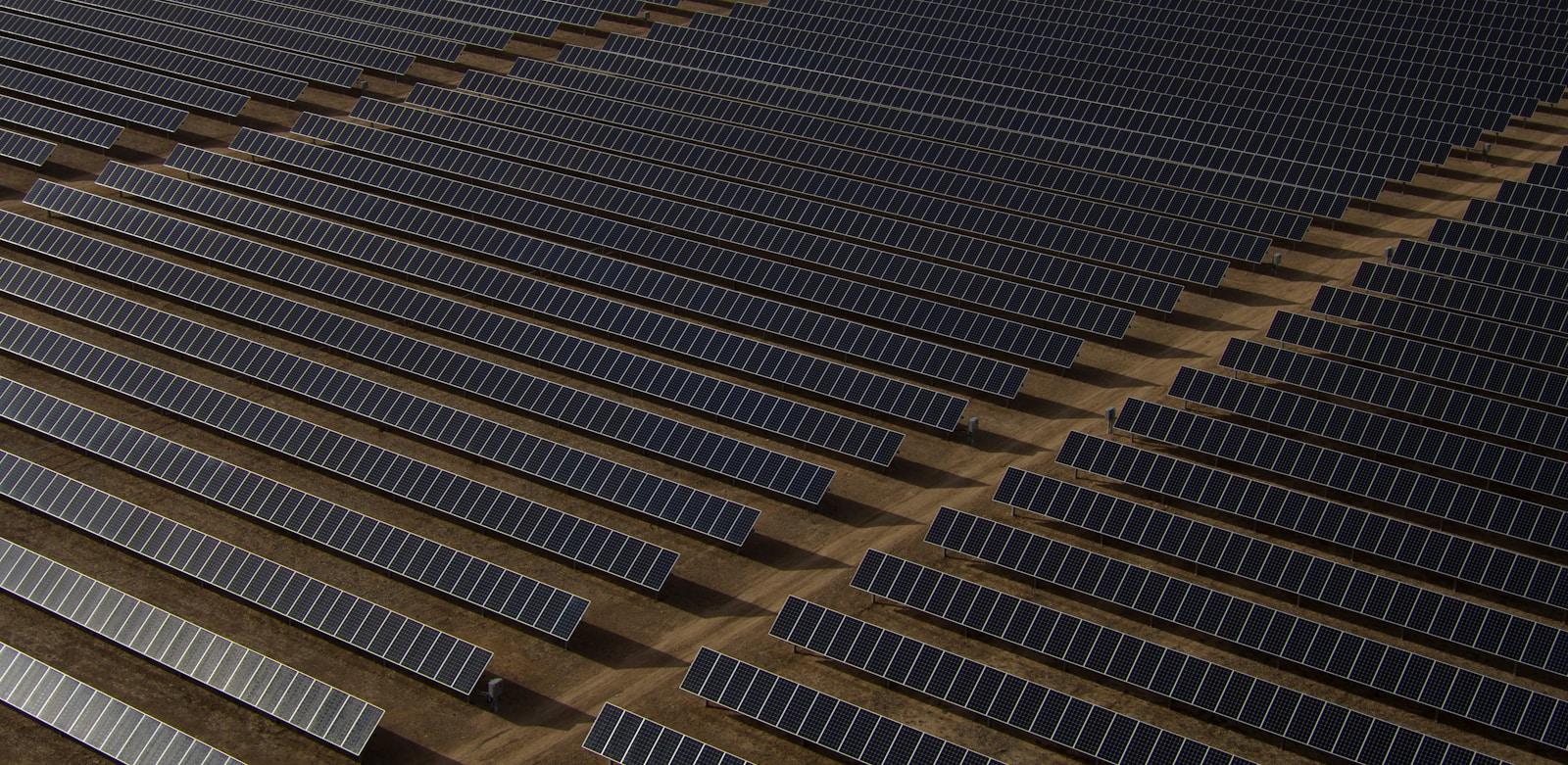
Solar energy in Nigeria emerges as one of the bright investments sectors. Nigeria receives maximal level of solar radiation throughout the year and has the capability of producing high yields of solar energy. Foreign players can invest in large solar power plants or opt for distributed solar system to provide power to the rural areas. Such policy incentives such as the removal of import duty for some of the solar equipment also contribute to the attractiveness of this sector.
Wind Energy
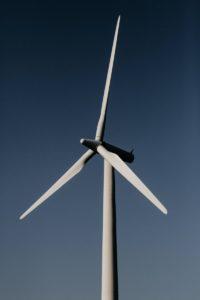
Another type of renewable energy and still at the emerging phase is Wind Energy which has the prospects especially in the Northern parts of Nigeria since it is known to have adequate wind resource. The government continues to research the locations with potential wind resources and the development of wind farms creating room for early entry to this market.
Hydropower
Nigeria boosts great river systems with great indications of both huge and little hydropower potential. This has led to concentration on extensive hydropower plants but recently there is a growing concern with small and mini hydropower projects for generation to remote circuits. These projects should be implemented through partnerships between foreign investors, the communities and the government.
Bioenergy and Waste-to-Energy
Nigeria relies more on agriculture to feed its population; the country has significant biomass production that can be transformed to energy. Plantation of bioenergy like installation of biogas plants and waste to energy plant and financial investment in them are also developing. Even as they are able to generate clean renewable energy, they too are able to solve the problem of waste management in cities.
Navigating the Investment Process
Corporate Formation and Organization under CAMA
To venture in renewable energy in Nigeria the foreign investor needs to register a company in accordance with the provisions of CAMA. This process involves:
Company Registration: According to section 78 of CAMA, any business involving a foreign personality should be registered by the corporate Affairs Commission. This registration involves declaring the type of business you intend to undertake for the generation of renewable energy and ensuring that the business meets the minimum share capital as provided under Section 20.
Compliance with Local Content Requirements:
Section 80 CAMA makes provision to the effect that every foreign company operating in Nigeria shall be subject to the Local content provisions mandatory to either partner with a Nigerian company or employ Nigeria people within their firm up to a stipulated percentage.
Getting the Licenses and Permits
Various licenses and permits are necessary for development of renewable energy projects and these are granted under the provision of the EPSRA by the Nigerian Electricity Regulatory Commission (NERC). Foreign entrepreneurs must:
Obtain Generation Licenses: The generation licenses are required depending on the size of the project for generation and sale of electricity.
Adhere to Environmental Regulations: There are also certain legal requirements that renewable energy projects have to fulfill among which is the environmental impact assessment EIA, to ensure that the projects being implemented are sustainable and environmentally responsible.
How to Get to the Incentives and Funding
The Nigerian government through the Nigerian Investment Promotion Commission (NIPC) and other related agencies encourages foreign investors in renewable energy through incentive. These include:
Tax Holidays and Incentives: It should be noted that under the NIPCA, the pioneer status incentives which would grant foreign investors a tax holidays in the first years of operation may be of interest.
Access to Finance: International credit entities of international and regional development banks, local banks, and regular programs of governments of foreign investors that support renewable energy projects.

Conclusion
Nigeria’s renewable power infrastructure is on the precipice of a tremendous growth, which creates a lot of opportunities for foreign investors. It shows that many resources are available, government policies are friendly and due to emerging technology more demand for renewable energy is seen. But to succeed in this market, first, one needs to develop a comprehensive understanding of the jurisdictions’ legal and regulatory environment and, secondly, one needs to build strong partnerships with local stakeholders.
Call-to-action
Any foreigner who intends to invest in the renewable energy market in Nigeria is advised to conduct a feasibility study and seek help from the specialists in the field. When entering the Nigerian market the decision to register a business under the CAMA and to consider the incentives coming from the Nigerian government will help in building a long term sustainable business in this continuously developing economy. The period to invest in Nigeria’s Renewable energy is now.
The foreign investors who would love to invest in Nigeria renewed energy sector should be prepared to do so now. Start by incorporating your company under CAMA. Obtain the relevant licenses and expanded opportunities in the use of solar, wind, hydro and bio energies. Interact with local communities, tap into incentives offered by the government and ready to be among the market pioneers of Nigeria’s shift towards renewable energy.
Tel: (+234) 802 320 0801, (+234) 807 576 5799
Email: info@qeeva.com
Office Address: 5, Ishola Bello Close, Iyalla Off Street, Alausa, Ikeja, Lagos, Nigeria
Inquiry Contact Form