
How to Set Up a Fruit Juice Factory in
Nigeria
Introduction
Juice processing is one of the most effective ways to reduce post-harvest losses. When you process fruits into juice, you extend their shelf life, reduce waste, and give farmers more ways to earn. It also creates jobs in farming, logistics, packaging, and retail. For many fruits that spoil quickly, turning them into juice is the best way to preserve their value.
Today, more Nigerian consumers want juice that is not only sweet but also clean, safe, and truly made from real fruit. They are checking labels. They are asking questions about sugar content, preservatives, and where the juice comes from. There is strong interest in juices with no additives, minimal processing, and natural flavors. Retailers are also looking for local brands that can meet supermarket standards in terms of packaging, hygiene, and consistency.
For investors, this market presents a real chance to enter agro-processing without the long wait of plantation farming. A juice factory does not require owning vast farmland. You can source fruits from multiple farmers. What matters is having a clear plan, quality control, the right machines, and proper licenses. The capital requirement is reasonable, and the market demand is already in place.
If you want to build a business that is practical, useful, and connected to local value chains, setting up a fruit juice factory is one of the most straightforward and profitable ways to start.
Market Landscape
In Nigeria today, many consumers are moving away from sugary carbonated drinks and are now buying more fruit juice. They want products that are healthier, more natural, and made with real ingredients. For many people, drinking juice has become part of a wellness routine, not just a way to quench thirst.
This change in taste has opened new space in the market for juice products. However, most of the juice found in shops is either imported or made from concentrates that are not locally produced. Many of these products come with added sugars, synthetic flavors, and preservatives. Some brands even mislabel their products or use very low fruit content while claiming to be 100 percent juice. This creates confusion in the market and makes it harder for consumers to trust what they are buying.
Another challenge is packaging. Many local juice brands struggle with proper sealing, hygiene, and shelf stability. Poorly packaged juice spoils easily, leaks during transport, or loses taste quickly. This affects shelf life, causes loss of revenue, and damages the reputation of local producers. Meanwhile, imported brands continue to dominate premium shelf space, mainly because they are well packaged and appear safer.
Market Opportunity
There is a clear and growing opportunity for fruit juice production in Nigeria, especially for factories that can produce clean, safe, and properly packaged juice. One of the biggest gaps in the Nigerian market today is that most fruit juice brands; even local ones; still rely on imported concentrates. These concentrates are often purchased in drums or powdered form and then mixed with water, sugar, and additives before being packaged and sold as juice. Nigeria produces millions of tonnes of fruits annually, yet a large part of the juice industry depends on foreign raw materials. This imbalance presents a strong opportunity for import substitution.
If more investors begin to process fresh fruits into juice locally, the country can reduce imports, support fruit farmers, and retain more value within the economy. In addition to the local market, there is growing interest in Nigerian juice products from outside the country. Countries in the ECOWAS region often import fruit juice from Europe or Asia, even though Nigeria is closer and has the fruits. With the right quality, packaging, and documentation, Nigerian juice brands can serve neighboring countries at a competitive price. There is also consistent demand from the Nigerian diaspora in Europe, North America, and the Middle East; especially for juices made from native fruits like zobo, cashew, sour-sop, or natural pineapple blends. These buyers prefer products that feel familiar, are genuinely Nigerian, and are processed under clean conditions.
In summary, demand is strong, both locally and internationally. But supply is weak when it comes to clean, safe, and well-packaged fruit juice. Investors who can build factories that meet these expectations are well positioned to enter a market that is large, growing, and currently underserved.
Industry Overview
The fruit juice industry in Nigeria is part of the larger food and beverage sector, which remains one of the fastest-growing segments of the economy. As incomes rise and awareness of healthy lifestyles increases, more Nigerians are shifting from sugary carbonated drinks to natural fruit-based beverages. This shift has created a strong and growing demand for juice products that are fresh, nutritious, and locally produced.
The industry includes a mix of large multinational companies, local brands, and informal cottage-level processors. While the big players dominate urban supermarkets and formal retail channels, there is still room for new entrants; especially those offering healthier, more affordable, or uniquely flavored options tailored to Nigerian tastes.
Overall, the fruit juice industry presents strong potential for value addition, job creation, foreign exchange earnings, and improved nutrition outcomes. Investors who can ensure consistent supply, product quality, and market reach stand a good chance of building a sustainable and profitable business.
Types of Fruit Juice
- Single Fruit Juice
Juice made from one type of fruit such as;
- Orange juice
- Apple juice
- Pineapple juice
- Grape juice
- Mango juice
- Watermelon juice
- Pomegranate juice
- Mixed Fruit Juice (Blends)
Juices made by combining two or more fruit juices.
- Tropical fruit blend (e.g., mango, pineapple, passion fruit)
- Berry blends (e.g., strawberry, blueberry, raspberry)
- Citrus blends (e.g., orange, lemon, grapefruit)
- Concentrated Juice
Juice with most water removed to reduce volume and preserve it.
- Frozen concentrated orange juice (FCOJ)
- Concentrated apple juice
- Not-from-Concentrate (NFC) Juice
Juice that is pasteurized but not concentrated, closer to fresh juice taste.
- Juice with Pulp
Juices that retain some fruit fiber, adding texture and nutritional value.
- Orange juice with pulp
- Mango juice with pulp
- Cold-Pressed Juice
Extracted using hydraulic press without heat, preserving nutrients and fresh taste.
- Organic Fruit Juice
Juices made from organically grown fruits, without synthetic pesticides or fertilizers.
- Fortified or Functional Juices
Juices enhanced with vitamins, minerals, or added nutrients (e.g., vitamin C fortified, calcium-enriched).
Types of Juice Processing Operations
Before setting up a fruit juice factory, it is important to understand the different ways juice can be processed. Choosing the right model from the beginning helps you avoid waste, manage your production costs, and meet your customers’ expectations. Below are the main juice processing models in use today:
- Fresh Juice Production
This method involves extracting juice directly from fresh fruits and bottling it with little or no additives. It often avoids the use of preservatives or artificial sweeteners. Because the juice is not heat-treated, it retains more of its natural flavor, nutrients, and color.
- Pasteurized Juice Production
Pasteurization involves heating the juice to a specific temperature for a short time to kill bacteria and extend shelf life. This allows the juice to be stored at room temperature for several months without refrigeration, provided it is sealed properly.
- Reconstituted Juice from Concentrate
This model involves importing or producing fruit juice concentrate, which is a thick syrup made by removing most of the water from the juice. During production, the concentrate is mixed with clean water, sweeteners, flavor enhancers, and sometimes vitamins. The result is then bottled, pasteurized, and sealed.
- Nectar and Fruit Drink Production
Fruit drinks and nectars are not 100 percent juice, instead, they contain a small percentage of real fruit juice mixed with water, sugar, citric acid, and flavoring agents. Most commercial fruit drinks in Nigeria fall into this category. These products are usually affordable and targeted at price-sensitive consumers.
- Juice Concentrate Production
Instead of importing concentrate, some processors now focus on producing juice concentrate locally using surplus fruits. This requires evaporators and concentration systems, which are more advanced and capital-intensive. However, the concentrate can be sold to other juice producers, bakeries, beverage companies, and exporters.
- Cold-Pressed or High-Pressure Processed (HPP) Juice
This is a premium juice production method that involves pressing fruits slowly to extract juice without heat. In some cases, High Pressure Processing (HPP) is used to extend shelf life without using heat or chemicals. These juices are sold as raw, organic, or wellness drinks.

Choosing your Niche
Choosing a niche is not just about picking a product. It is about aligning your investment with where you can make the best impact and returns based on facts, not assumptions.
Every niche in juice production has its own capital needs, customer expectations, and growth paths. The question is not which niche is “better.” The real question is: Which one fits your resources, your market access, and your long-term plan?
Below is a breakdown to help investors decide:
If your priority is quick entry with limited capital…
Then fruit drinks for the mass market may be the best starting point. You can begin with a sachet or small bottle line targeting schools, vendors, and low-cost retail. This niche allows you to move volume at scale, and you do not need expensive cold storage or premium branding. It is a good model for building factory experience and cash flow.
If your goal is to serve high-end consumers and build a premium brand
Then natural, cold-pressed, or organic juice could be your niche. This market is not driven by price. It is driven by trust, product purity, and lifestyle value. If you are focused on wellness markets, spas, gyms, and urban health stores, this is a smart direction. The volumes may be small, but the margins are high, and brand loyalty can grow fast.
If you want stable revenue and predictable supply deals…
Then focus on institutional supply. Schools, hospitals, hotels, airlines, and caterers are often underserved and want clean, reliable juice at fixed prices. Once you pass their quality tests, they stick with you. This niche does not require heavy retail branding, and payment cycles are often steady.
If your strength is in technical operations and partnerships
Then contract packaging for other brands may be the best fit. Many entrepreneurs have juice brands but no factory. If you provide production services to them, you avoid the cost of sales and marketing. You focus on operations, and they focus on distribution.
If your long-term goal is regional or international trade
Then consider export-grade juice or concentrate production. You will need strong quality control, packaging suited for shipping, and compliance with export standards. But the demand is real; especially from West African neighbors and diaspora buyers.
Our Advisory
At Qeeva Advisory, we guide you to start in a focused and manageable way, based on what you have, what the market is asking for, and what can realistically grow over time.
We do not advise our clients to start by trying to serve every type of customer or produce every type of juice, instead, we advise investors to choose one clearly defined niche that aligns with the following four key areas which are:
- Raw Material Access
- Target Market and Distribution Potential
- Available Capital and Operational Capacity
- Scalability and Long-Term Growth
We do not offer general advice. We give project-specific guidance based on your location, your goals, and your financial capacity.
Whether you are starting from scratch or looking to improve an existing operation, we support you with:
- Market validation and feasibility studies
- Business plan development tailored to your chosen niche
- Equipment selection and plant layout planning
- Licensing and regulatory approvals
- Operational planning and go-to-market strategies
Choosing your niche is not a creative exercise; it is a strategic decision that will shape the success or failure of your business.
Business Model and Processing Strategy
- Raw Fruit Sourcing
- Establish reliable supply chains by sourcing raw fruits either directly from local farmers or through aggregators who collect from multiple smallholders.
- Prioritize fruits that are fresh, ripe, and of high quality to ensure superior juice taste and shelf life.
- Consider seasonal availability and maintain relationships with multiple suppliers to reduce risks of supply shortages.
- Processing Steps
- Sorting: Remove damaged, overripe, or unripe fruits to ensure only quality raw materials enter the production line.
- Washing: Thoroughly clean fruits to eliminate dirt, pesticides, and microbes.
- Extraction: Extract juice via mechanical pressing, cold pressing, or centrifugal methods depending on fruit type and desired juice quality.
- Pasteurization: Heat treatment to kill harmful microorganisms, extending shelf life while preserving flavor.
- Filling and Sealing: Package juice in bottles, cartons, or pouches using hygienic filling and sealing machines to prevent contamination.
- Labeling: Apply branding and product information labels compliant with food regulations.
- Preservation and Packaging Technology
- For fresh juice with a short shelf life, maintain a strict cold chain (refrigerated storage and transport) from production to point of sale to preserve freshness and prevent spoilage.
- For juice that requires longer shelf life, utilize hot-fill processing where juice is filled into sterilized containers while hot, allowing ambient storage without refrigeration.
- Distribution and Sales Channels
- Develop a multi-channel sales strategy to reach consumers effectively:
- Partner with distributors who supply retail outlets.
- Directly supply retailers such as supermarkets, grocery stores, and convenience shops.
- Secure institutional contracts with schools, offices, airlines, or hotels for bulk supply.
- Consider online sales and delivery services to reach end customers directly.
Competition & Market Analysis
The fruit juice market in Nigeria is competitive but still growing. Demand for healthier and locally produced drinks continues to rise. Several local and international brands dominate the formal sector, while small-scale producers serve the informal market. Understanding the market structure helps identify gaps and position your product strategically.
Key Market Trends:
- Increased demand for natural, no-preservative juices
- Rising awareness of health and wellness among urban consumers
- Growth of convenience retail outlets and supermarkets in major cities
- Seasonal oversupply of fruits creates opportunities for low-cost sourcing
- Higher preference for locally made drinks due to price and cultural taste
Key Competitors:
- Chi Limited (Chi Exotic, Chivita 100%, Hollandia)
- Coca-Cola Nigeria (5 Alive)
- La Casera Company (Sosa Fruit Drink)
- Dansa Foods (Dansa Juice)
- Rite Foods Limited (Bigi Tropical Juice, Fearless Juice Blend)
- CWAY Nigeria (Nutri-Milk)
- Small and Medium-Scale Juice Brands (Just Juice, FreshYo Juice, Fruity Life, TamTam Juice)
- Imported Brands include; Ceres, Don Simon, Rani, Capri-Sun, Del Monte, Ocean Spray, Jumex, Tropicana.
Competitive Gaps & Opportunities:
- Most big brands use preservatives and concentrates
- Urban and peri-urban schools and hospitals are underserved by branded juice suppliers
- Few brands offer pulp-rich, locally tailored flavors such as zobo-pineapple or ginger-orange
- Direct-to-consumer sales through online and subscription models are still emerging
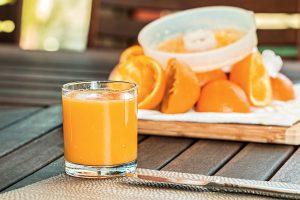
Estimated Cost Breakdown for Setting Up a Juice Factory
Setting up a fruit juice factory requires careful budgeting across several key areas. Below is an overview of the main cost components and their estimated ranges in Nigerian Naira (₦):
| Cost Component | Estimated Range (₦) |
| Land and Factory Construction | ₦40 million – ₦120 million |
| Machinery and Equipment | ₦70 million – ₦250 million |
| Power and Water Infrastructure | ₦20 million – ₦50 million |
| Regulatory Compliance and Licensing | ₦3 million – ₦8 million |
| Staffing and Training | ₦7 million – ₦15 million |
| Working Capital | ₦30 million – ₦90 million |
| Branding and Packaging Materials | ₦10 million – ₦25 million |
| Contingency and Advisory Support | ₦10 million – ₦30 million |
| Total Estimated Cost | ₦190 million – ₦588 million |
Disclaimer
The cost estimates provided are for general guidance only and are based on current market conditions. Actual costs may vary depending on location, supplier pricing, project scale, and other factors beyond our control. These figures should not be considered as a final budget or financial commitment. It is recommended to conduct a detailed feasibility study and obtain updated quotes before making any investment decisions. We do not guarantee the accuracy or completeness of the information and disclaim any liability for losses or damages arising from its use.
Step-by-Step Guide to Starting a Fruit Juice Business in Nigeria
Define your juice model (niche, packaging type, shelf life)
Conduct feasibility study and business plan
Secure suitable factory site with water access
Register business and obtain NAFDAC, SON, and other licenses
Purchase and install juice processing and packaging equipment
Hire and train food processing staff
Develop branding and packaging designs
Establish raw fruit supply chains
Begin pilot production and quality testing
Launch commercial production and distribution
Standard Layout for Fruit Juice Processing Plant
Raw Material Reception and Sorting Area
Washing and Blanching Section
Juice Extraction Unit (crushers, pulpers, hydraulic press)
Filtration and Pasteurization Unit
Mixing, Homogenization, and Flavoring Section
Bottling, Filling, and Capping Unit
Labeling and Packaging Line
Cold Storage/Finished Product Warehouse
Water Treatment and Waste Disposal Area
Quality Control Laboratory and Admin Block
Machinery and Equipment for Starting Fruit Juice Production
Fruit Washer and Sorter
Fruit Peeling and Cutting Machine
Juice Extractor / Pulper
Juice Filter / Clarifier
Pasteurizer / Heat Treatment Unit
Homogenizer
Filling Machine
Capping and Sealing Machine
Labeling Machine
Packaging Table or Shrink-Wrapping Unit
Cold Room / Refrigerated Storage (for fresh juice)
Water Treatment Unit
Power Generator
Quality Control Lab Equipment
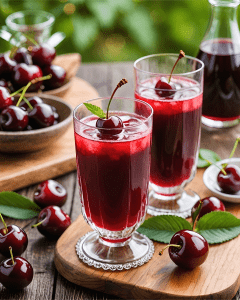
Revenue Model for a Fruit Juice Factory
A fruit juice factory can earn revenue through several channels, depending on its product range, target markets, and distribution strategy. Below is a breakdown of the main income sources and how they work:
- Retail Product Sales
This comes from selling bottled or packaged juice to retail outlets such as supermarkets, convenience stores, pharmacies, and mini-marts.
- Revenue is generated per unit sold (e.g., per bottle, per pack)
- You can offer multiple juice variants (mango, orange, pineapple, mixed blends)
- Products can be sold in different sizes (e.g., 250ml, 500ml, 1 litre) with varying price points
- Higher margins are possible through direct sales or online channels
- Bulk and Institutional Sales
Juice can be sold in bulk to schools, hotels, hospitals, restaurants, airlines, and corporate canteens. This model often involves larger order volumes at slightly lower prices but ensures steady demand.
- Revenue comes from volume-based contracts (e.g., weekly or monthly supply)
- Reliable payment cycles can help with cash flow planning
- White-Label or Contract Manufacturing
You can produce juice for other brands under private labeling agreements. These businesses provide their branding and packaging, while you handle the processing and filling.
- This model brings steady factory utilization and reduces your marketing costs
- Charges may include processing fees per litre, plus packaging and delivery
- Juice Concentrates or Pulp Sales
If your facility includes pulp processing, you can sell fruit concentrates or purees to other processors or bakeries, smoothie producers, and ice cream makers.
- This creates an additional income stream from fruit processing by-products
- Concentrates also store longer, allowing off-season sales
- Export Sales
Exporting bottled juices or fruit pulp to ECOWAS countries or diaspora markets can bring in foreign exchange and higher margins. However, this requires export certification and stable logistics.
- Revenue depends on export pricing and volume contracts
- High-quality packaging and NAFDAC, SON, and NAQS certifications are often required
- Event-Based and Seasonal Sales
Revenue can also come from temporary opportunities such as festivals, trade fairs, school events, and corporate gifts during festive seasons.
- This provides short-term revenue boosts and product visibility
- Custom packaging can attract bulk buyers during holidays
- Online and Direct-to-Consumer Sales
Selling directly through your website, social media platforms, or delivery apps allows you to reach health-conscious or premium consumers.
- Higher margins since you bypass distributors
- Requires a small fulfillment and delivery setup but increases brand control
Target Audience
The fruit juice factory serves a wide range of customers who value freshness, hygiene, affordability, and convenience. Below is a list of key target groups:
- Urban consumers and households
- Schools and educational institutions
- Hotels, restaurants, and catering services (HORECA)
- Hospitals and health clinics
- Retail distributors and supermarkets
- Export markets and diaspora retailers
- Corporate organizations and event planners
Step-by-Step Guide to Obtaining All Required Licenses and Permits for Setting Up a Fruit Juice Factory in Nigeria
The procedures to obtaining all the required licenses and permits for setting up a fruit juice factory in Nigeria from regulatory body in charge are as follows;
Corporate Affairs Commission (CAC)
Steps to Obtain:
• Visit: www.cac.gov.ng
• Search and reserve your proposed company name
• Complete the online registration form
• Submit:
✓ Company name with agro-processing objectives (e.g., “fruit juice production and processing”)
✓ Memorandum and Articles of Association
✓ Valid IDs and passport photographs of directors
✓ Registered business address
• Pay required stamp duty and registration fees
• Receive: Certificate of Incorporation and RC Number
National Agency for Food and Drug Administration and Control (NAFDAC)
Steps to Obtain:
• Visit: www.nafdac.gov.ng
• Apply under the “Food Product Registration” category (e.g., bottled fruit juice)
• Submit:
✓ CAC Incorporation Certificate
✓ Packaged product sample (final fruit juice product)
✓ Branded label showing weight, ingredients, production and expiry dates
✓ Evidence of facility ownership or lease agreement
✓ Pre-production inspection form
✓ NAFDAC product application form
• Facility will be inspected for hygiene, packaging practices, and pest control
• Pay inspection and registration fees
• Receive: NAFDAC Registration Number (mandatory for retailing and exporting food-grade juice)
Standards Organisation of Nigeria (SON)
Steps to Obtain:
• Visit: www.son.gov.ng
• Apply for MANCAP (Mandatory Conformity Assessment Programme)
• Submit:
✓ CAC Incorporation Documents
✓ Product sample of fruit juice
✓ Internal lab test results (or request SON laboratory testing)
✓ Documentation of production and packaging process
✓ Quality control or HACCP procedures
• SON team will inspect your plant and test product quality
• Pay required conformity assessment fee
• Receive: SON Product Certificate and Quality Mark (required for public sector supply, supermarkets, and exports)
National Agency for Quarantine Services (NAQS)
Steps to Obtain:
• Visit: www.naqs.gov.ng
• Register your factory and processing facility for quarantine clearance
• Submit:
✓ Product samples for phytosanitary inspection (to certify fruit and juice safety)
✓ CAC and NAFDAC certificates
✓ Import/export documents if applicable
• NAQS inspects and certifies products to prevent pests and diseases
• Pay inspection fees
• Receive: Quarantine clearance certificates (important for import/export and domestic safety compliance)
Nigerian Investment Promotion Commission (NIPC)
Steps to Obtain:
• Visit: www.nipc.gov.ng
• Register your business for investment incentives and protections
• Submit:
✓ CAC registration documents
✓ Business plan and project details
• Register to access investment facilitation services such as tax incentives, land acquisition assistance, and foreign exchange support
• Receive: NIPC Certificate of Registration (helps ease business operations and attract investment)
Federal Ministry of Agriculture and Rural Development (FMARD)
Steps to Obtain:
• Visit: www.fmard.gov.ng or approach your State Ministry of Agriculture or Agricultural Development Programme (ADP)
• Submit:
✓ CAC registration documents
✓ Description of your fruit juice production project
✓ Business plan (especially if seeking grants, seedlings, or technical support)
• Register as a licensed agro-processor or food processor
• Use registration to access:
✓ Extension support and technical training
✓ Fruit sourcing and aggregation programs
✓ Grants and donor-funded support programs
Raw Materials and Inputs Required
- Fresh fruits (pineapple, mango, orange, guava, etc.)
- Clean treated water
- Sugar (if needed), citric acid, vitamin C
- Food-grade bottles, caps, pouches
- Cartons and shrink wrap
- Cleaning agents and sterilizers
- Spare parts and food-safe lubricants
Staffing Requirements
- Factory Manager
- Quality Control and Lab Technicians
- Machine Operators
- Warehouse and Packaging Workers
- Procurement and Supply Chain Staff
- Sales and Distribution Officers
- Maintenance and Hygiene Officers
Break-Even Point for a Fruit Juice Factory
The break-even point is the stage where your total revenue equals your total costs; meaning you are not making a profit yet, but you are no longer losing money. At this point, the factory has covered all its fixed and variable costs, and any sales beyond this point generate profit.
Key Components Needed to Calculate Break-Even Point:
To calculate your break-even point, you need:
- Fixed Costs
- Variable Costs
- Selling Price per Unit
- Contribution Margin per Unit
Break-Even Formula:
Break-Even Point (in units) = Fixed Costs ÷ (Selling Price per Unit – Variable Cost per Unit)
Simple Example:
Let us say:
- Fixed Costs = ₦30,000,000 per year
- Selling Price per Bottle = ₦500
- Variable Cost per Bottle = ₦250
Then:
- Contribution Margin = ₦500 – ₦250 = ₦250
- Break-Even Point = ₦30,000,000 ÷ ₦250 = 120,000 bottles per year
This means you need to sell 120,000 bottles in a year just to break even.
Monthly Target
- 120,000 bottles per year ÷ 12 months = 10,000 bottles per month
You must sell at least 10,000 bottles every month to avoid running at a loss.
Reason Why it Essential
Knowing your break-even point helps you:
- Set monthly and yearly sales goals
- Price your product with confidence
- Avoid running at a loss unknowingly
- Communicate clearly with investors and lenders
- Plan your cash flow and marketing efforts better
Unique Selling Points (USPs) of the Fruit Juice Factory
These are the specific features that make your juice products different from others in the market. They give you a competitive edge and help customers choose your brand over others. Your USP should include the following;
- Locally Sourced, Fresh Ingredients
- No Artificial Preservatives or Additives
- Cold-Pressed or Gently Pasteurized
- Pulp-Rich and Nutrient-Dense Options
- Affordable, Yet Hygienically Packaged
- Tailored for Local Tastes and Preferences
- Multiple Pack Sizes for Different Markets
- Strong Quality Control and NAFDAC Certification
- Sustainable Practices
- Flexible Product Lines: Retail, Bulk, and White-Label
Branding, Sales, and Marketing Strategy
- Develop a compelling product brand and packaging design
- Sell through supermarkets, schools, food vendors, online platforms
- Partner with event planners, health shops, hospitality chains
- Leverage social media, health fairs, and influencer campaigns
- Participate in trade shows and exhibitions
Risk Analysis and Mitigation
Below is a breakdown of the major risks you may face and how you can reduce or manage them effectively.
- Raw Material Supply Risk
Fruits are seasonal and perishable. You may experience shortages, poor quality, or high prices during off-season periods. If farmers face weather issues or pests, it could reduce your supply.
To Mitigate it, do the following:
- Build relationships with multiple farmers across different regions to avoid total reliance on one location.
- Set up supply contracts or out-grower schemes to ensure regular supply.
- Install cold storage or use preserved fruit pulp during the off-season.
- Invest in fruits that are available in different seasons or have a longer shelf life.
- Power and Utility Disruptions
Frequent power cuts and inconsistent water supply can stop production and lead to spoilage. This is common in many parts of Nigeria.
To avoid this, do the following:
- Invest in a reliable backup power source such as diesel or gas generators.
- Use energy-efficient machines to reduce operating costs.
- Drill a borehole and install water treatment systems to ensure clean and constant water supply.
- Regulatory Delays or Non-Compliance
Failing to meet NAFDAC, SON, or other standards can delay product launch or lead to fines, closure, or product recalls.
To manage this, do the following;
- Hire a regulatory consultant or work with experienced advisors. (e.g. Qeeva Advisory)
- Follow all safety, hygiene, and labeling standards from the start.
- Keep documentation and permits up to date and easily accessible.
- Train your team on food safety practices and workplace hygiene.
- Market Competition and Price Pressure
Many juice brands are competing for market share. Larger companies may lower their prices or invest heavily in marketing.
To tackle this, do the following;
- Focus on product quality, taste, and health benefits to stand out.
- Offer unique variants such as pulp-rich, no-sugar, or organic juices.
- Target niche markets like schools, hotels, or health stores.
- Build a strong distribution network and maintain good relationships with retailers.
- Contamination and Product Recall Risk
Poor hygiene or machine failure can lead to contaminated products. This can damage your brand and cause financial losses.
To prevent this,
- Maintain strict hygiene and quality control processes.
- Use stainless steel equipment and food-grade materials.
- Regularly service machinery and clean all production areas.
- Test samples from each batch before release.
- Policy Instability or Sudden Regulations
Government policies on import duties, tax rates, food standards, or packaging rules may change without warning.
To overcome this,
- Join industry associations to stay informed and voice concerns early.
- Monitor changes in policy through reliable sources.
- Keep your operations flexible so you can adjust quickly when needed.
- Logistics and Distribution Challenges
Poor road networks, rising fuel costs, and transport delays can affect delivery schedules and increase costs.
To manage this;
- Work with experienced logistics partners who understand your route.
- Use refrigerated trucks for longer distances or delicate juice types.
- Set up regional distribution points if the business scales.
- Currency and Import Risks
If you import equipment or packaging, exchange rate changes can increase your costs. Import restrictions may also cause delays.
To mitigate this,
- Whenever possible, source equipment and materials locally.
- Plan ahead and place critical orders in bulk to avoid urgent buying at high rates.
- Keep a buffer in your working capital to absorb these changes.
Funding Options
There are several ways to fund your factory depending on your business size, growth stage, and level of preparation. Below are the main funding options to consider:
- Personal Savings or Equity Contributions
This is usually the first source of funding for most entrepreneurs. You may choose to invest your own money into the project or raise funds from friends, family, or business partners. This method gives you full control and avoids early debt.
- Bank of Industry (BOI) Loans – Food and Beverage Processing
The Bank of Industry provides tailored funding for agro-processing, including fruit juice production. BOI offers single-digit interest loans, long tenors, and grace periods depending on your project size and location.
- Central Bank of Nigeria (CBN) Agribusiness Schemes
CBN runs targeted loan schemes for small and medium agro-processing businesses. One of the most accessible is the Agri-Business/Small and Medium Enterprises Investment Scheme (AGSMEIS). This scheme supports food and beverage processors with up to ₦10 million in loan funding at 5% interest.
- NIRSAL Credit Guarantees
The Nigeria Incentive-Based Risk Sharing System for Agricultural Lending (NIRSAL) helps reduce the risk banks face when lending to agro-businesses. While NIRSAL does not give direct loans, it partners with commercial banks to guarantee up to 75% of your loan if you qualify.
- Equipment Leasing and Vendor Financing
Some equipment suppliers also offer vendor financing, where you pay part of the cost upfront and the rest in instalments. This option helps reduce your initial capital burden and gives you time to build up cash flow from operations.
- Angel Investors and Development Programs
You can also seek funding from angel investors, who are individuals or groups willing to invest in promising businesses in exchange for equity. These investors often come with industry experience and may support you beyond funding. In addition, many development organizations such as GIZ, IFAD, and UNIDO support agro-processing startups in Nigeria.
Why Partner with Us
Setting up a fruit juice factory involves several steps, from planning and approvals to sourcing equipment and running operations. We provide hands-on support that helps reduce costly mistakes, shorten timelines, and improve your chances of success. These are what we offer:
- Business Plan Development
We help you develop a bankable business plan with realistic financial projections.
- Regulatory Compliance
We guide you through all registrations, permits, and certifications required from CAC, NAFDAC, SON, NAQS, and other agencies.
- Funding Support
We connect you to funding opportunities, including BOI loans, CBN agribusiness schemes, and development partner grants.
- Equipment Selection and Procurement
We help you identify the right machines for your target production scale.
- Factory Setup and Staff Training
We provide technical input on layout design, utilities setup, and hygiene flow. We also assist in recruiting and training your staff for production, quality control, and packaging.
- Raw Material and Supply Chain Planning
We help establish stable fruit supply chains by linking you with farmer groups, aggregators, or cold storage providers across different regions to manage seasonal risks.
- Product Branding and Market Entry
We assist with packaging design, labeling, pricing strategy, and route-to-market planning. Whether you are targeting retail, institutional, or export markets, we help you build a strong entry strategy.
- Ongoing Advisory
Even after launch, we stay involved. We provide periodic reviews, process audits, and help resolve production or compliance issues as they arise.
Conclusion
Starting a fruit juice factory in Nigeria is a viable and rewarding venture, especially with the growing demand for healthy, locally produced beverages.
With the right support, you can reduce risks, save time, and build a production system that meets market standards. Whether you are a first-time investor or an expanding agro-processor, the opportunity exists to create a strong, sustainable business that serves both local and export markets.
Call to Action
At Qeeva, we help entrepreneurs and agribusiness investors turn fruit juice production ideas into fully operational factories. Whether you are starting with a small batch facility or planning a large-scale processing plant, we provide practical, hands-on support every step of the way.
Our services include:
• Investor-ready business plans and detailed feasibility studies
• Full support with licensing, permits, and regulatory compliance (CAC, NAFDAC, SON, NAQS)
• Guidance on machinery selection, factory layout, and technical setup
• Help securing funding through BOI, CBN schemes, NIRSAL, and other channels
• Clear strategies for branding, packaging, and market distribution
Let us work with you to reduce costly mistakes, improve your project setup, and ensure your factory is properly structured for long-term growth.
Contact Us:
Email: info@qeeva.com.com
Tel: (+234) 802 320 0801, (+234) 807 576 5799
Office Address: 5, Ishola Bello Close, Off Iyalla Street, Alausa, Ikeja, Lagos, Nigeria.