

Budgeting Techniques for Sustainable Growth in Nigeria
For many Nigerian business owners, budgeting is seen as a restrictive chore—something that limits spending rather than enabling growth. But the reality is different. A well-structured budget is not about restraint. It is about direction, clarity, and control.
Research has consistently shown that effective budgeting is one of the most important factors in determining whether a business survives and thrives. In Nigeria, where the business environment is shaped by inflation, currency volatility, and shifting government policies, the businesses that succeed are rarely those with the most revenue. They are those with the best financial discipline.
Let me walk you through the budgeting techniques that actually work in Nigeria, what the government is doing to support growth, and how you can build a budget that helps your business grow sustainably.
The Pain Points: Why Nigerian Businesses Struggle with Budgeting
Let us be honest. Most business owners know they should be budgeting, but they are not. Here is why:
The “Survival Mode” Trap. When you are focused on keeping your business running day-to-day, planning for the future feels like a luxury you cannot afford. You tell yourself you will start budgeting when things settle down. But things never settle down. You are always fighting one fire or another, and budgeting always gets pushed to tomorrow.
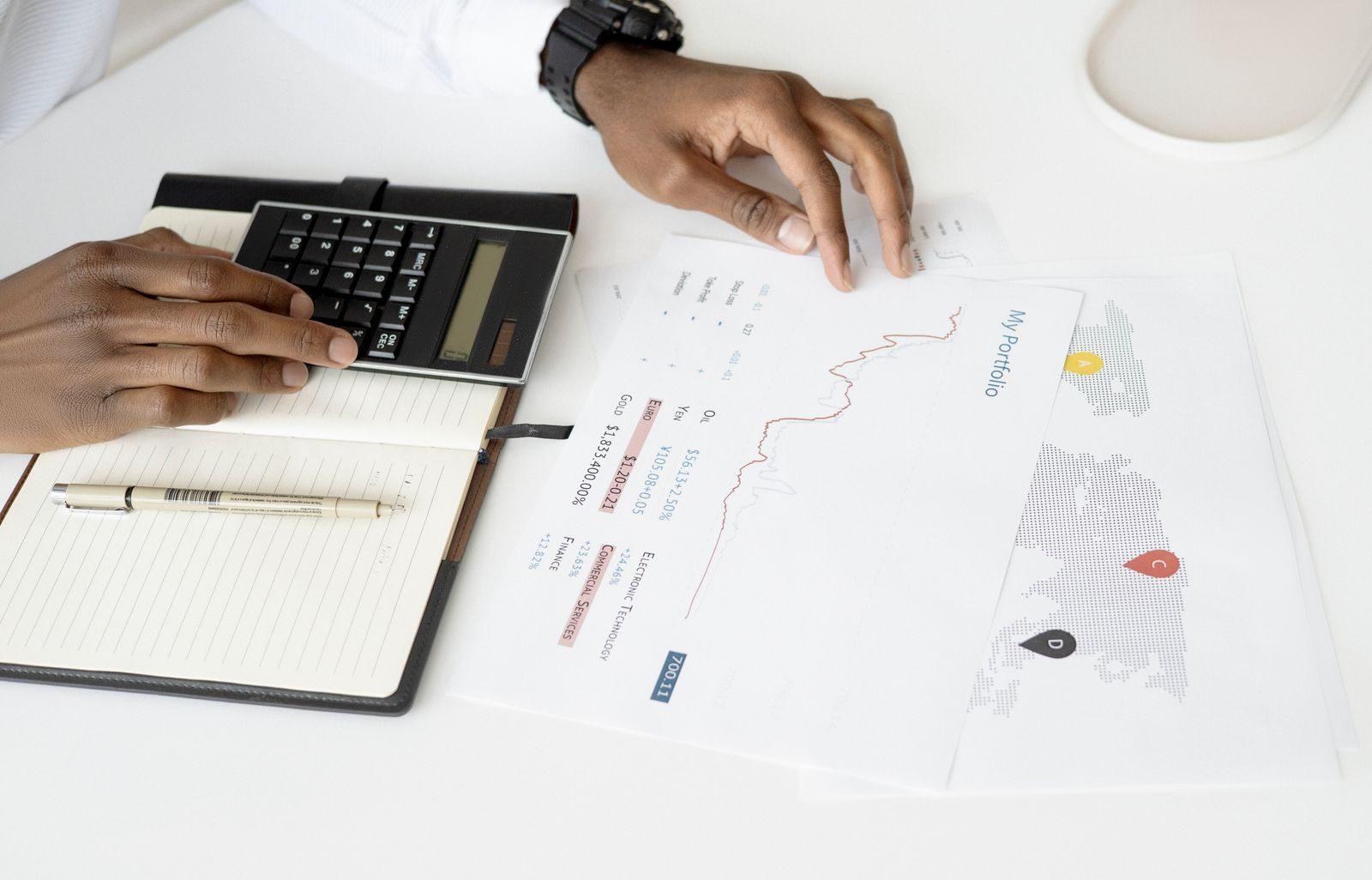
The “We Are Too Small” Fallacy. Many small business owners believe that budgeting is only for large corporations. They think they can manage with just a rough idea of their finances in their head. This assumption is dangerous. Research shows that SMEs that prepare and regularly review budgets are significantly more sustainable than those that do not. Size does not determine the need for budgeting—survival does.
The Complexity Fallacy. Many business owners assume that budgeting requires advanced degrees, expensive software, and dedicated finance teams. They do not realise that a simple spreadsheet with realistic assumptions can be enough to start. You do not need to be a financial expert to create a budget that works for your business.
The Data Problem. A good proportion of Nigerian SMEs do not routinely capture operational data. Without accurate records of sales, expenses, and cash flow, budgeting is guesswork. You cannot budget what you do not measure. Poor record-keeping is one of the primary reasons why SMEs face difficulties accessing bank loans.
The Cash Flow Crunch. When credit is available, commercial lending rates can exceed 30 per cent, making it nearly impossible to finance operations and remain profitable. Without budgeting, you cannot plan for these challenges. You are always reacting rather than planning.
The “Gut Feeling” Habit. Many entrepreneurs built their businesses on instinct and have survived so far. They trust their experience more than numbers. But as markets become more complex and competition intensifies, instinct alone is no longer enough. The businesses that succeed are those with the best financial discipline.
The Fear of Commitment. Some business owners avoid budgeting because they are afraid of what the numbers will show. They fear discovering that their business is not as profitable as they thought. This fear leads them to avoid budgeting altogether—which only makes the situation worse.
The Inconsistent Income Challenge. Many Nigerian businesses, especially in retail, agriculture, and services, face seasonal or irregular income. This unpredictability makes traditional budgeting feel irrelevant. But budgeting is even more important when income is inconsistent—it helps you plan for lean periods and avoid cash shortages.
The Cost Misconception. Many owners assume that budgeting is expensive and complicated, so they do nothing. But the cost of not budgeting—in missed opportunities, cash shortages, and business failure—is far higher than the cost of getting it right.
These pain points are real, but they are not insurmountable. With the right techniques and the right support, any business can build a budget that works.
Why Budgeting Matters More Than You Think
In Nigeria’s tough economic climate, survival depends less on how much money you raise and more on how wisely you spend it. Akin Alabi, entrepreneur and author of Small Business, Big Money, captured this perfectly: “The number one killer of small businesses is not lack of ideas, but running out of cash”.
The numbers back this up. A study of SMEs in Cross River State found that businesses that prepare and regularly review budgets are significantly more sustainable than those that do not. The study revealed that SMEs that set clear financial goals, involve all departments in budget allocation, and include provisions for unexpected expenses tend to perform better and survive longer.
Budgeting is not just about tracking expenses. It is about planning your financial future. It gives you the ability to spot financial issues early, make informed decisions on where to cut costs or invest more, and manage cash flow more effectively.
Another study of SMEs in Anambra State found that budgetary practice has a statistically significant and positive effect on the profit level of SMEs. Similarly, research in Ekiti State identified annual budgeting as the strongest predictor of SME profitability. Across Nigeria, the evidence is consistent: businesses that budget perform better.
Effective Budgeting Techniques for Nigerian Businesses
Zero-based budgeting is one of the most effective approaches for small businesses in Nigeria. Unlike traditional budgeting, which starts with last year’s numbers and adjusts them, zero-based budgeting starts from zero. Every expense must be justified for each new period. This technique forces you to question every cost. Is this expense necessary? Does it contribute to growth? Can we get the same result for less? For businesses operating on thin margins, this discipline can be a game-changer. To implement zero-based budgeting, start each budget cycle from zero, justify every expense based on its contribution to business goals, review and reallocate resources based on current priorities, and cut costs that do not deliver measurable value.
Cash flow budgeting is another essential technique. Many Nigerian business owners focus on profit and ignore cash flow. This is a dangerous mistake. A business can be profitable on paper and still go bankrupt if it runs out of cash. Cash flow budgeting is the process of forecasting when cash will come in and when it will go out. It helps you plan for periods when cash might be tight and avoid last-minute borrowing at high interest rates. To implement cash flow budgeting, forecast cash inflows and outflows monthly, identify periods of potential cash shortage, plan for those periods in advance, and build a cash reserve for emergencies.
Participative budgeting involves all departments and key staff in the budget process. Research shows that involving all departments in budget allocation leads to better performance and longer survival. When employees are involved in creating the budget, they take ownership of it. They understand the financial constraints and are more likely to stick to the budget. To implement participative budgeting, involve department heads in budget planning, seek input from staff on cost-saving ideas, communicate budget goals clearly to everyone, and hold regular budget review meetings.
In Nigeria’s unpredictable economic environment, a rigid budget can become useless within weeks. Flexible budgeting allows you to adjust your budget as circumstances change. Build in contingency funds for unexpected expenses, review and adjust your budget monthly or quarterly, compare actual results to budget and investigate variances, and be prepared to pivot when market conditions change.
Capital expenditure budgeting involves planning for major investments in assets that will benefit your business over the long term. SMEs that implement structured capital expenditure planning achieve higher growth in assets, sales, and employment. Identify major investments needed for growth, plan for these investments in advance, evaluate the return on investment for each capital expenditure, and align capital spending with your long-term strategy.
Budgeting, Investing, and Funding: The Three Pillars of SME Growth
At a recent BusinessDay SME Clinic, experts emphasised that budgeting, investing, and funding are the three pillars at the heart of sustainability, growth, and long-term success for SMEs. Budgeting is about planning your financial future and allocating resources effectively. Investing is about deploying those resources to generate returns. Funding is about accessing the capital needed to fuel growth.
Damilare Davola, a seasoned Business Analyst, emphasised the importance of self-awareness and clarity as the foundation for entrepreneurial success. According to him, understanding one’s strengths, weaknesses, environment, and the problem a business seeks to solve is essential for making sound financial and strategic decisions.
Doyin Abiola-Tobun stressed the importance of proper record-keeping as a fundamental requirement for business growth and access to funding. She cautioned entrepreneurs against relying solely on personal relationships or informal networks when seeking investment. “Relationships may open the door, but at some point, you will have to prove to people that you are worthy of the investment or funding,” she said.
Eyitayo Ogunmola encouraged entrepreneurs to look beyond conventional funding sources, highlighting opportunities such as grants, trade credit, customer pre-payments, and revenue-based financing. Mayowa Adeosun reiterated the importance of accountability, proper documentation, and financial discipline in building businesses capable of attracting investment and scaling successfully.
The Government’s New Framework: Investment Budgeting
At the national level, the Federal Government has introduced a major shift in how public finance is structured. Investment budgeting is now a foundational pillar of the 2026 Budget, designed to move Nigeria from stabilisation into sustained, accelerated growth.
The Honourable Minister of State for Finance, Dr. Doris Uzoka-Anite, explained that investment budgeting introduces a third pillar to public finance management, alongside revenue and expenditure. While recurrent expenditure sustains government operations and capital expenditure builds public assets, investment budgeting is designed to deliberately crowd in private capital, de-risk priority sectors, and generate long-term economic returns.
Under this framework, government resources are deployed strategically to unlock investment in infrastructure, agriculture, manufacturing, energy, housing, digital infrastructure, transport, and logistics. Rather than government acting as the sole financier of development, the state becomes the catalyst, using limited public funds to mobilise significantly larger pools of domestic and international private capital.
As economist Tilewa Adebayo put it, “Nigeria cannot industrialise or compete globally without treating investment as a deliberate budget item, not an incidental outcome”. For your business, this means there are more opportunities than ever to access government support, incentives, and partnerships. Stay informed about government programmes that can help you grow.
Government Support for SMEs
The Federal Government has committed significant resources to supporting SME growth. In 2026, the government will invest up to N11.76 billion to drive the growth of Micro, Small, and Medium Enterprises and industrial revitalisation, as part of the capital projects budgeted for the Small and Medium Enterprises Development Agency of Nigeria (SMEDAN). This funding is part of a broader effort to support businesses across Nigeria. SMEs should actively seek out these opportunities and position themselves to benefit from government programmes.
Additionally, the Nigeria Tax Act 2025 offers significant benefits for small businesses. SMEs with incorporation status, unlike companies with large business operations and high revenue thresholds, are liable to income tax at 0%. Qualifying manufacturers can claim a five percent annual tax credit on eligible capital expenditure for up to five years under the Economic Development Tax Incentives. These incentives can significantly reduce your tax burden and free up capital for growth. But they require proper planning and documentation. As one expert noted, “if you stay exempt, still simulate what happens when you exceed thresholds – you must be ready”.
Common Budgeting Mistakes to Avoid
A budget is not a one-time exercise. It is a living document that should be updated regularly. Many businesses create a budget and never look at it again. This is a missed opportunity. Review your budget monthly or quarterly, compare actual results to budget, investigate variances, and adjust your plan accordingly.
Many business owners underestimate their expenses. They forget about irregular costs like annual insurance premiums, equipment maintenance, or tax payments. This leads to cash shortages and financial stress. Build a contingency fund for unexpected expenses, include all known expenses even those that occur annually, and be realistic about your costs.
Overly optimistic revenue forecasts lead to overspending and cash shortages. It is better to be conservative in your revenue projections and pleasantly surprised than to be overly optimistic and caught short. Base revenue projections on historical data and realistic market analysis, factor in seasonality and economic conditions, and be conservative in your assumptions.
Mixing personal and business finances makes it impossible to track business performance accurately. It also creates tax compliance issues and limits access to financing. Open a separate business bank account, pay yourself a salary, and keep personal and business expenses separate.
Many businesses focus on profit and ignore cash flow. A business can be profitable on paper and still go bankrupt if it runs out of cash. Prepare a cash flow forecast, monitor cash flow weekly, and build a cash reserve for emergencies.
How Qeeva Advisory Helps
At Qeeva Advisory, we understand that effective budgeting is the foundation of sustainable business growth. We work with businesses of all sizes to build budgets that work, improve financial management, and achieve long-term success.
Our Advisory Services provide strategic guidance for developing and implementing budgets that align with your business goals. We help you improve financial processes, reduce costs, and build systems that support sustainable growth.
For businesses needing accurate financial records, our Bookkeeping Services ensure your financial data is accurate and up to date, providing the foundation for sound budgeting and decision-making.
Our Accounting Advisory Services help you maintain accurate financial records, prepare financial statements, and ensure compliance with Nigerian accounting standards.
For businesses seeking to optimize their cash flow, our Cash Flow Management Services help you manage working capital and ensure financial stability.
Our Business Strategy Consulting Services encompass business unit strategy, business planning, commercial due diligence, and pioneering business model innovation.
We also offer Financial Advisory Services to help you make sound investment decisions and access the funding you need to grow.
Our Service Methodology
We do not offer generic solutions. Our methodology is designed to be thorough, transparent, and actionable, ensuring that your budgeting practices are effective and positioned for long-term success.
Step 1: Financial Assessment and Review
We begin by understanding your current financial position, budget practices, and business goals. We review your financial records, identify gaps, and assess opportunities for improvement. This step is powered by our Advisory Services and Bookkeeping Services .
Step 2: Budget Development
Based on the assessment, we help you develop a realistic budget tailored to your business size, industry, and goals. This includes revenue forecasting, expense planning, and cash flow forecasting. This step is powered by our Advisory Services and Business Strategy Consulting Services .
Step 3: Implementation and Monitoring
We help you implement the budget and establish monitoring systems. We provide ongoing support to ensure your budget remains relevant and effective. This step is powered by our Accounting Advisory Services and Cash Flow Management Services .
Step 4: Review and Continuous Improvement
We help you review your budget regularly, identify variances, and make adjustments as needed. We ensure your budgeting practices evolve with your business. This step is powered by our Advisory Services and Financial Advisory Services .
Frequently Asked Questions
Q: What is the most effective budgeting technique for small businesses in Nigeria?
A: Zero-based budgeting is one of the most effective approaches. It requires you to justify every expense from zero, ensuring that all spending aligns with your business goals. Cash flow budgeting is also essential for avoiding cash shortages.
Q: How often should I review my budget?
A: You should review your budget at least monthly. Compare actual results to budget, investigate variances, and adjust your plan accordingly. In Nigeria’s volatile economic environment, more frequent reviews may be necessary.
Q: What are the key components of a business budget?
A: A comprehensive budget includes revenue projections, fixed and variable expenses, capital expenditure plans, and cash flow forecasts. It should also include a contingency fund for unexpected expenses.
Q: How can I reduce costs without compromising quality?
A: Review your supply chain, embrace energy efficiency, and leverage digital tools to lower overheads and streamline operations. Negotiate with vendors, track all expenses, and review bank statements weekly.
Q: What government support is available for SMEs in Nigeria?
A: The government has committed N11.76 billion to support SME growth through SMEDAN. The Nigeria Tax Act 2025 offers 0% income tax for qualifying small companies and tax credits for qualifying capital expenditure.
Q: How can Qeeva Advisory help my business with budgeting?
A: Qeeva Advisory provides comprehensive budgeting support including financial assessment, budget development, implementation support, and ongoing review. Our Advisory Services and Bookkeeping Services help businesses of all sizes build budgets that work.

The Bottom Line
Budgeting is not a restriction—it is a tool for growth. The businesses that budget effectively are more sustainable, more profitable, and better positioned to weather economic storms.
In Nigeria’s challenging business environment, financial discipline is not optional. It is essential for survival. The businesses that take budgeting seriously—that involve their teams, review their numbers regularly, and plan for the future—are the ones that will thrive.
The key is to start simple, be realistic, and review your budget regularly. With the right approach and the right support, any business can build a budget that drives sustainable growth.
Suggested Reading from Our Blog
Explore these related articles to deepen your understanding of financial management and business growth:
Cost Reduction Without Compromising Quality – Learn how to reduce business costs strategically without sacrificing the quality that keeps customers coming back.
Financial Forecasting for Small Businesses – Discover how to create accurate financial forecasts that help you plan for the future and make better decisions.
Common Accounting Errors That Affect Profitability in Nigeria – Identify and fix accounting errors that quietly drain your profits.
Related Services
We offer specialised services to help businesses build effective budgets and achieve sustainable growth:
Advisory Services – Strategic guidance for developing and implementing budgets that align with your business goals.
Bookkeeping Services – Accurate financial records for sound budgeting and decision-making.
Accounting Advisory Services – Financial reporting, tax planning, and compliance with Nigerian accounting standards.
Cash Flow Management Services – Working capital optimization and financial stability support.
Business Strategy Consulting Services – Comprehensive business planning and strategic support.
Financial Advisory Services – Investment decisions and access to funding for growth.
Let’s Talk About Your Budget
Budgeting is not about restricting your business—it is about building a foundation for sustainable growth. At Qeeva Advisory, we take the time to understand your unique business and develop budgeting practices that work for you.
Whether you need help with budget development, financial assessment, or ongoing support, our team is here to help you build a budget that drives growth.
📞 Call us: (+234) 802 320 0801, (+234) 807 576 5799
📧 Email: info@qeeva.com
📍 Visit us: 5, Ishola Bello Close, Off Iyalla Street, Alausa, Ikeja, Lagos, Nigeria
Contact us today to schedule a complimentary consultation. We would love to hear about your business and explore how we can help you build a budget that works.
Your journey to sustainable growth starts with a conversation. Let’s talk.
Reference Links / Sources
Budgeting Techniques for Sustainable Growth in Nigeria – Matog Consulting
Budgeting, Investing and Funding: The lifeline of SME growth – BusinessDay NG
FG deploys N11.7bn to power MSME growth – Punch NG
Thriving in the Digital Economy: Insights from industry experts – BusinessDay NG
As 2025 closes, experts urge Nigerian SMEs on strategy to maximise profits – BusinessDay NG
Nigeria’s 2025 Tax Laws – Benefits For Small And Medium Scale Enterprises – Mondaq
How new Tax Act will redefine MSME strategy in Nigeria – BusinessDay NG