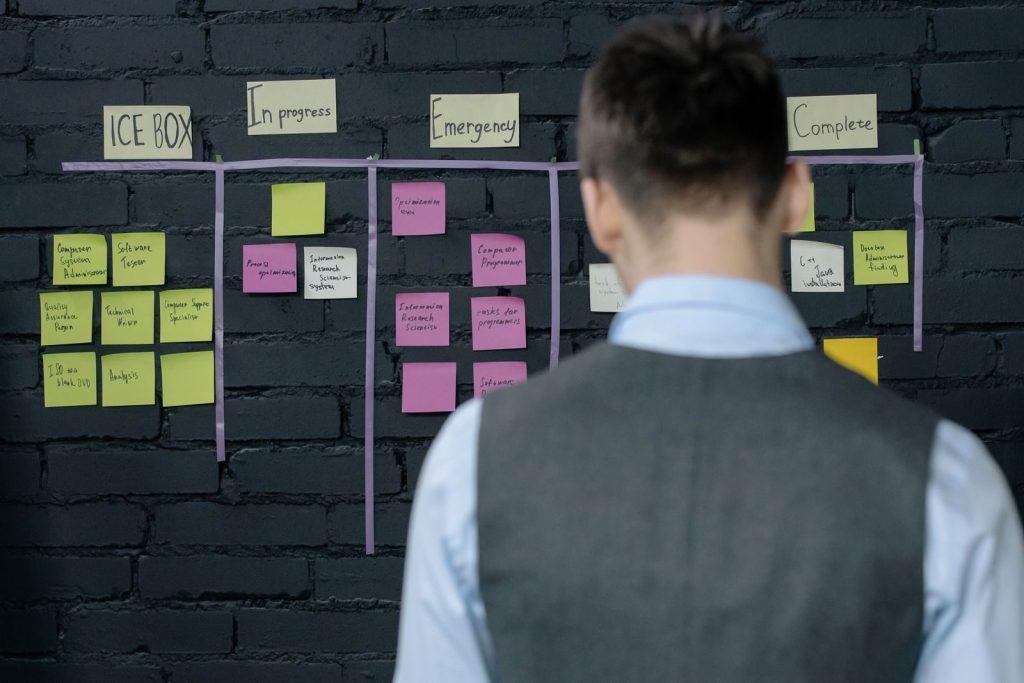

Business Excellence Through Continuous Improvement in Nigeria
For many Nigerian business owners, the phrase “continuous improvement” conjures images of complex Japanese management systems, expensive consultants, and endless process mapping sessions. It feels like something for multinational corporations, not for small and medium-sized enterprises trying to survive in a challenging economy.
But here is the truth: continuous improvement is not a luxury reserved for the big players. It is a survival strategy for every business that wants to grow, compete, and thrive.
The National Productivity Centre has stressed the need to adopt Kaizen—the Japanese philosophy of continuous improvement—in Nigeria’s public and private sectors to enhance efficiency and productivity. The Standards Organization of Nigeria has urged manufacturers to emulate companies like Dangote Cement, whose continuous drive for improvement across all operational processes sets a benchmark for quality and innovation within the industry.
This guide explores what continuous improvement means for Nigerian businesses, why it matters, the methodologies that work in the Nigerian context, and practical steps for building a culture of excellence that drives sustainable growth.
The Pain Points: Why Nigerian Businesses Struggle with Continuous Improvement
Let us be honest. Most business owners know they should improve their processes, but they do not. Here is why:
The “Firefighting” Mentality. When you are focused on keeping the business running day-to-day, improvement feels like a luxury you cannot afford. You are too busy putting out fires to think about preventing them. As one expert observed, many Nigerian organisations operate in a reactive mode, shifting from firefighting to coaching—but continuous improvement requires the opposite approach.

The Cost Misconception. Many SMEs believe that continuous improvement requires significant investment. They do not realise that the most powerful improvements often cost nothing—they come from engaging employees, identifying waste, and making small, incremental changes.
The Knowledge Gap. Many business owners simply do not know what continuous improvement looks like or how to implement it. They have heard of Kaizen or Lean but do not understand how to apply these principles in their context.
The “Good Enough” Fallacy. Without a culture of continuous improvement, mediocrity becomes acceptable. Employees do just enough to avoid trouble. Innovation is stifled. Performance declines. Customers notice, and they leave.
The Training Deficit. The Manufacturers Association of Nigeria’s 2025 survey revealed that over 60 per cent of factory workers in the sector have no access to ongoing technical training. The result is high error rates and limited capacity for improvement.
The Short-Term Focus. Many Nigerian businesses are so focused on survival that they cannot think about the future. They prioritise immediate results over long-term capability building. But as one study found, continuous improvement culture significantly influences employee productivity and employee engagement.
These pain points are real, but they are not insurmountable. With the right approach and the right mindset, any Nigerian business can build a culture of continuous improvement that drives excellence.
What Is Continuous Improvement?
Continuous improvement is the ongoing effort to improve products, services, or processes through incremental and breakthrough improvements. It is not a one-time project—it is a way of thinking and operating that becomes embedded in the culture of the organisation.
At its core, continuous improvement is about three things:
1. Customer Focus. Every improvement should ultimately benefit the customer. Whether it is faster delivery, better quality, or lower prices, the customer should feel the difference.
2. Employee Engagement. The people who do the work know best how to improve it. Continuous improvement relies on empowering employees at all levels to identify problems and propose solutions.
3. Waste Reduction. Continuous improvement is about eliminating waste—whether that is wasted time, wasted materials, or wasted effort. Every activity that does not add value for the customer is a candidate for improvement.
As one study of Nigerian manufacturing firms concluded, organisations should institutionalise continuous improvement programmes and invest in employee training. Organisational culture interacts with continuous improvement and management leadership to influence positively the innovation performance of SMEs in Nigeria.
Why Continuous Improvement Matters for Nigerian Businesses
Continuous Improvement Drives Productivity. The National Productivity Centre has stressed that by embracing Kaizen principles, Nigerian public offices and private businesses can achieve greater efficiency. A study in the South-South region found that continuous improvement culture significantly influences both employee productivity (R² = 0.667) and employee engagement (R² = 0.536).
Continuous Improvement Builds Competitive Advantage. In Nigeria’s crowded markets, the businesses that improve fastest win. As one study concluded, Total Quality Management practice is a strategic option that can enhance viable performance outcome and competitive advantage of any SME in the marketplace.
Continuous Improvement Attracts Recognition and Trust. Dangote Cement’s continuous drive for improvement sets a benchmark for quality and innovation. Companies that demonstrate commitment to quality and continuous improvement—like Aradel Holdings, which attained ISO 9001:2015 certification—build trust with customers, investors, and regulators.
Continuous Improvement Reduces Costs. By eliminating waste and improving efficiency, continuous improvement directly impacts the bottom line. Lean manufacturing practices have been shown to reduce waste in Nigerian manufacturing firms.
Continuous Improvement Enables Growth. A business that is not improving is stagnating. Continuous improvement builds the capability to scale, enter new markets, and adapt to changing conditions. Without it, growth becomes chaotic and unsustainable.
Continuous Improvement Supports Compliance. ISO 9001:2015 certification provides organisations with a framework for consistently delivering products and services that meet customer and regulatory requirements while promoting continual improvement and operational efficiency. The Raw Materials Research and Development Council (RMRDC) achieved ISO 9001:2015 certification, with the Director-General reaffirming the commitment to ensuring continuous improvement in all operational processes. NNPC’s gas unit also bagged ISO 9001:2015 certification, strengthening its institutional framework for operational efficiency and continuous improvement.
Continuous Improvement Methodologies for Nigerian Businesses
1. Kaizen
Kaizen is the Japanese philosophy of continuous improvement through small, incremental changes. It is the most accessible methodology for Nigerian SMEs because it does not require expensive consultants or complex systems.
Key Principles:
Small changes, big impact. Kaizen focuses on making small, incremental improvements that add up over time. A 1 per cent improvement every day adds up to a 365 per cent improvement over a year.
Employee involvement. Everyone in the organisation is responsible for improvement. Frontline workers are empowered to identify problems and propose solutions.
No-cost improvements. Many Kaizen improvements cost nothing—they come from eliminating waste, simplifying processes, or changing how work is done.
Applying Kaizen in Nigeria: Applying Kaizen in Nigeria’s manufacturing industry guarantees engagement and training, waste reduction, quality improvement, process optimization, and process standardization. The National Productivity Centre has advocated for the adoption of Kaizen in both public and private sectors.
How to Start:
Hold regular Kaizen meetings where employees identify problems and propose solutions
Implement one small improvement each week
Track and celebrate improvements
Build a culture where everyone is encouraged to suggest improvements
2. Lean Manufacturing
Lean manufacturing focuses on eliminating waste—anything that does not add value for the customer. It is particularly relevant for Nigerian manufacturing businesses.
Key Principles:
Value. Define what the customer values
Value Stream. Map the steps that create value and eliminate those that do not
Flow. Ensure that value-creating steps flow smoothly
Pull. Produce only what the customer wants, when they want it
Perfection. Continuously improve
Lean in Nigeria: A study examining the impact of lean manufacturing on the operational performance of Dangote Cement Factory found that lean practices significantly improve operational efficiency. The hybrid Lean-Agile framework was examined for its effect on operational efficiency at Cadbury Nigeria Plc, demonstrating the applicability of lean principles in Nigerian firms. Lean manufacturing strategy has a positive influence on the corporate performance of selected pharmaceutical firms in Southwest Nigeria. Studies recommend a gradual implementation of lean, starting with easier-to-apply tools such as 5S and Kaizen, along with capacity-building programmes.
How to Start:
Identify waste in your processes (overproduction, waiting, transport, over-processing, inventory, motion, defects)
Map your value stream to see the flow of materials and information
Implement 5S: Sort, Set in order, Shine, Standardise, Sustain
Train employees on lean principles
3. ISO 9001:2015 Quality Management System
ISO 9001:2015 is an internationally recognised standard for quality management that provides a framework for continuous improvement.
Key Principles:
Customer focus
Leadership
Engagement of people
Process approach
Improvement
Evidence-based decision making
Relationship management
ISO 9001 in Nigeria: Aradel Holdings Plc attained ISO 9001:2015 certification, demonstrating commitment to continuous improvement. PrimeTech Design and Engineering Nigeria Ltd, the engineering design subsidiary of Julius Berger, achieved the certification. The RMRDC achieved ISO 9001:2015 certification, raising the bar for operational excellence. The NNPC gas unit also bagged the certification. The SON holds QMS Management Review Meetings in adherence to ISO 9001:2015 requirements.
How to Start:
Understand the ISO 9001:2015 requirements
Develop a quality management system
Document your processes
Train your employees
Conduct internal audits
Seek certification through an accredited body
4. Six Sigma
Six Sigma is a data-driven methodology for reducing defects and improving quality. It is particularly relevant for businesses that need to reduce errors and variability.
Key Principles:
Define the problem
Measure current performance
Analyse the root cause
Improve the process
Control the new process
Six Sigma in Nigeria: A study examining the effect of Six Sigma principles on the performance of small-scale manufacturing firms in Abuja recommended that firms should implement process measurement, process improvement, and process control tools.
How to Start:
Identify the most critical quality issues in your business
Collect data on current performance
Analyse root causes
Implement improvements
Monitor and sustain the gains
Implementing Continuous Improvement: A Step-by-Step Guide
Step 1: Start with Leadership Commitment
Continuous improvement starts at the top. Leaders must demonstrate visible and sustained commitment to improvement. As one expert noted, ISO 9001 recertification demonstrates a commitment to continuous improvement, which benefits from the active involvement and buy-in of top management and staff.
What to Do:
Communicate the importance of continuous improvement
Allocate time and resources for improvement activities
Lead by example—participate in Kaizen events and improvement initiatives
Hold managers accountable for improvement in their areas
Step 2: Engage Your Employees
The people who do the work know best how to improve it. Engaging employees is essential for sustainable improvement. As the RMRDC noted, implementation began with sensitisation and awareness sessions for directors, focusing on leadership roles, system ownership, and the need to institutionalise continuous improvement.
What to Do:
Create channels for employees to suggest improvements
Recognise and reward employees who contribute to improvement
Provide training on improvement methodologies
Build Quality Circles—small groups of employees who meet regularly to identify and solve problems
Step 3: Identify Improvement Opportunities
You cannot improve what you do not measure. Start by understanding your current performance and identifying areas for improvement. Lean manufacturing tools like Value Stream Mapping (VSM) can help visualise and analyse the flow of materials and information.
What to Do:
Map your key processes
Identify bottlenecks, waste, and inefficiencies
Collect data on current performance
Prioritise improvement opportunities based on impact and feasibility
Step 4: Implement Improvements
Start small and build momentum. The most sustainable improvements are often the smallest ones. As one study recommended, start with easier-to-apply tools such as 5S and Kaizen, along with capacity-building programmes.
What to Do:
Start with one improvement project
Apply the PDCA (Plan-Do-Check-Act) cycle
Document the improvement
Measure the results
Standardise the improvement
Step 5: Monitor and Sustain
Improvement is not a one-time event—it is an ongoing process. You need systems to monitor performance and sustain the gains.
What to Do:
Track key performance indicators
Conduct regular audits
Celebrate successes
Continuously identify new improvement opportunities
Success Stories: Nigerian Companies Leading the Way
Dangote Cement
Dangote Cement has been lauded by the Standards Organization of Nigeria for its significant role in elevating the country’s manufacturing sector. The SON urged other manufacturers to emulate the company’s dedication to best practices and operational excellence. Dangote Cement’s continuous drive for improvement across all operational processes sets a benchmark for quality and innovation within the industry.
What You Can Learn: Continuous improvement is not optional—it is the key to industry leadership.
EHA Clinics
EHA Clinics in Nigeria shows how leadership embraced continuous improvement, empowered staff, and shifted from firefighting to coaching, creating safer and more efficient healthcare delivery. Through Lean, EHA Clinics improved safety, efficiency, and patient experience.
What You Can Learn: Continuous improvement works in any sector—healthcare, services, manufacturing, or retail.
Aradel Holdings
Aradel Holdings Plc successfully attained ISO 9001:2015 certification, demonstrating its commitment to quality and continuous improvement. The certification helps organisations improve efficiency, meet stakeholder expectations, and demonstrate their commitment to quality.
What You Can Learn: Certification builds trust and credibility with customers, investors, and regulators.
BAT Nigeria
BAT Nigeria was honoured with a Special Recognition Award for initiatives such as the Utility Monitoring System and Smart Boiler project. These initiatives are optimising energy consumption, reducing downtime, and enhancing overall equipment effectiveness. These efforts have translated into measurable improvements in performance, sustainability, and energy efficiency.
What You Can Learn: Technology and innovation are powerful enablers of continuous improvement.
NNPC Gas Unit
NNPC’s gas unit bagged ISO 9001:2015 certification, strengthening its institutional framework for operational efficiency and continuous improvement.
What You Can Learn: Even large state-owned enterprises can benefit from continuous improvement.

How Qeeva Advisory Helps
At Qeeva Advisory, we understand that continuous improvement is the foundation of business excellence and sustainable growth. We work with businesses of all sizes to build improvement cultures, implement best practices, and achieve operational excellence.
Our Advisory Services provide strategic guidance for developing and implementing continuous improvement programmes that align with your business goals.
For businesses looking to improve quality and efficiency, our Regulatory Compliance and SON Certification Support helps you navigate quality standards and achieve certification.
Our Business Strategy Consulting Services help you craft strategies that foster sustainable growth, including operational excellence and continuous improvement.
For businesses needing to understand their current performance, our Organizational Audit helps you identify opportunities for improvement.
We also offer Training and Capacity Building to equip your managers and employees with the skills needed to drive continuous improvement.
Our Service Methodology
We do not offer generic solutions. Our methodology is designed to be thorough, transparent, and actionable, ensuring that your continuous improvement initiatives are grounded in your organisation’s unique realities and positioned for long-term success.
Step 1: Performance Assessment and Opportunity Identification
We begin by understanding your current performance landscape. This includes reviewing your processes, identifying waste and inefficiencies, and assessing your organisational culture. We identify gaps, risks, and opportunities for improvement.
This step is powered by our Organizational Audit and Advisory Services .
Step 2: Improvement Strategy Development
Based on the assessment, we help you develop a comprehensive continuous improvement strategy tailored to your business size, industry, and goals. This includes selecting appropriate methodologies (Kaizen, Lean, Six Sigma, ISO 9001), defining improvement targets, and establishing measurement frameworks.
This step is powered by our Business Strategy Consulting Services and Advisory Services .
Step 3: Implementation Support and Training
We help you implement the improvement strategy—from training managers and employees to establishing improvement teams and monitoring mechanisms. We provide ongoing support to ensure successful adoption and address challenges as they arise.
This step is powered by our Training and Capacity Building and Advisory Services .
Step 4: Monitoring and Continuous Improvement
We provide ongoing support to ensure your improvement initiatives remain effective and sustainable. This includes regular reviews, performance tracking, and guidance on emerging best practices.
This step is powered by our Advisory Services .
Frequently Asked Questions
Q: What is continuous improvement?
A: Continuous improvement is the ongoing effort to improve products, services, or processes through incremental and breakthrough improvements. It is a way of thinking and operating that becomes embedded in the culture of the organisation.
Q: Do I need expensive consultants to implement continuous improvement?
A: No. While consultants can help, the most powerful improvements often come from engaging employees and making small, incremental changes. The National Productivity Centre has advocated for adopting Kaizen principles, which focus on small, no-cost improvements.
Q: What is Kaizen?
A: Kaizen is the Japanese philosophy of continuous improvement through small, incremental changes. It focuses on engaging employees at all levels to identify problems and propose solutions. The National Productivity Centre has stressed the need to adopt Kaizen in Nigeria’s public and private sectors.
Q: How does ISO 9001 certification help my business?
A: ISO 9001:2015 provides a framework for consistently delivering products and services that meet customer and regulatory requirements while promoting continual improvement and operational efficiency. It builds trust with customers, investors, and regulators.
Q: What is the difference between Lean and Six Sigma?
A: Lean focuses on eliminating waste and improving flow. Six Sigma focuses on reducing defects and variability. They are complementary and often used together.
Q: How can Qeeva Advisory help my business with continuous improvement?
A: Qeeva Advisory provides comprehensive continuous improvement support including performance assessment, strategy development, implementation support, training, and ongoing monitoring. Our Advisory Services help businesses of all sizes build improvement cultures and achieve operational excellence.
The Bottom Line
Continuous improvement is not a luxury for large corporations—it is a necessity for every Nigerian business that wants to grow, compete, and thrive. In a challenging economic environment where every naira counts and every customer matters, the businesses that improve fastest win.
The evidence is clear. Organisations with continuous improvement cultures see higher productivity, greater employee engagement, and better financial performance. Companies like Dangote Cement, Aradel Holdings, and BAT Nigeria have demonstrated that continuous improvement drives excellence.
The key is to be intentional, not reactive. Start with leadership commitment. Engage your employees. Identify improvement opportunities. Implement improvements. Monitor and sustain.
With the right approach and the right support, any Nigerian business can build a culture of continuous improvement that drives excellence, attracts customers, and enables sustainable growth.
The choice is yours.
Suggested Reading from Our Blog
Explore these related articles to deepen your understanding of business excellence and operational improvement:
Business Process Documentation Made Simple in Nigeria – Learn how to document your processes and create Standard Operating Procedures that ensure consistency and enable improvement.
Organizational Structure and Business Efficiency in Nigeria – Discover how the right structure enables efficient operations and continuous improvement.
Accountability Systems That Improve Results – Learn how to build accountability systems that drive performance and improvement.
Related Services
We offer specialised services to help businesses achieve operational excellence:
Advisory Services – Strategic guidance for developing and implementing continuous improvement programmes.
Regulatory Compliance and SON Certification Support – Navigate quality standards and achieve certification.
Business Strategy Consulting Services – Craft strategies that foster sustainable growth and operational excellence.
Organizational Audit – Assess your current performance and identify opportunities for improvement.
Training and Capacity Building – Equip your managers and employees with the skills needed to drive continuous improvement.
Let’s Talk About Your Continuous Improvement Strategy
Business excellence is not achieved by accident—it is built through continuous improvement. At Qeeva Advisory, we take the time to understand your unique business and develop improvement strategies that work for you.
Whether you need help with process improvement, quality certification, or strategic advisory, our team is here to support you.
📞 Call us: (+234) 802 320 0801, (+234) 807 576 5799
📧 Email: info@qeeva.com
📍 Visit us: 5, Ishola Bello Close, Off Iyalla Street, Alausa, Ikeja, Lagos, Nigeria
Contact us today to schedule a complimentary consultation. We would love to hear about your business and explore how we can help you build a culture of continuous improvement that drives excellence.
Your journey to business excellence starts with a conversation. Let’s talk.
Reference Links / Sources
NPC advocates continuous improvement in business operations – Punch NG
Leading with Lean at EHA Clinics – Planet Lean
Cultivating Continuous Improvement Culture in Manufacturing Industries Through Kaizen – ThisDay Live
RMRDC Achieves ISO 9001:2015 Certification – Raw Materials 360
NNPC gas unit bags ISO 9001:2015 global quality certification – Guardian NG
PrimeTech earns ISO 9001 certification – Daily Trust
Productivity And Quality Improvement Programme (P&QIP) – National Productivity Centre
SIX SIGMA AND PERFORMANCE OF SMALL SCALE MANUFACTURING FIRMS IN ABUJA – Core.ac.uk
BAT Nigeria Receives Special Recognition At The 2025 CIO & C-Suite Awards Africa – Independent NG
ISO 9001 Certification in Nigeria – Factocert
SON Holds QMS Management Review Meeting, Reaffirms Commitment to Quality – SON