
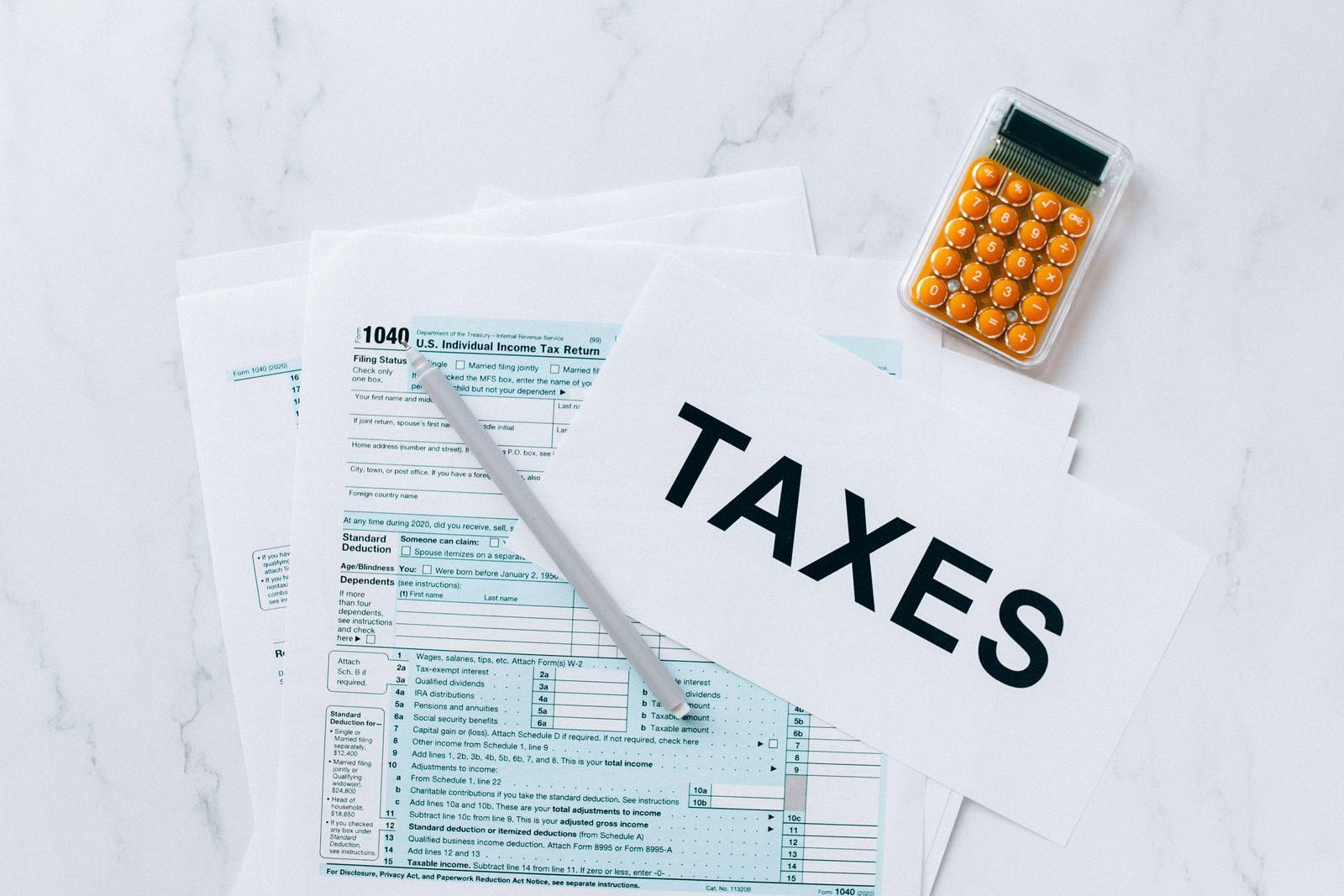
TAXATION OF SOLE PROPRIETORSHIP IN NIGERIA: MEANING OF TRADE AND PROFESSION, BADGES OF TRADE, ASSESSABLE PROFIT, BASIS PERIOD, LOSS RELIEF AND TAX COMPUTATION UNDER THE NIGERIA TAX ACT, 2025
The Nigeria Tax Act (NTA) 2025, which took effect on 1 January 2026, fundamentally reshaped the taxation of sole proprietorships in Nigeria. The reforms consolidated and modernised the tax code, introducing clearer provisions on how business income is assessed and taxed. For the millions of Nigerians operating as sole proprietors, the changes are significant and demand immediate attention.
A sole proprietorship is not a separate legal entity from its owner. The business and the individual are one and the same for tax purposes. This means the business’s income is treated as the proprietor’s personal income and taxed under the Personal Income Tax (PIT) regime at progressive rates ranging from 0% to 25%.
This comprehensive guide examines the taxation of sole proprietorships under the NTA 2025, covering the meaning of trade and profession, the badges of trade, assessable profit, basis periods, loss relief, and practical tax computation examples.

The Pain Points: Why Sole Proprietors Must Act Now
The End of the Informal Era
The NTA 2025 has ended the era of informal business operations. Under the new framework, self-employed individuals must self-declare annual income, calculate tax owed, and remit it without waiting for a demand notice. Taiwo Oyedele, Nigeria’s Minister of Finance, put it plainly: “If you’re exempted you don’t need to pay any tax, just say this is my income and you’re exempted from tax”.
The Documentation Imperative
Many sole proprietors operate with little to no formal record-keeping. Under the NTA 2025, this approach is no longer viable. Poor records can lead to assumptions of higher taxable income or disputes with tax authorities. The tax authority now requires clear separation between business income and personal expenses, and expenses lacking supporting receipts can be rejected.
The Tax Structure Gap
The 2025 reforms have created a major “tax gap” between sole proprietorships and limited liability companies. A limited liability company with a turnover of ₦80 million pays 0% tax on profit (if classified as a small company), while a sole proprietor with the same profit would be taxed as an individual, potentially paying up to 25% in PIT. This creates a significant incentive for growing businesses to incorporate.
The Self-Assessment Obligation
Every form of economic gain is taxable unless specifically exempted. If money comes to you because of work, skill, business, or property, it is taxable. Sole proprietors must now file annual returns even if no tax is due, as filing declares your position officially, avoids automatic penalties, and unlocks benefits like proofs for loans, contracts, or travel.
Meaning of a Trade or Profession
Definition of Trade
A “trade” refers to commercial activity carried on with a view to profit. It encompasses the sale of goods or services in the ordinary course of business. The income derived from trading stock—including raw materials, work-in-progress, and finished goods sold in the ordinary course of trade—constitutes trading receipts and is taxable.
Definition of Profession
A profession is a vocation or occupation that involves the application of specialised knowledge or skill. In the context of taxation, a professional is usually somebody who is self-employed or “trading in his skill”, and the computation of taxable profits follows the same principles as business or trading income.
The Broader Concept of Business
While the term “business” may be wider than “trade”, income from a trade or profession is treated similarly for tax purposes. The profits of an enterprise, being an unincorporated entity, are taxable in the hands of the owner.
The Badges of Trade
The “badges of trade” are factors used to determine whether an activity constitutes a trade for tax purposes. These indicators help distinguish between trading activities (taxable) and mere investment or hobby activities (not taxable). Key badges of trade include:
1. Profit Motive
The presence of a profit motive is a strong indicator of trading activity. If the taxpayer’s activities are undertaken with the intention of making a profit, the activity is more likely to be considered a trade.
2. Frequency of Transactions
A series of transactions over time is more likely to constitute a trade than isolated transactions. Where an individual or entity engages in repeat transactions of a similar nature, a trade is indicated.
3. Nature of the Asset
Some assets, such as trading stock or goods sold in the ordinary course of business, are inherently connected to trading activity. The nature of the asset (whether it is held for resale) is a key consideration.
4. Length of Ownership
Short ownership periods followed by resale suggest trading activity, while long-term ownership suggests investment or capital appreciation.
5. Circumstances of Sale
Whether the transaction arose from an emergency or was a planned commercial transaction is relevant. Even where the purpose of sale is inconsistent with trading, the fact that the taxpayer seized some emergency opportunity to sell may indicate trading if the transaction was undertaken with a profit motive.
Assessable Profit
Determining Assessable Profit
Assessable profit is the net profit of the business after deducting allowable expenses from gross income. The formula is straightforward:
Total Income – Allowable Deductions = Chargeable Income × Tax Rate = Tax Payable
Allowable Deductions
The law allows deductions for expenses that are wholly and exclusively incurred in making profits. These include:
-
Rent for business premises
-
Staff salaries and wages
-
Utilities used for business
-
Transportation and logistics
-
Advertising and marketing costs
-
Interest on business loans
-
Repairs and maintenance
-
Pension contributions (8% of gross income)
-
National Housing Fund contributions (2.5% of gross income)
-
Life assurance premiums (capped at ₦100,000)
-
Capital allowances on generators, vehicles, and computers
Non-Allowable Deductions
No deduction is allowed for:
-
Capital withdrawn from the business
-
Expenditure of a capital nature
Key Restrictions
Rent Relief: The new tax regime caps deductible rental expenses at ₦500,000 per year. Critics argue that given Nigeria’s primary economic hubs (Lagos, Abuja, and Port Harcourt), this figure is “embarrassingly low” given inflationary pressures on property values.
Forex Deductions: Restrictions on forex deductions prevent businesses from deducting actual foreign exchange losses when sourcing funds in Nigeria’s volatile currency market.
No Salary Deduction: A sole proprietor cannot pay themselves a “salary” to reduce taxable profit, as the proprietor and the business are the same entity.
Basis Period
Definition
The basis period is the period for which the profits of a trade or business are assessed for income tax purposes. Under the NTA 2025, the basis period for each year of assessment is the accounting period immediately preceding that year of assessment.
Commencement Rule
For a new business, the first year’s assessable profits cover the period from the date of commencement of operations in Nigeria to the end of the first accounting period.
| Year | Basis Period |
|---|---|
| First Year of Assessment | Date of commencement to end of first accounting period |
| Second Year of Assessment | Profits from the first day after the first accounting period to the end of the second accounting period |
| Third Year and Subsequent Years | Profits from the day after the accounting period just ended |
Change of Accounting Date
If a taxable person changes their accounting date, the basis period runs from the end of the previous basis period up to the new accounting date. This is a significant event requiring careful tax planning, as the relevant tax authority bases its assessment on the method that gives the higher profit chargeable.
Notification Requirement: Notification of a change in accounting date must be given to the tax authority at least 30 days before the usual filing due date.
Cessation Rule
When a business permanently ceases operations, the basis period is the period from the beginning of the accounting period to the date of cessation. Tax arising from cessation is payable within six months of the cessation date.
Receipts and Payments After Cessation
Where, after the date on which an individual has ceased to carry on a trade, the individual or a representative receives or pays any sum which could have been included in profits, such receipts or payments are treated as if received or paid on the last day before cessation.
Loss Relief
Treatment of Losses
Losses are carefully regulated to prevent abuse. They cannot exceed the actual amount incurred and must always be offset against profits from the same trade or business where they arose. Loss carry back is not permitted, but all companies can carry operating losses forward indefinitely.
Carry-Forward of Losses
Losses can be carried forward year after year until fully recouped, but they must always be matched to actual profits in future years until fully recouped.
Digital Asset Losses
Losses from digital or virtual assets can only be deducted against gains from similar digital or virtual transactions, ensuring fairness and preventing mismatched offsets.
Loss Relief for Sole Proprietors
If a sole proprietor makes a loss instead of a profit, the loss can be carried forward and deducted from that individual’s future income from the same business. Losses cannot be used to reduce other income sources.
Tax Computation for Sole Proprietors
Personal Income Tax Rates Under NTA 2025
The NTA 2025 introduces a tax-exemption threshold of ₦800,000 per annum, meaning individuals whose total annual income does not exceed this amount are exempt from personal income tax. Beyond this threshold, the Act adopts a progressive tax structure:
| Income Bracket | Tax Rate |
|---|---|
| First ₦800,000 | 0% |
| Next ₦2,200,000 (₦800,001 – ₦3,000,000) | 15% |
| Next ₦9,000,000 (₦3,000,001 – ₦12,000,000) | 18% |
| Next ₦13,000,000 (₦12,000,001 – ₦25,000,000) | 21% |
| Next ₦25,000,000 (₦25,000,001 – ₦50,000,000) | 23% |
| Above ₦50,000,000 | 25% |
Worked Example: Sole Proprietor Tax Computation
Scenario: Chioma operates a fashion design business as a sole proprietor in Lagos. For the 2026 year of assessment, her financial records show the following:
Income:
-
Revenue from sales: ₦18,000,000
-
Interest income: ₦150,000
-
Total Income: ₦18,150,000
Expenses:
-
Rent for business premises: ₦1,200,000
-
Staff salaries: ₦1,800,000
-
Utilities: ₦350,000
-
Marketing: ₦400,000
-
Transport: ₦250,000
-
Materials: ₦4,500,000
-
Interest on business loan: ₦200,000
-
Pension contribution (8% of gross income): ₦144,000
-
National Housing Fund (2.5% of gross income): ₦45,000
-
Life assurance premiums (capped): ₦100,000
Step 1: Compute Total Allowable Deductions
-
Rent (capped at ₦500,000): ₦500,000
-
Staff salaries: ₦1,800,000
-
Utilities: ₦350,000
-
Marketing: ₦400,000
-
Transport: ₦250,000
-
Materials: ₦4,500,000
-
Interest on business loan: ₦200,000
-
Pension contribution: ₦144,000
-
National Housing Fund: ₦45,000
-
Life assurance: ₦100,000
-
Total Allowable Deductions: ₦8,289,000
Step 2: Compute Chargeable Income
-
Total Income: ₦18,150,000
-
Less: Allowable Deductions: (₦8,289,000)
-
Chargeable Income: ₦9,861,000
Step 3: Apply Tax Rates
-
First ₦800,000: ₦0
-
₦800,001 – ₦3,000,000 (₦2,200,000 × 15%): ₦330,000
-
₦3,000,001 – ₦9,861,000 (₦6,861,000 × 18%): ₦1,234,980
-
Total Tax Payable: ₦1,564,980
Effective Tax Rate: ₦1,564,980 / ₦9,861,000 = 15.9%
Step 4: Withholding Tax Credits
If corporate clients deducted Withholding Tax at 5% on professional service invoices, those deductions are advance payments on annual income tax liability and can be credited at year-end filing.
Sole Proprietor vs Limited Company: The Tax Gap
The 2025 reforms have created a significant “tax gap” between sole proprietorships and limited liability companies:
| Aspect | Sole Proprietorship | Limited Liability Company |
|---|---|---|
| Tax Law | Personal Income Tax Act (PITA) | Companies Income Tax Act (CITA) |
| Tax Rates | 0% – 25% (progressive) | 30% (or 0% for small companies) |
| Small Company Exemption | Not applicable | 0% CIT for turnover ≤ ₦100m |
| Salary Deduction | Not allowed | Allowed |
| Tax Authority | State Internal Revenue Service | Nigeria Revenue Service |
A sole proprietor with ₦80 million profit would be taxed as an individual, potentially paying up to 25% in PIT. A limited liability company with the same turnover would pay 0% tax on profit under the small company exemption.
Compliance and Filing Requirements
Registration
Sole proprietorships and informal businesses must be properly registered with the Corporate Affairs Commission (CAC) and obtain a Tax Identification Number (TIN). The NRS is now cross-referencing TIN databases with corporate affairs records and bank data, so any mismatch can trigger automatic queries and penalties.
Record-Keeping
The tax authority requires clear separation between business income and personal withdrawals. Mixed personal and business expenses require clear apportionment, and the tax authority can reject claims lacking supporting receipts.
Filing Deadlines
-
Personal Income Tax: Filed by March 31 with your State Internal Revenue Service
-
VAT: Monthly returns by the 21st of the following month (if registered for VAT)
VAT Registration Requirement
Value Added Tax at 7.5% applies to taxable goods and services. Any person making taxable supplies exceeding ₦25 million in any consecutive 12-month period must register for VAT. The threshold is measured on revenue, not profit, and uses a rolling 12-month window.
Penalties for Non-Compliance
Failure to register once turnover crosses the ₦25 million VAT threshold attracts:
-
₦50,000 penalty for the first month
-
₦25,000 for each subsequent month
Late filing of personal income tax returns can attract administrative penalties.
Strategic Considerations for Sole Proprietors
1. Maintain Impeccable Records
Start scanning and digitising every transaction daily. Install a free or low-cost scanning app on your smartphone to capture receipts, invoices, payment proofs, bank statements, and expense notes.
2. Shift Away from Cash Transactions
Use bank transfers, mobile money, POS, or digital wallets for payments and receipts. Cash lacks easy tracking, making it hard to prove expenses, claim inputs, or defend audits.
3. Understand Deductible Expenses
Take advantage of allowable deductions: business rent, salaries, utilities, marketing, transport, interest on business loans, pension contributions, and life assurance premiums.
4. Consider Incorporation
If your business is growing and earns significant profit, a limited liability company is much more “tax-efficient” in 2025 because of the ₦100 million turnover exemption for CIT.
5. File Returns Even When Exempt
Even exempt or low-liability taxpayers often must file annual returns to get a clean compliance certificate or tax clearance.
6. Seek Expert Advice
Speak with a qualified tax consultant, accountant, or finance expert familiar with the new regime. If cost is a barrier, join forces with your trade association or business group to hire an expert for a group session.
Frequently Asked Questions
Q: What is the tax rate for a sole proprietor under the NTA 2025?
A: Sole proprietors are taxed under the Personal Income Tax regime at progressive rates: 0% on the first ₦800,000, 15% on the next ₦2,200,000, 18% on the next ₦9,000,000, 21% on the next ₦13,000,000, 23% on the next ₦25,000,000, and 25% on income above ₦50,000,000.
Q: Can a sole proprietor deduct salary paid to themselves?
A: No. A sole proprietor cannot pay themselves a “salary” to reduce taxable profit, as the proprietor and the business are the same entity.
Q: What expenses can a sole proprietor deduct?
A: Rent for business premises (capped at ₦500,000), staff salaries, utilities, marketing, transport, interest on business loans, pension contributions (8% of gross income), National Housing Fund contributions (2.5%), and life assurance premiums (capped at ₦100,000).
Q: What is the basis period for a new sole proprietor?
A: For the first year of assessment, the basis period is from the date of commencement to the end of the first accounting period. The second year covers the first day after the first accounting period to the end of the second accounting period.
Q: When must a sole proprietor file a cessation return?
A: Tax arising from cessation is payable within six months of the cessation date.
Q: Can business losses be carried forward?
A: Yes. Losses can be carried forward year after year until fully recouped, but they must always be matched to actual profits in future years.
Q: What is the VAT registration threshold for sole proprietors?
A: Any person making taxable supplies exceeding ₦25 million in any consecutive 12-month period must register for VAT.
Q: Is a sole proprietorship taxed differently from a limited liability company?
A: Yes. Sole proprietors are taxed under PIT at progressive rates (0% to 25%), while limited liability companies are taxed under CIT. Small companies with turnover ≤ ₦100 million may be exempt from CIT.
The Bottom Line
The NTA 2025 has fundamentally reshaped the taxation of sole proprietorships in Nigeria. The reforms bring significant changes to rates, allowances, compliance requirements, and the overall tax landscape for small business owners.
Key Takeaways:
Understand Your Tax Status: Sole proprietors are taxed under PIT at progressive rates of 0% to 25%, with a ₦800,000 tax-exemption threshold.
Know Your Allowable Deductions: Rent (capped at ₦500,000), salaries, utilities, marketing, transport, interest on business loans, pension contributions, NHF contributions, and life assurance premiums are deductible.
File on Time: Personal income tax returns must be filed by March 31 each year. Consider hiring a bookkeeper for regular reviews.
Maintain Proper Records: Clear separation between business income and personal withdrawals is essential. The tax authority can reject claims lacking supporting receipts.
Consider Incorporation: If your business is growing and earns significant profit, a limited liability company is much more “tax-efficient” in 2025 because of the ₦100 million turnover exemption for CIT.
Your job is to be prepared. Understand the new tax rules. Maintain proper records. Claim allowable deductions. File on time. Seek professional guidance.
With the right approach and the right partner, you can turn tax compliance from a potential burden into a manageable and transparent process.
Suggested Reading from Our Blog
VAT & Nigeria 2025 Tax Reforms: Key Changes for Businesses – Understand VAT reforms under NTA 2025.
Tax Strategies and Planning – Structure your business to optimise your tax position.
Reference Links / Sources
Chambers and Partners – Corporate Tax 2026 Nigeria – Allowable expenses, technology investments, EDTC incentives, and loss relief provisions
Nairametrics – NTA 2025: Practical steps small businesses should take now – Record-keeping best practices, expert advice, and cashless transactions
LinkedIn – Personal Income Tax for Salary Earners & Self-Employed – Self-assessment vs PAYE distinction for sole proprietors
BusinessDay – 5 ways small businesses can stay tax compliant – TIN requirements, record-keeping, e-invoicing, and penalties for non-compliance
LinkedIn – LTD Structure Offers Tax Shield – Comparison of sole proprietorship vs LTD tax treatment, rates, and the ₦100 million small company exemption
Deel – Sole Proprietorship Registration Guide – Sole proprietorship tax structure and compliance obligations
LinkedIn – Catalyst Foresight Partners – Deductible expenses for sole proprietors, simplified tax filing, and practical takeaways
LinkedIn – UNN Tax Club – Sole proprietorship taxation under PIT and ₦800,000 tax-free threshold
LinkedIn – Tax Reform Exemptions and Compliance Changes – ₦800,000 tax exemption threshold, progressive rates, and filing obligations
LinkedIn – Tax Calculator Correction – Development Levy application and small company exemption
BusinessDay – Moving from business name to limited liability company – Comprehensive analysis of sole proprietorship vs LLC, tax optimization, and incorporation benefits
Arise News – Oyedele: New Tax Laws Won’t Debit Bank Accounts – Presumptive tax regime, exemptions for low-income businesses, and tax exemption stickers
Let’s Talk About Your Sole Proprietorship Tax Needs
Navigating sole proprietorship taxation under the NTA 2025 can be complex. At Qeeva Advisory, we understand the challenges faced by sole proprietors in understanding tax obligations, computing taxable income, and ensuring compliance.
Whether you need help with tax computation, record-keeping, or compliance support, we are here to support you.
📞 Call us: (+234) 802 320 0801, (+234) 807 576 5799
📧 Email: info@qeeva.com
📍 Visit us: 5, Ishola Bello Close, Off Iyalla Street, Alausa, Ikeja, Lagos, Nigeria
Contact us today to schedule a consultation. Let us help you navigate sole proprietorship taxation with confidence.
Your journey to tax compliance starts with a conversation. Let’s talk.