
BUSINESS CONTINUITY & DISASTER RECOVERY
In a world of fuel price fluctuations, volatile foreign exchange markets, sudden regulatory shifts, power outages, and increasing cyber threats, business continuity planning has become essential for survival. Despite accounting for 96% of all businesses, contributing 48% to national GDP, and providing 84% of employment, only 5 to 20 percent of Nigerian SMEs make it past the five-year mark . The numbers paint a stark picture: most businesses do not fail because they have a bad product; they fail because something unexpected happened, and they did not have a plan to keep moving .
Business continuity is simply your “Plan B” for when life happens . It is the answer to the question: “If my office burns down tonight, how do I sell to my customers tomorrow morning?” It is not just about insurance. Insurance gives you money after the disaster. Business continuity keeps you working during the disaster .
This comprehensive guide examines business continuity and disaster recovery for Nigerian businesses, covering key concepts, regulatory frameworks, practical steps for building resilience, and the role of risk financing and technology.
The Pain Points: Why Business Continuity Matters Now More Than Ever
The Vulnerability of Nigerian SMEs
Many Nigerian business owners rely on what experts call “fire brigade” management—waiting for the fire to start before looking for a bucket of water . Common vulnerabilities include:
-
The “Vibes” Approach: Relying on luck or hoping things will just work out instead of having a structured plan .
-
Single Point of Failure: Having only one supplier, one major client, or one person who knows the password to the bank account .
-
No Backups: Keeping all your records in a physical ledger that can be lost in a fire, damaged by pests, or misplaced during a move .
-
No Financial Buffer: Operating without emergency funds or backup systems .
The Impact of Disasters in Nigeria
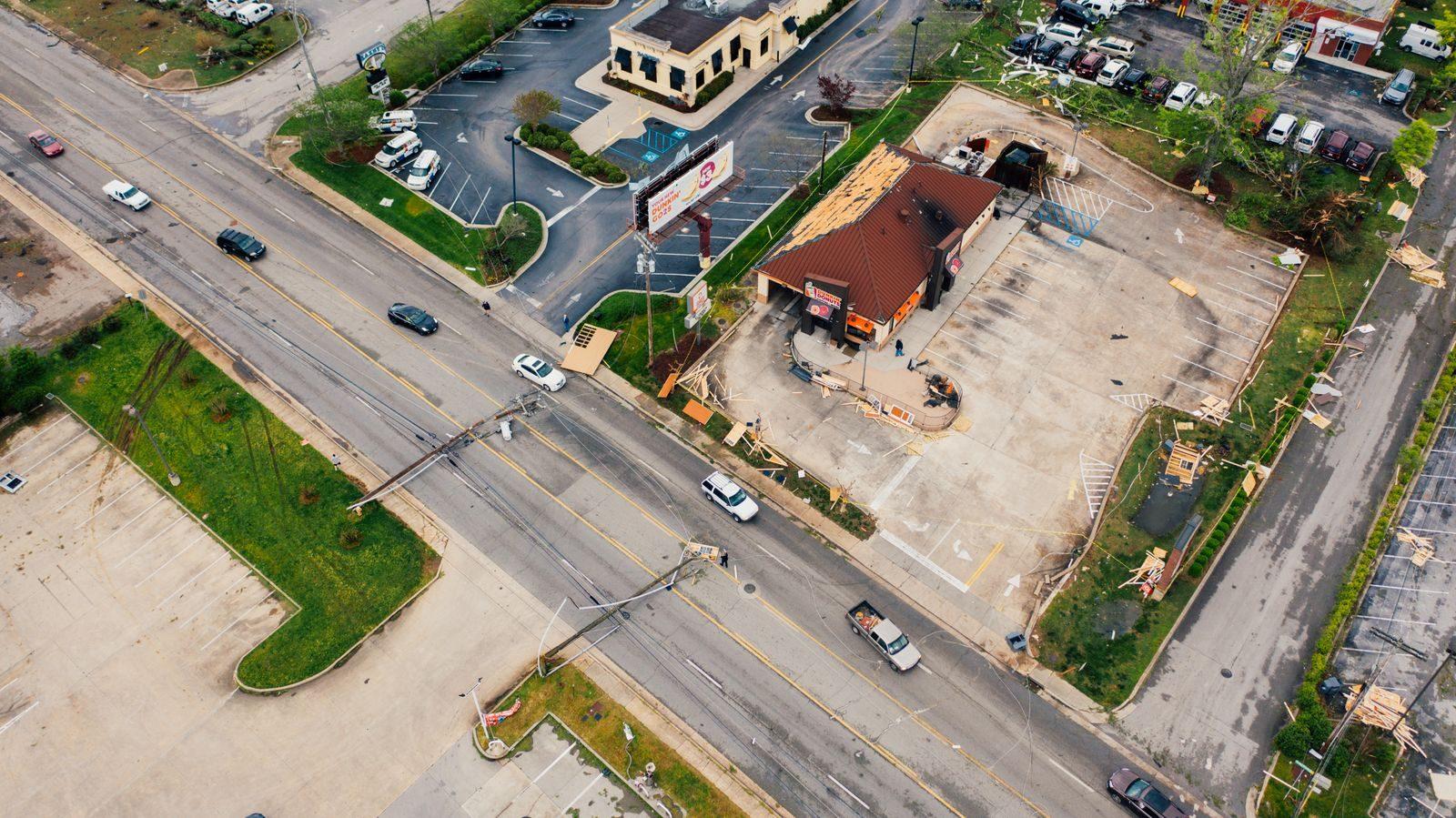
The increasing frequency and intensity of disasters demand urgent action. In 2024 alone, floods affected 217 local government areas across 34 states, displacing over 740,000 people, injuring 2,854, and claiming 321 lives . The situation has become more complex with ongoing insurgency, banditry, and communal conflicts .
The Cost of Unpreparedness
Many SMEs operate without safety nets, emergency funds, or backup systems. The impact of the naira redesign, fuel shortages, and sudden regulatory shifts has demonstrated just how vulnerable small businesses are . For larger organisations, a single disruption can bring critical operations to a halt, eroding customer trust and shareholder confidence.
The Data Loss Reality
As dependence on digital systems grows, so does the risk of disruption. Cyberattacks, hardware failures, human errors, and even natural disasters can wipe out years of critical data . The real question is not whether disruption will happen, but whether your organisation will be ready to recover when it does .
What Is Business Continuity?
Definition
Business continuity is a proactive approach to ensure critical operations continue, even in the face of unexpected disruptions . It is more than just disaster recovery; it encompasses the entire framework for maintaining essential functions during and after a crisis.
Business Continuity vs. Disaster Recovery
| Aspect | Business Continuity | Disaster Recovery |
|---|---|---|
| Scope | Broader; covers all critical operations | Narrower; focuses on IT and data recovery |
| Timing | During and after the disruption | Primarily after the disruption |
| Objective | Keep the business running | Restore systems and data |
| Focus | People, processes, facilities, and technology | Technology and data infrastructure |
ISO 22301: The International Standard
ISO 22301 is the international standard for Business Continuity Management Systems (BCMS) . Certification to this standard demonstrates that an organisation has implemented a comprehensive framework to minimize the impact of disruptions and maintain critical business functions during and after a crisis . Key organisations in Nigeria, such as the Nigeria Inter-Bank Settlement System (NIBSS), maintain BCMS aligned to ISO 22301:2019 to ensure critical business processes are always available .
The Nigeria National Disaster Recovery Plan (NDRP)
The NDRP provides the policy framework for disaster recovery in Nigeria. It aligns with Priority 4 of the Sendai Framework for Disaster Risk Reduction (2015–2030), which focuses on disaster preparedness and recovery . The plan emphasises the need to shift from reactive spending to proactive risk financing that ensures resources are available when disasters strike .
Disaster Risk Financing
The Need for Proactive Risk Financing
Disasters have forced federal, state, and local governments to commit significant resources to emergency relief and recovery efforts . Risk financing reduces governments’ financial exposure by ensuring that resources are available when disasters strike . It involves:
-
Contingency budgeting: Allocating funds for emergency response and recovery
-
Insurance: Transferring disaster risks to the insurance sector, both locally and internationally
-
Public-private partnerships: Collaboration between government and private sector to craft sustainable disaster risk financing strategies
The Role of Insurance
Insurance is a powerful tool for mitigating risks and maintaining socio-economic stability during crises. As the Commissioner for Insurance and CEO of NAICOM noted: “Disaster management is not just about response. It’s about mitigation, preparedness, and recovery” . NAICOM supports the development of a national catastrophic risk strategy, contingency plans, and mechanisms to transfer disaster risks to the insurance sector .
Building a Business Continuity Plan
Step 1: Conduct a Business Impact Analysis (BIA)
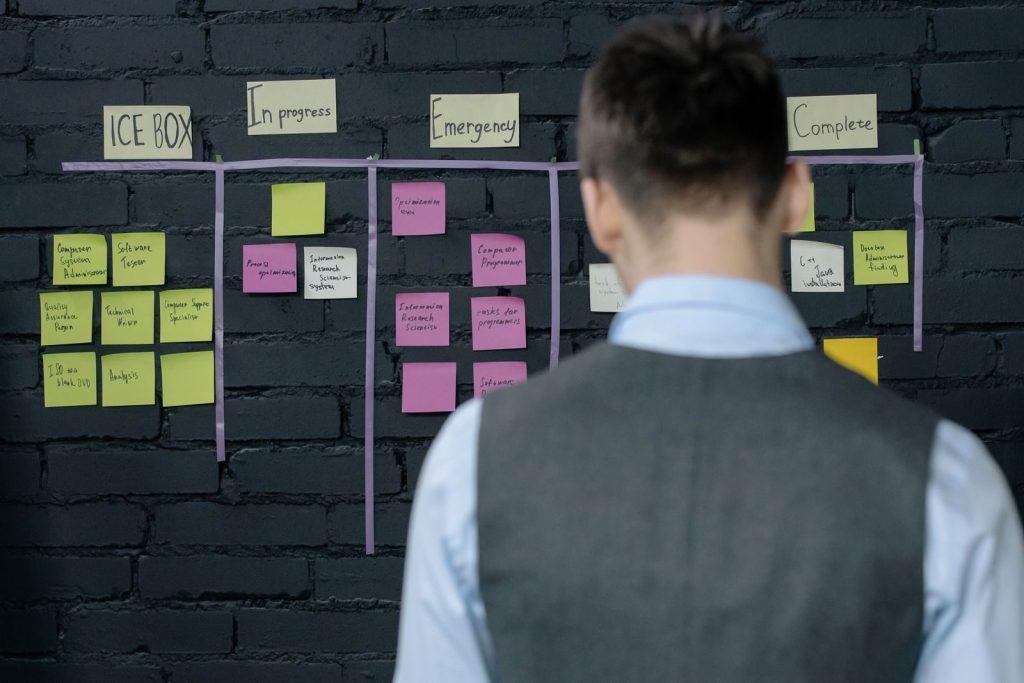
The first step is awareness. SMEs must identify the parts of their business they cannot afford to lose . A Business Impact Analysis doesn’t have to be complex; it is simply listing key products, services, people, and processes, and asking: If this stopped today, how long could I stay afloat?
Key Questions:
-
What are the things your business cannot do without for 24 hours?
-
What would be the financial impact of losing each critical function?
-
What are the operational dependencies?
Step 2: Identify the Risks
In Nigeria, your “monsters” are unique :
| Risk Category | Examples |
|---|---|
| Infrastructure | Power outages, generator breakdown, network failures |
| Staff | Key manager relocates (“Japa”), staff illness |
| Cyber | Hacked business WhatsApp or social media, ransomware |
| Policy | Sudden regulatory shifts, new government directives |
| Economic | Currency volatility, fuel price fluctuations, inflation |
| Natural | Flooding, fire, storm damage |
Step 3: Develop Recovery Strategies
For every risk, document a solution :
Don’t rely on just one source: In a volatile economy, diversification is a survival tactic. Over-dependence on a single supplier, payment method, product, or major client is a fast track to collapse . SMEs should source from more than one vendor, offer multiple payment options (bank transfer, POS, USSD, QR codes), and explore alternative sales channels.
Embrace technology for flexibility: Simple digital tools can make a significant difference during disruptions. SMEs can leverage WhatsApp Business for orders, Google Drive for business records, and diverse digital payment methods to keep operations fluid . Medium-sized businesses can benefit from cloud tools like Microsoft 365 or basic accounting platforms for remote financial tracking .
Build a financial buffer, even if it’s modest: Disruptions come with immediate costs—repairs, stock replacement, salary coverage . A small financial cushion can be the difference between shutting down and staying open. SMEs should set aside a portion of profits monthly, cut back on non-essential spending, and explore cooperative or micro-savings platforms .
Step 4: Establish Response Teams
For larger organisations, the NCC guidelines require the establishment of specific disaster recovery teams :
| Team | Responsibility |
|---|---|
| Crisis Management Team | Supreme decision-making body for disaster response |
| Emergency Response Team | Coordinates response for the critical initial 48 hours |
| Incident Management Team | Identifies, reports, and resolves incidents |
| Business and Technical Recovery Team | Conducts recovery of business operations and systems |
| Business Continuity Team | Coordinates recovery teams and notifies the crisis management team |
| Damage Assessment Team | Assesses damage to premises and coordinates with insurance firms |
| Communications Team | Sole source of communication for internal and external parties |
| Administration and Staff Welfare Team | Coordinates logistics for recovery team staff |
Step 5: Document and Communicate the Plan
A disruption often escalates because teams are unsure what to do . The plan does not need to be technical; it can be a simple checklist outlining steps for common disruptions like payment platform failures, staff absence, or inflation-driven price hikes . What matters is clarity:
-
Who to contact first?
-
What are the backup options?
-
Where are essential documents stored?
-
How do we notify customers and partners?
The plan must be shared, understood, and easy to activate by staff, partners, and vendors .
Step 6: Train Your People
A plan is useless without people who can execute it . Operations should not pause just because the founder is unavailable . SMEs must cross-train staff, enabling them to step into each other’s roles. This includes :
-
Creating a basic crisis communication plan (who notifies customers/partners)
-
Sharing access to key tools with trusted team members
-
Fostering a culture of responsibility
-
Developing leadership depth
Step 7: Test and Review
Disaster recovery is not a one-time setup but an ongoing process of monitoring, simulation, and adaptation . Regular testing ensures that recovery time objectives are realistic and that systems perform as expected under stress. The NCC guidelines require every network facilities and service provider to design a disaster recovery test execution team to test the plan .
The Role of Digital Infrastructure
Data Centres and Disaster Recovery
As data becomes the lifeblood of governance, commerce, and innovation, the need for robust digital infrastructure is paramount. Nigeria’s leading digital infrastructure providers, such as Galaxy Backbone, have invested in Tier III and Tier IV data centres in Abuja and Kano, built to international standards with fault-tolerant architecture and comprehensive disaster recovery frameworks .
Key Capabilities of Modern Data Centres:
-
Secure off-site replication: Protecting data from localised disruptions
-
High-availability systems: Ensuring continuous operation
-
Rapid failover capabilities: Switching to backup systems seamlessly
-
Sovereign control: Keeping data under Nigeria’s jurisdiction
Business Continuity Management Systems (BCMS)
A BCMS is a framework that ensures critical business processes are always available and that organisations are prepared to minimise the impact of disruptions . Core elements include:
-
Business Impact Analysis to identify time-critical activities
-
Process Risk Assessment to identify potential threats
-
Recovery strategies to respond to and recover from incidents
-
Regular testing and review of business continuity and disaster recovery plans
Cybersecurity and Business Continuity
With growing dependence on digital technologies, the contemporary business environment is becoming more susceptible to cyber threats, especially family-owned businesses which in most cases have loosely organised cybersecurity systems . Family-owned businesses in developing economies are the most vulnerable to cyber-attacks and often operate informal structures which are not well equipped to survive external cyber threats .
Key Cybersecurity Considerations:
-
Risk identification: Identifying potential cyber threats
-
Threat assessment: Evaluating the likelihood and impact of cyber threats
-
Incident response planning: Developing procedures to respond to cyber incidents
-
Recovery strategies: Restoring systems and data after a cyber incident
Affirming business continuity theory and protection motivation theory, cybersecurity risk management ensures business detects, evaluates, and reduces possible threats while maintaining operations during and after disruptions .
How Qeeva Advisory Helps with Business Continuity
At Qeeva Advisory, we understand that building business continuity and disaster recovery capabilities can be complex. Our team of experienced professionals helps Nigerian businesses develop robust continuity plans, implement risk management frameworks, and build resilience against disruptions.
Our Core Services
Business Strategy Consulting Services – We help you develop comprehensive business strategies that incorporate resilience and risk management as core elements. We stand shoulder-to-shoulder with our clients, offering an invigorating perspective essential for pinpointing areas that necessitate change .
Advisory Services Nigeria – Our advisory professionals help you understand business continuity requirements, develop robust plans, and implement best practices.
Risk Management – We help you identify and manage risks associated with business disruptions, including operational, financial, and cyber risks.
Financial Advisory Services – We provide financial restructuring advisory and strategic planning support to help businesses navigate crises and build resilience.
Cost Management Services – We help businesses implement cost management systems that ensure budget discipline and create financial buffers for unexpected disruptions.
Frequently Asked Questions
Q: What is the difference between business continuity and disaster recovery?
A: Business continuity is a proactive approach to ensure critical operations continue during and after disruptions. Disaster recovery is a subset focused specifically on restoring IT systems and data.
Q: What is ISO 22301?
A: ISO 22301 is the international standard for Business Continuity Management Systems (BCMS). It provides a framework for minimising the impact of disruptions and maintaining critical business functions.
Q: Why do most Nigerian SMEs fail within five years?
A: According to SMEDAN, only 5 to 20 percent of Nigerian SMEs make it past the five-year mark. Common reasons include lack of continuity planning, single points of failure, no financial buffers, and unpreparedness for disruptions .
Q: What is risk financing?
A: Risk financing is a proactive approach to ensuring financial resources are available when disasters strike. It includes contingency budgeting, insurance, and public-private partnerships .
Q: What are the key components of a business continuity plan?
A: Key components include Business Impact Analysis, risk identification, recovery strategies, response teams, documented plans, staff training, and regular testing.
The Bottom Line
Business continuity and disaster recovery are not optional—they are essential for survival. In a rapidly changing environment of fuel price fluctuations, currency volatility, regulatory shifts, and increasing cyber threats, businesses that fail to plan are planning to fail.
Key Takeaways:
Understand the Difference: Business continuity keeps you working during a disruption; disaster recovery restores your systems after one.
Build a Plan: Start with a Business Impact Analysis, identify your risks, develop recovery strategies, document your plan, train your people, and test regularly .
Diversify Your Sources: Don’t rely on just one supplier, payment method, client, or person. In a volatile economy, diversification is a survival tactic .
Embrace Technology: Simple digital tools can make a significant difference during disruptions. Cloud storage, digital payments, and remote work tools keep you operational .
Build a Financial Buffer: Even a modest financial cushion can be the difference between shutting down and staying open .
Your job is to be prepared. Understand the risks facing your business. Build a continuity plan. Train your people. Test your systems. Seek professional guidance.
With the right approach and the right partner, you can turn business continuity from a compliance exercise into a strategic advantage for resilience and growth.
Suggested Reading from Our Blog
Audit Readiness Guide for Auditees – A resilient organisation is an audit-ready one. This guide covers the importance of strong internal controls, which are critical for maintaining business continuity during a disruption.
Corporate Governance in Nigeria: SEC Directives on INEDs and Tenure Limits – Understand the SEC’s landmark 2025 circular prohibiting the transmutation of Independent Non-Executive Directors into executive roles and the new tenure limits for directors of public companies and capital market operators. This ruling fundamentally reshapes board composition and succession planning in Nigeria.
SEC Issues New Corporate Governance Directives: A Guide for Boards – A practical guide to the SEC’s June 2025 directives, including the three-year cooling-off period for CEOs transitioning to Chairman roles, the ban on INED transmutation, and the 10-year and 12-year tenure limits. Essential reading for boards navigating compliance requirements.
The Role of Independent Non-Executive Directors in Nigerian Corporate Governance – Explore the critical role of INEDs in providing objective oversight, challenging executive management, and upholding board integrity. This article examines the SEC’s push to preserve INED independence and the implications for board effectiveness.
Reference Links / Sources
NEMA – Disaster Risk Financing Workshop – NEMA’s advocacy for risk financing mechanisms, 2024 flood statistics, and alignment with the Sendai Framework
BusinessDay – How Nigerian SMEs can build continuity plans that thrive – SME statistics (96% of businesses, 48% GDP, 84% employment), six lessons for building continuity plans, and practical SME strategies
NCC – Guideline on Disaster Recovery – Detailed disaster recovery framework for network facilities and service providers including crisis management systems, risk assessment, recovery strategies, and team structures
Galaxy Backbone – Disaster Recovery for Digital Assets – ISO 22301 certification, Tier III and IV data centres, and the importance of continuous testing
NIBSS – ISO 22301 Business Continuity Management System Policy Statement – NIBSS commitment to ISO 22301:2019 BCMS and business continuity principles
Matog Consulting – Business Continuity Planning for Unexpected Crises in Nigeria – SMEDAN statistics, “fire brigade” management critique, practical steps for SMEs, and the 5-20% survival rate
UWE – Cybersecurity Risk Management and Business Continuity of Family-Owned Businesses – Family-owned business vulnerability to cyber threats and cybersecurity risk management integration model
LBS – SIMS Nigeria Limited: Navigating Disruption & Forging Resilience Case Study – Real-world example of business continuity and resilience after devastating inferno
Qeeva Advisory – Business Strategy Consulting Services – Qeeva’s business continuity and strategy consulting services
Let’s Talk About Your Business Continuity Needs
Building business continuity and disaster recovery capabilities can be complex. At Qeeva Advisory, we understand the challenges faced by Nigerian businesses in preparing for and recovering from disruptions.
Whether you need help with continuity planning, risk management, or recovery support, we are here to support you.
📞 Call us: (+234) 802 320 0801, (+234) 807 576 5799
📧 Email: info@qeeva.com
📍 Visit us: 5, Ishola Bello Close, Off Iyalla Street, Alausa, Ikeja, Lagos, Nigeria
Contact us today to schedule a consultation. Let us help you build business continuity with confidence.
Your journey to resilience starts with a conversation. Let’s talk.