Customer Segmentation for Better Results
For many Nigerian business owners, the instinct is to cast the widest possible net. They believe that the more people they try to reach, the more customers they will get. It seems logical. But in practice, it is a recipe for wasted resources, diluted messaging, and missed opportunities.
The truth is that trying to appeal to everyone is the fastest way to appeal to no one. The Country Head of Zoho Nigeria put it plainly: “The internet offers endless reach, but success often lies in narrowing your focus. Instead of trying to appeal to everyone, identify a specific audience whose needs you understand deeply”.
This is the essence of customer segmentation. It is not about excluding people. It is about understanding who your ideal customers are and speaking directly to them. In Nigeria’s noisy, competitive market, segmentation is not optional. It is strategic. Businesses that segment accurately tend to outperform those that use one-size-fits-all approaches.
This guide explores what customer segmentation is, why it matters for Nigerian businesses, the common pitfalls to avoid, and practical steps you can take to segment your customers for better results.
The Pain Points: Why Nigerian Businesses Struggle with Segmentation
Let us be honest. Most business owners know they should segment their customers, but they do not. Here is why:
The “Everyone Is My Customer” Trap. Many Nigerian businesses believe that their target market is everyone in Nigeria. This is a dangerous assumption. A strategy that works for Gen Z consumers in Lekki will not work for distributors in Kano. Businesses fail because they spread their limited marketing budget too thin, trying to be everywhere instead of dominating one segment first. This is not a strategy—it is a shortcut to mediocrity.
The Guesswork Habit. Many entrepreneurs rely on intuition rather than data. They make assumptions about who their customers are and what they want. But as one expert noted, “Too often, they rely on anecdotes and fall prey to preconceived notions and biases”. Without data, segmentation is guesswork.
The Resource Constraint. Limited knowledge of the importance of big data customer insights for making concrete market segmentation decisions is a major challenge. Limited resources force businesses to cut back on expenditures for market research tools, which results in relying on instincts or incomplete data. Many small businesses simply do not know where to start.
The Data Collection Challenge. Many Nigerian SMEs are chronically data-deficient. Most rely on manual recordkeeping and have no systematic way of collecting or analysing customer information. Without data, segmentation is impossible.
The Fear of Narrowing. Some business owners worry that by focusing on a specific segment, they will leave money on the table. They fear missing out on customers who do not fit their ideal profile. But the opposite is true. Niche targeting allows you to tailor your message, pricing, and product experience while building loyalty and credibility in markets where advertising budgets are limited.
The Implementation Gap. Even when businesses understand segmentation, they struggle to implement it effectively. They may have customer data but lack the skills or tools to analyse it. They may identify segments but fail to tailor their marketing accordingly. The gap between knowing and doing is wide.
These pain points are real, but they are not insurmountable. With the right approach and the right tools, any Nigerian business can segment its customers for better results.
What Is Customer Segmentation?
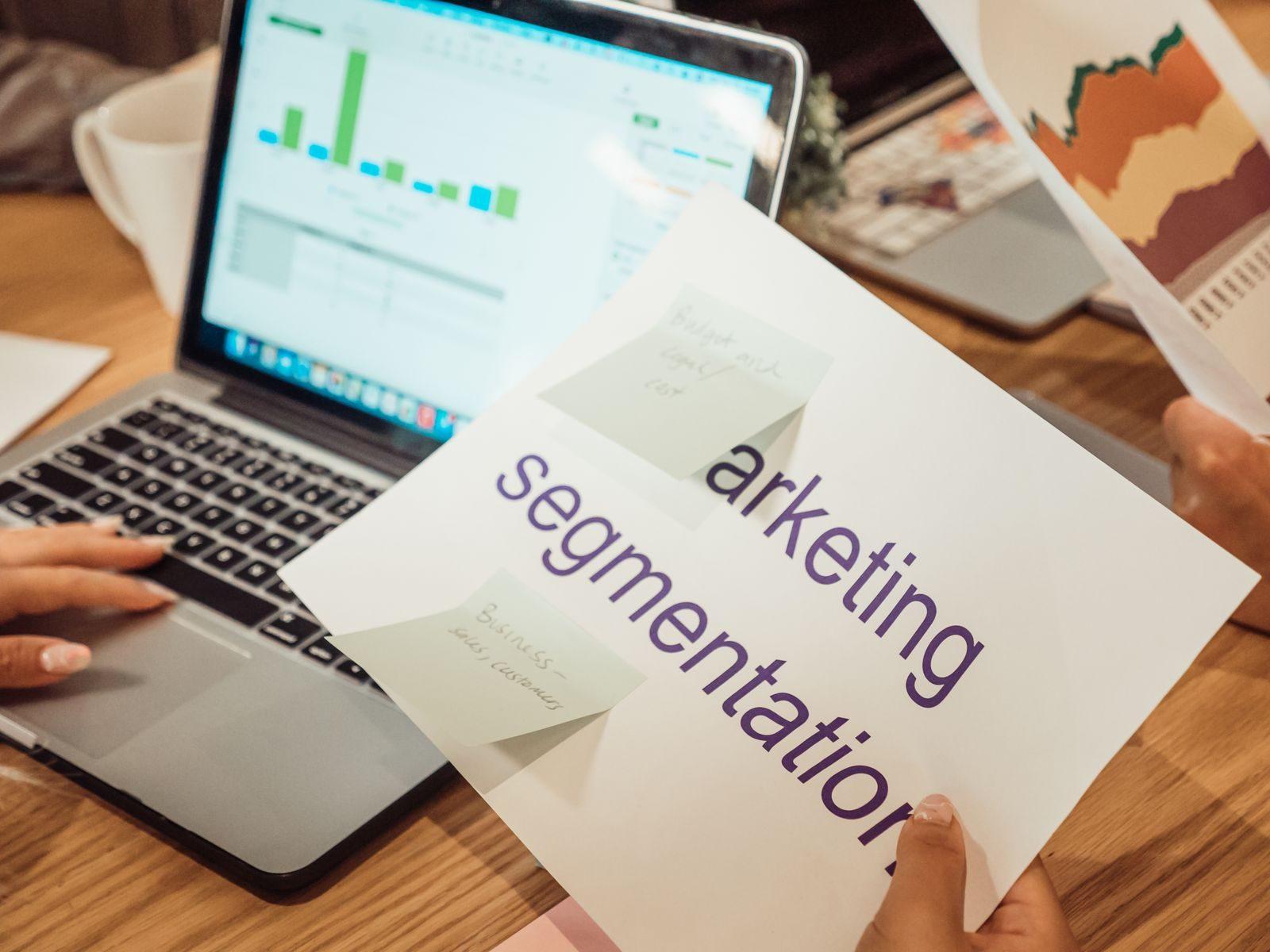
Customer segmentation is the process of dividing a broad consumer market into smaller, distinct groups of consumers who have shared characteristics, needs, or buying behaviours. In Nigeria’s dynamic and diverse context, marked by significant socioeconomic variation, urban-rural divides, and cultural diversity, segmentation is not optional—it is strategic.
The goal is simple: instead of treating all customers the same, you treat different groups differently. You tailor your products, pricing, distribution, and communication strategies to each segment. This allows you to reach customers more effectively and build stronger relationships.
Segmentation is not a one-time exercise. It is an ongoing process of understanding your customers, identifying changes in their behaviour, and adjusting your approach accordingly. As one expert noted, “Consumer behaviour helps to categorize your target audience into different groups which enables you to identify their needs, stay ahead of the market trends, and to provide distinctive customer service”.
Types of Customer Segmentation
FMCG companies operating in Nigeria typically segment their markets using a mix of the following dimensions:
Demographic Segmentation
This involves classifying consumers based on age, gender, income, education, household size, and employment status. It is the most common and accessible form of segmentation. Research shows that respondents acknowledge the importance of demographic factors, notably gender-based segmentation, in tailoring marketing strategies and identifying new market opportunities.
Income levels are particularly important in Nigeria. With high inflation and constrained purchasing power, price sensitivity is critical. Lower-income groups represent a mass market for economy packs and smaller unit sizes such as sachets, while higher-income consumers purchase premium products. Studies have found that middle-income earners are now the most price-sensitive segment, ahead of both high-income and low-income earners.
Age groups also matter. Young adults and teens show demand for energy drinks and confectionery, while older consumers may prioritise basic staples like powdered milk and cooking ingredients.
Geographic Segmentation
Nigeria’s diversity across regions affects language, culture, climate, infrastructure access, and consumption patterns. Urban centres such as Lagos, Abuja, and Port Harcourt show higher consumption of packaged and processed foods, while rural areas may rely more on traditional staples.
Climate and cultural influences shape demand. Beverage demand peaks in the hotter states of the North, while specific foods may be preferred in certain regions. When Flour Mills of Nigeria introduced Semovita, the product scaled in the Northern and South-West regions but faced challenges in the South-East and South-South due to cultural differences. Geographic segmentation helps companies focus resources effectively to build emerging markets while making waves in established regions.
Research has confirmed that there is a significant relationship between geographical market segmentation and SME performance in Nigeria.
Psychographic Segmentation
This type considers lifestyle, values, attitudes, and personality traits. Urban, educated young adults may prefer lifestyle brands, such as premium cosmetics or functional beverages. Health-conscious consumers increasingly drive demand in categories like cooking fats alternatives, fortified foods, or hygiene products.
Studies show that psychographic factors strongly influence competitiveness and product sustainability for FMCG brands in Nigeria, as aligning with values and lifestyles enhances loyalty.
Behavioural Segmentation
This focuses on consumer purchasing behaviour, including usage rates, brand loyalty, price sensitivity, and shopping occasions. Heavy users represent core revenue drivers. Given inflationary pressures, many Nigerians prioritise affordable quantities and value-for-money products, such as sachets of shampoo or detergent. Some consumers seek convenience, while others want health-oriented products, creating separate sub-segments.
Channel-Based Segmentation
FMCG companies must also consider how different segments prefer to shop. Some customers prefer traditional open markets, others favour modern retail outlets, and an increasing number are turning to e-commerce platforms. With over 103 million internet users and a rapidly expanding online retail space, Nigeria’s e-commerce landscape is witnessing unprecedented growth.
The Nigerian Consumer Landscape: What You Need to Know
Understanding the Nigerian consumer is essential for effective segmentation. The landscape is changing rapidly:
Consumers Are More Strategic and Less Loyal. Industry value grew 54.1 per cent in 2025, driven by stronger transaction volumes and selective spending. According to NielsenIQ research, 70 per cent of local consumers switched brands over the past year due to price increases. If you want to reach customers, you need to care most about their top three concerns: price, convenience, and proximity.
The Market Is Splitting into Two Distinct Consumer Economies. On one side is a smaller, income-stable segment that is still spending and, in some cases, trading up. On the other side is the mass-market consumer, adjusting in three ways at once. This means that a one-size-fits-all approach will fail to capture either segment effectively.
Young Consumers Are Driving Digital Adoption. Gen Z is driving increased adoption of digital payments and online shopping, with nearly one in four Nigerians now buying goods via e-commerce platforms. The majority of Nigerian consumers are young adults aged between 18 and 34 years.
Generational Differences Matter. Gen X prefer purchasing a smaller quantity of items, but of superior quality. Gen Z pick their travel destinations based on the quality of shopping there. Younger generations look forward to having more spare time.
Fresh Staples Lead Food Purchases. Sixty-one per cent of households buy items such as potatoes, tomatoes, and onions each month. Fresh produce leads Nigeria’s food purchases.
Consumers Are Becoming More Deliberate. Nigerian shoppers in particular are becoming more deliberate about spending decisions as operating costs rise. This means that businesses must work harder to demonstrate value.
Practical Steps for Customer Segmentation
Step 1: Know Your Customers Inside Out
The foundation of effective segmentation is understanding your customers. This means moving beyond assumptions and gathering real data. Segment your audience based on location, income, preferences, and buying habits. Ask questions directly, use simple surveys, informal conversations, or community interactions.
What to Do:
Collect data on your existing customers
Use surveys, interviews, and feedback forms
Analyse purchase history and behaviour
Understand why customers choose you and why they leave
Pain Point: Many businesses collect data but do not know how to analyse it. Start simple. Even basic demographic information can reveal important patterns.
Step 2: Choose Your Battlefield
You cannot be everywhere at once. Choose one or two key segments to focus on first. Perfect your offering for those segments before expanding. Build strong relationships within your chosen segments.
What to Do:
Identify the segments with the highest potential
Focus your resources on dominating one segment first
Tailor your product, pricing, and messaging to that segment
Build deep relationships before expanding
Pain Point: Many businesses try to serve too many segments at once. This dilutes their efforts and prevents them from truly understanding any single segment.
Step 3: Use Data to Understand Behaviour
Every click, search, and abandoned cart tells a story. Tracking customer behaviour through analytics dashboards or feedback forms can reveal why shoppers drop off and what keeps them coming back. Data-driven decisions help eliminate guesswork and improve user experience.
What to Do:
Set up analytics to track customer behaviour
Use feedback forms to understand satisfaction and pain points
Identify patterns in purchase behaviour
Use data to refine your understanding of segments
Pain Point: Many businesses collect data but do not act on it. Data without action is just noise.
Step 4: Tailor Your Message
Once you have identified your segments, tailor your marketing messages to each one. Recognise each audience cluster’s values, problems, language, and customs. You go from noise to influence in this way.
What to Do:
Create different messages for different segments
Use the language and imagery that resonates with each segment
Address the specific pain points of each segment
Test and refine your messages
Pain Point: Many businesses use the same message for all customers. This is inefficient and ineffective.
Step 5: Use Multiple Channels
Use multiple channels to reach different customer segments. Some segments prefer physical channels, others prefer digital, and many prefer a hybrid approach. Meet your customers where they are.
What to Do:
Identify which channels your segments prefer
Invest in the channels that reach your target segments
Ensure consistency across channels
Test new channels and refine your approach
Pain Point: Many businesses invest in channels that do not reach their target segments. Understanding channel preferences is essential.
Step 6: Test and Refine
Segmentation is not a one-time exercise. It requires ongoing testing, learning, and refinement. Use focus groups, A/B testing, and post-purchase feedback systems to keep abreast of market developments.
What to Do:
Test your segmentation assumptions
Use A/B testing to refine messages
Collect feedback from customers
Continuously refine your segments
Pain Point: Many businesses treat segmentation as a one-off exercise. Consumer behaviour changes, and segmentation must keep pace.
Step 7: Invest in AI and Technology
AI-driven CRM tools can significantly enhance the sustainable growth of Nigerian SMEs. SMEs should use AI tools for effective customer segmentation as understanding distinct customer groups can help them personalise their offerings, target specific markets, and increase engagement, resulting in better sales and customer loyalty. AI algorithms can examine client information, inclusive of past purchases, surfing records, and social media interest, to supply noticeably personalized content, hints, and product pointers.
What to Do:
Invest in CRM tools that enable segmentation
Use AI to analyse customer data and identify patterns
Automate personalised communications
Continuously refine your segmentation based on AI insights
Pain Point: Many businesses are intimidated by technology. Start with simple tools and build from there.
Real-World Examples of Segmentation in Nigeria
Cowrywise: Segmenting the Next Ten Million Customers
Cowrywise is a Nigerian fintech company founded in 2017. Its mission was to democratise access to savings and investment products for Nigeria’s young adults and emerging middle-class demographic. This empowered middle-income earners who, until then, had limited options due to traditional investment firms primarily catering to high-net-worth individuals.
By leveraging technology, Cowrywise quickly grew to over one million customers, driven by strategies such as financial education, referral programs, and campus ambassador communities. The company uses RFM customer segmentation and K-Means clustering for customer segmentation to analyse customer activity and provide personalised financial solutions.
Zenith Bank: Sophisticated Segmentation for 40 Million Retail Customers
Zenith Bank added 2.3 million retail customers in 2025, taking its domestic retail customer base to 40.1 million, supported by a more sophisticated segmentation strategy covering children, young adults, seniors, and merchants.
Flour Mills of Nigeria: Geographic Segmentation
When Flour Mills of Nigeria introduced Semovita, the product scaled in the Northern and South-West regions but faced challenges in the South-East and South-South due to cultural differences. Geographic segmentation helped the company focus its resources effectively to build emerging markets while making waves in established regions.
How Qeeva Advisory Helps
At Qeeva Advisory, we understand that customer segmentation is the foundation of effective marketing and sustainable business growth. We work with businesses of all sizes to identify, understand, and reach their most valuable customers.
Our Market Segmentation Services help you discover and analyse consumer perceptions, practices, entrenched motivations, and behaviours in order to come up with better and more effective marketing communications. We provide highly detailed and creative market segmentation solutions for businesses seeking to identify their customers.
For businesses needing to understand the broader consumer landscape, our Market Research Services provide deep insights into consumer behaviour, market trends, and competitive dynamics.
Our Consumer Sentiment insights help you unlock growth through behavioural data, understanding what your customers are really thinking and feeling.
Our Advisory Services provide strategic guidance for interpreting segmentation findings and developing go-to-market strategies that work.
We also offer Brand Identity and Design to help you create a brand that resonates with your target segments. Consumer Segmentation Research helps define the broad target market and then subdivide it in the light of demographic, psychographic and behavioural characteristics.
Our Service Methodology
We do not offer generic solutions. Our methodology is designed to be thorough, transparent, and actionable, ensuring that your segmentation initiatives are grounded in market realities and positioned for long-term success.
Step 1: Consumer Insight Discovery
We begin by understanding your business goals and the market landscape. We conduct in-depth research to uncover consumer perceptions, practices, entrenched motivations, and behaviours. We identify the key dimensions that differentiate your customers and reveal meaningful segments.
This step is powered by our Market Research Services and Consumer Sentiment insights.
Step 2: Segmentation Strategy Development
Based on the research, we help you develop a comprehensive segmentation strategy tailored to your business size, industry, and goals. This includes identifying target segments, defining segment profiles, and prioritising segments based on potential value and strategic fit.
This step is powered by our Market Segmentation Services .
Step 3: Go-to-Market Strategy Design
We help you tailor your products, pricing, distribution, and communication strategies to each target segment. We ensure that your marketing messages resonate with each segment’s unique needs, values, and behaviours.
This step is powered by our Advisory Services and Brand Identity and Design .
Step 4: Implementation Support and Monitoring
We help you implement your segmentation strategy—from training your team to establishing monitoring and evaluation mechanisms. We provide ongoing support to ensure your segmentation remains effective as consumer behaviour evolves.
This step is powered by our Advisory Services .
Step 5: Continuous Refinement
We provide ongoing support to ensure your segmentation strategy remains effective as your business grows and consumer behaviour changes. This includes regular reviews, updates, and guidance on emerging trends.
This step is powered by our Market Research Services and Consumer Sentiment insights.

Frequently Asked Questions
Q: What is customer segmentation?
A: Customer segmentation is the process of dividing a broad consumer market into smaller, distinct groups of consumers who have shared characteristics, needs, or buying behaviours. It allows you to tailor your products, pricing, and marketing to different customer groups.
Q: Why is customer segmentation important for Nigerian businesses?
A: Nigeria’s market is diverse and complex, with significant socioeconomic variation, urban-rural divides, and cultural diversity. Businesses that segment accurately tend to outperform those that use one-size-fits-all approaches.
Q: What are the main types of customer segmentation?
A: The main types are demographic segmentation (age, gender, income, education), geographic segmentation (region, urban/rural), psychographic segmentation (lifestyle, values, attitudes), behavioural segmentation (purchase behaviour, usage rates, brand loyalty), and channel-based segmentation.
Q: How do I start segmenting my customers?
A: Start by collecting data on your existing customers. Use surveys, interviews, and feedback forms. Analyse purchase history and behaviour. Choose one or two key segments to focus on first. Tailor your product, pricing, and messaging to those segments.
Q: What are the most common segmentation mistakes?
A: Common mistakes include trying to appeal to everyone, relying on guesswork instead of data, failing to collect and analyse customer data, fearing to narrow your focus, and treating segmentation as a one-time exercise rather than an ongoing process.
Q: How can Qeeva Advisory help my business with customer segmentation?
A: Qeeva Advisory provides comprehensive segmentation support including demographic, psychographic, behavioural, and geographic segmentation. Our Market Segmentation Services help businesses of all sizes identify and reach their most valuable customers.
The Bottom Line
Customer segmentation is not a luxury for large corporations—it is a necessity for every Nigerian business. In a market where 70 per cent of consumers switch brands due to price, where the market is splitting into two distinct consumer economies, and where young, digitally-native consumers are reshaping the landscape, trying to appeal to everyone is a recipe for failure.
The numbers are clear. Seventy per cent of local consumers switched brands over the past year due to price increases. The industry grew 54.1 per cent in value, driven by selective spending. Businesses that segment accurately outperform those that use one-size-fits-all approaches.
The key is to be intentional, not reactive. Know your customers inside out. Choose your battlefield. Use data to understand behaviour. Tailor your message. Use multiple channels. Test and refine. Invest in AI and technology.
With the right approach and the right support, any Nigerian business can segment its customers for better results.
The choice is yours.
Suggested Reading from Our Blog
Explore these related articles to deepen your understanding of customer segmentation and business growth:
Understanding Consumer Behavior: A Guide for Marketers – Learn how to analyse and understand consumer behaviour for better marketing results.
Pricing Strategies That Improve Profit Margins in Nigeria – Understand how to price your products effectively for different customer segments.
Identifying Untapped Local Markets in Nigeria – Learn how to find and enter markets that competitors have overlooked.
Related Services
We offer specialised services to help businesses segment their customers and build effective marketing strategies:
Market Segmentation Services – Discover and analyse consumer perceptions, practices, entrenched motivations, and behaviours for better marketing communications.
Market Research Services – Deep insights into consumer behaviour, market trends, and competitive dynamics.
Consumer Sentiment – Unlock growth through behavioural data and customer insights.
Advisory Services – Strategic guidance for interpreting segmentation findings and developing go-to-market strategies.
Brand Identity and Design – Create a brand that resonates with your target segments.
Let’s Talk About Your Customer Segmentation
Customer segmentation is not just about dividing customers into groups—it is about building a business that can compete and win. At Qeeva Advisory, we take the time to understand your unique business and develop segmentation strategies that work for you.
Whether you need help with market research, segmentation analysis, or strategic advisory, our team is here to support you.
📞 Call us: (+234) 802 320 0801, (+234) 807 576 5799
📧 Email: info@qeeva.com
📍 Visit us: 5, Ishola Bello Close, Off Iyalla Street, Alausa, Ikeja, Lagos, Nigeria
Contact us today to schedule a complimentary consultation. We would love to hear about your business and explore how we can help you segment your customers for better results.
Your journey to better customer segmentation starts with a conversation. Let’s talk.
Reference Links / Sources
Customer Segmentation Services Nigeria – Qeeva
Brand Identity and Design Nigeria – Qeeva
Demystifying Market Research: A Guide for Business Owners – Qeeva
Consumer Sentiment Archives – Qeeva
Brand loyalty wanes as six in ten Nigerians switch products – NielsenIQ – BusinessDay NG
Nigeria – Consumer Lifestyles – Euromonitor International
Cowrywise customer segmentation: Segmenting the next ten million customers – Data In Nigeria
Zenith Bank adds 2.3m retail customers in one year – Punch NG