
Identifying Untapped Local Markets in Nigeria
For decades, the Nigerian business story has been written in Lagos, Abuja, and Port Harcourt. These cities have dominated headlines, attracted investment, and shaped the narrative of what success looks like in Africa’s largest economy.
But that story is changing.
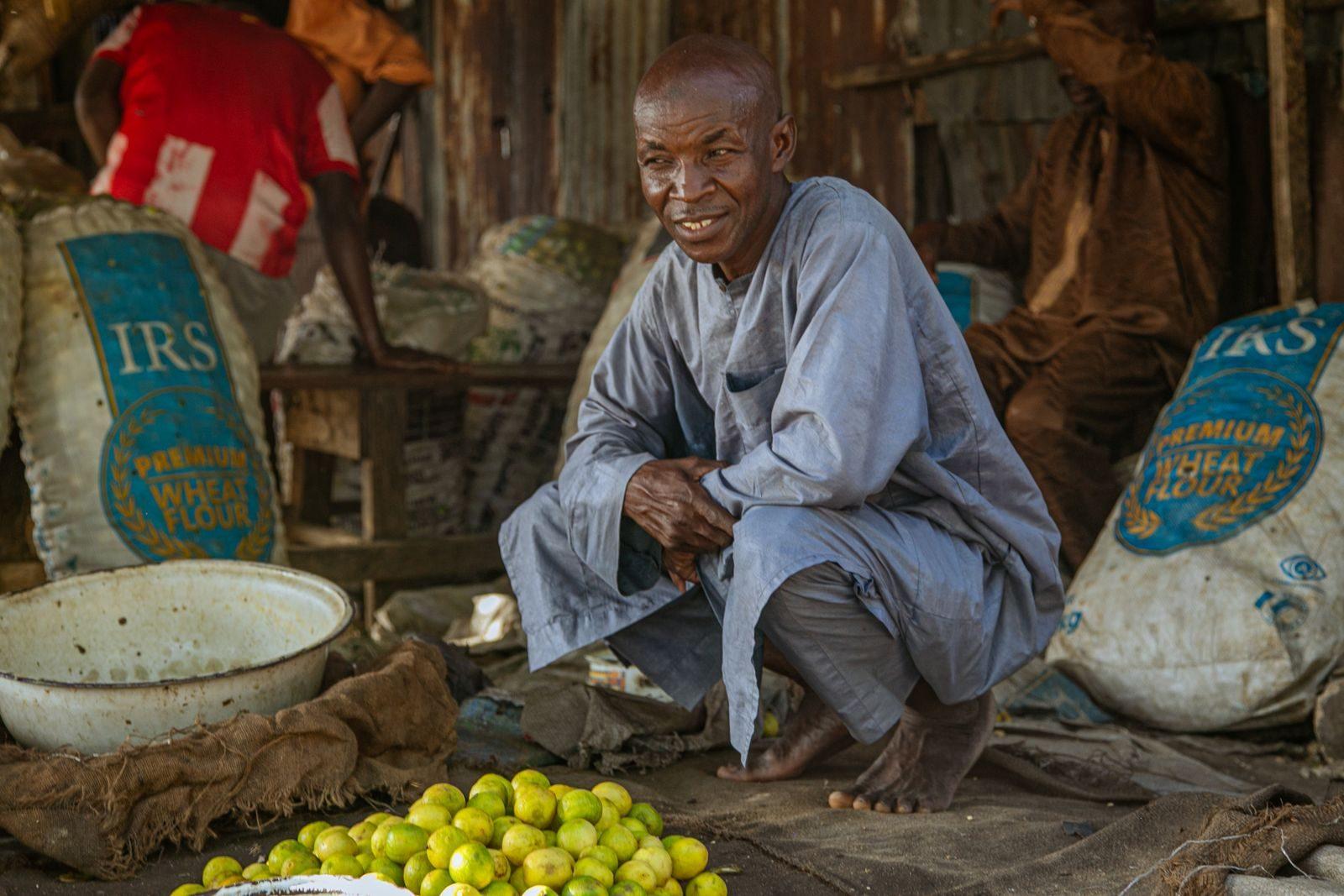
A quiet revolution is taking place across Nigeria’s secondary cities, towns, and rural communities. From the bustling fashion clusters of Aba to the rising tech ecosystems of Enugu and Kaduna, from the informal food economy of motor parks to the industrial potential of every local government area, businesses are finding success far beyond the traditional urban centers.
The numbers tell a compelling story. Over half of Jumia orders now come from secondary cities and remote areas. Rural regions account for nearly half of all packages delivered on the Jumia platform. International hotel brands like Marriott, Radisson, and Hilton are expanding into cities like Ikot Ekpene, Benin City, Warri, and Owerri. The Federal Government is planning to identify at least one exportable product in each of Nigeria’s 774 local government areas.
This guide explores how to identify untapped local markets in Nigeria, the opportunities that exist in these emerging markets, and what you need to know to thrive in Africa’s next growth frontier.
The Pain Points: Why Businesses Miss Local Market Opportunities
Let us be honest. Most business owners know they should explore local markets beyond the major cities, but they do not. Here is why:
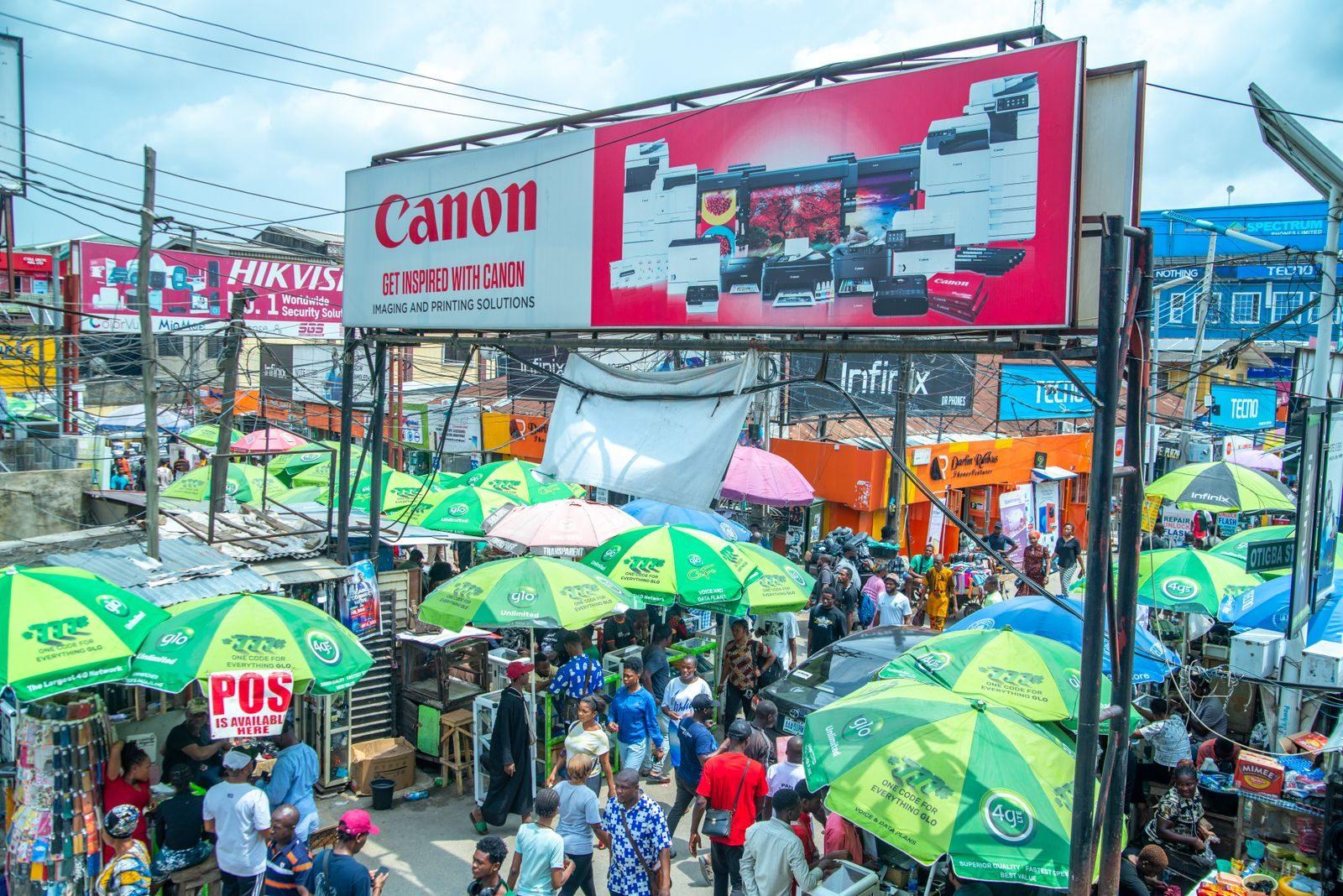
The “Lagos Bubble” Trap. Lagos accounts for more than 60 percent of Nigeria’s manufacturing output and has an ecosystem that is 11.8 times larger than Abuja’s, the next most prominent city. Many businesses assume that if they succeed in Lagos, they have conquered Nigeria. But Lagos is not Nigeria—it is a unique ecosystem with its own dynamics that do not necessarily translate to other regions.
The Information Gap. Many businesses simply do not know what they do not know. They are unaware of the economic potential of secondary cities, the purchasing power of rural consumers, or the unique needs of local markets. Without data and insights, they default to what they know.
The Infrastructure Fear. Poor roads, erratic power supply, and inconsistent connectivity are real challenges in many local markets. But these challenges are not insurmountable—and the businesses that find creative solutions gain first-mover advantage.
The “We Are Too Small” Fallacy. Many SMEs believe that exploring local markets is only for large corporations with big budgets. They do not realize that the principles of market identification scale down just as effectively as they scale up—and that smaller businesses often have a natural advantage in building local relationships.
The Perception Problem. Many businesses perceive local markets as “too poor” or “too risky.” But the evidence tells a different story. Over 7–10 million Nigerians now earn income through digital microbusinesses—many earning more than their counterparts in the formal retail sector. The informal economy is not just survival—it is a vibrant ecosystem of innovation and adaptation.
The Trust Deficit. Without local presence and local relationships, businesses struggle to build trust in new markets. Consumers in these areas prefer brands that truly understand and respect their unique identities.
These pain points are real, but they are not insurmountable. With the right approach and the right support, any business can identify and enter untapped local markets in Nigeria.
How to Identify Untapped Local Markets
1. Follow the Infrastructure
Infrastructure development is a leading indicator of market opportunity. When roads are built, power is extended, or internet connectivity improves, economic activity follows.
What to Look For:
Road and rail projects. The Lagos-Ibadan railway corridor has made Ibadan more accessible and attractive for investment.
Airport expansions. The Gateway International Airport in Ogun State has positioned the state as a growing hub for global trade, logistics, and tourism.
Industrial parks and free trade zones. The Remo Economic Industrial Cluster in Ogun State and the Delta Special Economic Zone are creating jobs and attracting investment.
Port development. The Ijebu-Ode Inland Dry Port and the Moniya Inland Dry Port are expected to decongest Lagos ports and serve as cargo consolidation hubs for their regions.
Digital infrastructure. Mobile network coverage, fiber optic cables, and data centers are enabling digital commerce in previously underserved areas.
2. Look for Clusters of Economic Activity
When you see clusters of businesses in a particular location, you have found a market worth exploring.
What to Look For:
Production clusters. Aba’s fashion production clusters could grow into a $3 billion economy over the next five to 10 years if the local market secures the right finance, IP protection, and market infrastructure. These clusters are producing garments, shoes, slippers, bags, belts, wallets, and accessories.
Industrial clusters. Ogun State has become Nigeria’s industrial capital, home to more than 6,000 registered industrial firms.
Tech ecosystems. Enugu, Kaduna, and Aba are quietly building Nigeria’s next tech wave.
Agricultural processing zones. The Special Agro-Industrial Processing Zones (SAPZ) in Kaduna, Cross River, and Ogun states are attracting private sector investment into agro-processing.
3. Follow the E-Commerce Data
E-commerce platforms provide real-time data on where demand is growing. Jumia’s expanded footprint now includes over 350 Pickup Stations across hundreds of towns and communities.
Towns Showing Strong Growth:
Gaya in Kano State
Akpakpava and Ekpoma-Eguare in Edo State
Owerri in Imo State
Wurukum in Benue State
High-Demand Categories in Rural Areas:
Phones
Beauty and perfumes
Home essentials
Men’s clothing
Men’s shoes
4. Listen to the Informal Economy
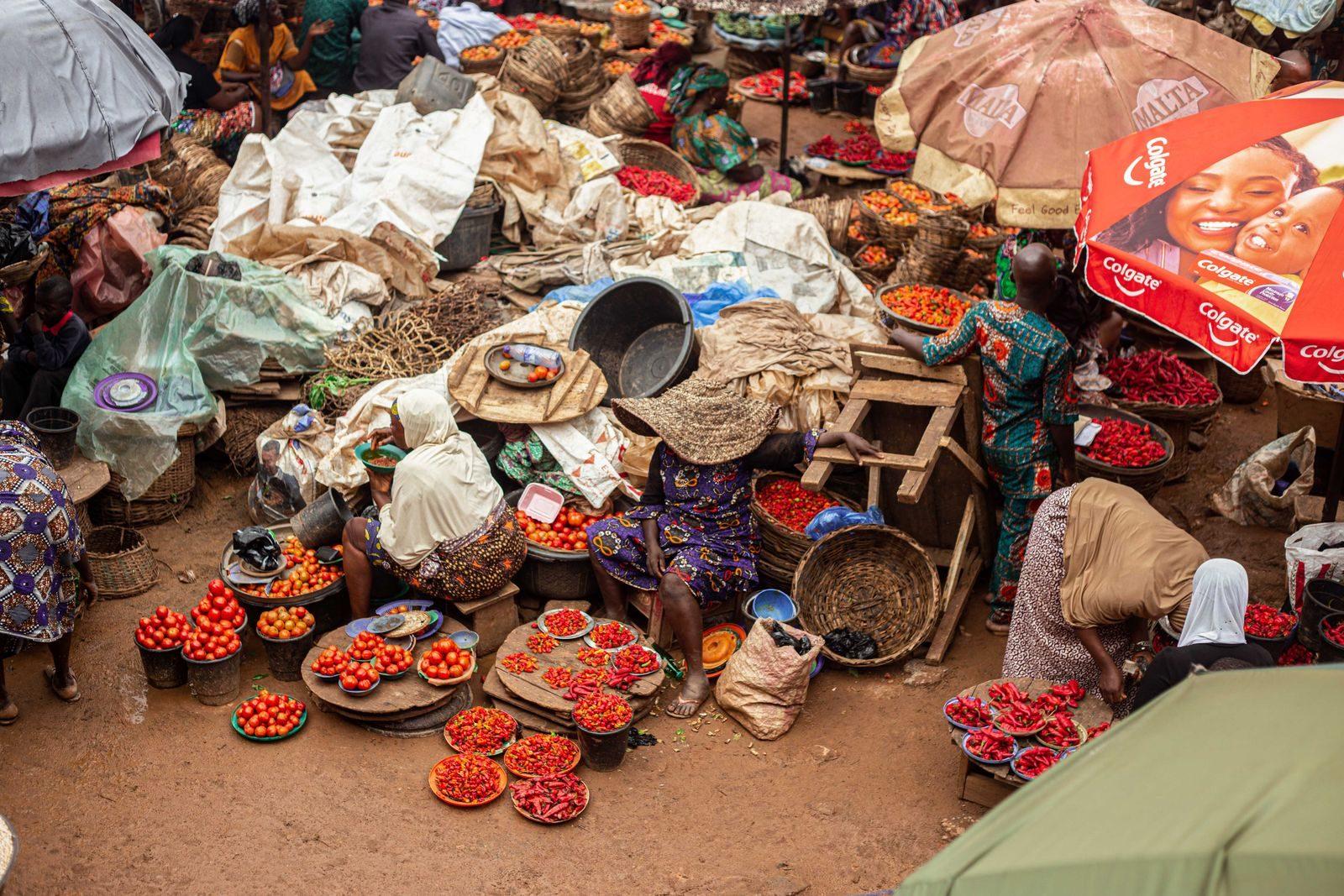
The informal economy is not a problem to be solved—it is an opportunity to be tapped. With over 97 percent of Nigeria’s economy operating informally, the informal sector represents the dominant logic of economic organization in the country.
What to Look For:
Street food vendors. Ubi Franklin argues that investing in mama put vendors could generate up to ₦1.8 billion in annual returns. His argument is not about mama put specifically—it is about the untapped capital sitting in Nigeria’s informal economy, where millions of traders operate daily without access to credit, investment, or formal financial support.
Artisans and craftspeople. The Adire industry has the potential to become a $1 billion global business if properly developed.
Local food processing. The grill economy is transforming from a traditional food practice into a modern economic sector spanning hospitality, tourism, steel fabrication, events management, food processing, livestock value chains, culinary education, and premium dining experiences.
Digital micro-entrepreneurs. Over 7–10 million Nigerians now earn income through digital microbusinesses.
5. Follow Government Initiatives
Government programs and policies are powerful signals of where economic activity is being encouraged.
What to Look For:
The 774 LGA Exportable Products Initiative. The Federal Government is considering a bold nationwide scheme to identify at least one exportable product in each of Nigeria’s 774 local government areas. This is part of efforts to deepen non-oil exports and strengthen the country’s competitiveness under AfCFTA.
Special Agro-Industrial Processing Zones. The Federal Government has committed $538.05 million towards the establishment of special agro-industrial processing zones across the country.
The “Nigeria First” Policy. The government has launched a “Nigeria First” policy designed to prioritize and promote local content and businesses, particularly in public procurement and expenditure.
Local content enforcement. Ministries, Departments, and Agencies have been directed to prioritize indigenous companies, homegrown technologies, and locally sourced materials in all science and engineering-related projects.
6. Look for Gaps in Existing Markets
Untapped markets are often hiding in plain sight—they are the gaps that existing players are ignoring.
What to Look For:
Quality accommodation in state capitals. “The lack of quality accommodation offerings in state capitals is an industry gap and business opportunity most foreign brands have noticed”.
Localized products and services. Foreign manufacturers may mass-produce imitation Adire, but they cannot replicate the uniqueness of handcrafted Adire.
Food tourism. Food tourism centered around Nigerian grilling traditions remains largely untapped.
Specialized logistics. Cold-chain logistics and e-commerce returns management are identified as booming opportunities.
Case Studies: Untapped Markets in Action
Aba’s $3 Billion Fashion Potential
Aba’s fashion production clusters could grow into a $3 billion economy over the next five to 10 years if the local market secures the right finance, IP protection, and market infrastructure. Behind the designers and events, in the workshops, clusters, apprenticeships, and production floors of Aba, sits an economy of thousands of producers making garments, shoes, slippers, bags, belts, wallets, and accessories who have never been formally counted, trained at scale, or connected to markets.
The Gap: Finance, IP protection, and market infrastructure.
The Opportunity: A $3 billion cluster over the next five to 10 years.
Adire’s $1 Billion Global Potential
Nigeria’s Adire industry has the potential to become a $1 billion global business if properly developed. The country’s textile market is projected to grow from about $9 billion in 2025 to over $16.62 billion by 2034. Developing the Adire value chain would enable local producers to tap into the expanding global fashion industry.
The Gap: Strategic investment, affordable financing for artisans, and protection against imported imitation fabrics.
The Opportunity: A $1 billion industry that would stimulate cotton farming, dye production, chemical processing, and other supporting industries while creating employment opportunities, especially for women and young people.
The Mama Put Economy
Ubi Franklin argues that investing in mama put vendors could generate up to ₦1.8 billion in annual returns. His argument is not about mama put specifically—it is about the untapped capital sitting in Nigeria’s informal economy, where millions of traders operate daily without access to credit, investment, or formal financial support.
The Gap: Access to credit and formal financial support.
The Opportunity: A micro-lending model that could generate significant returns while empowering small-scale traders.
Secondary Cities: The Next Growth Frontier
Over half of Jumia orders now come from secondary cities and remote areas. With over 350 Pickup Stations nationwide and a network of 67 logistics partners, Jumia is expanding access and last-mile efficiency, connecting underserved communities to the digital economy.
The Gap: Access to digital retail and e-commerce infrastructure.
The Opportunity: A rapidly growing consumer market with increasing purchasing power and digital adoption.
The Grill Economy
A new generation of entrepreneurs is transforming grilling from a traditional food practice into a modern economic sector that spans hospitality, tourism, steel fabrication, events management, food processing, livestock value chains, culinary education, and premium dining experiences. Food tourism centered around Nigerian grilling traditions remains largely untapped.
The Gap: Professional branding, equipment manufacturing, culinary innovation, and export ambitions.
The Opportunity: A growing sector that creates opportunities for livestock producers, spice merchants, charcoal suppliers, and hospitality workers.
Strategies for Entering Untapped Local Markets
1. Start with Feasibility Studies
Before entering any new market, conduct thorough feasibility studies to assess market demand, competition, and operational viability. As one hotelier noted, secondary cities are high-risk business areas, hence an investor has to carry out extra feasibility studies to ensure sustainability.
2. Partner with Local Aggregators
Companies are turning to creative distribution models, including partnering with local aggregators, setting up smaller distribution hubs, and using community-based agents. Such strategies help bridge the last-mile gap and ensure products reach even the most remote areas.
3. Build Trust through Local Presence
E-commerce platforms are building trust by using local agents as pick-up points or intermediaries. This approach builds credibility among first-time digital shoppers. For fintech companies, this could mean working with local market associations to promote digital payments through direct, face-to-face interaction.
4. Adapt to Local Media
Media consumption in emerging areas differs significantly from Lagos. Radio remains one of the most effective ways to reach broad audiences. Marketing content must be adapted to suit this diverse media landscape, focusing on platforms that use less data or offer offline viewing.
5. Engage with Communities
True community involvement is vital to successful market entry and long-term growth. This extends beyond advertising. It involves active participation in local events, support for grassroots initiatives, and establishing physical presence wherever possible.
6. Move Up the Value Chain
The most successful market entrants do not just sell products—they add value. In agriculture, the Federal Government is targeting at least 30 percent value addition before commodities leave the country. Processing raw materials locally captures value that would otherwise be lost.
7. Leverage Government Initiatives
The Federal Government’s 774 LGA Exportable Products Initiative and the Special Agro-Industrial Processing Zones program create opportunities for businesses that can align with government priorities.
How Qeeva Advisory Helps
At Qeeva Advisory, we understand that identifying and entering untapped local markets requires a unique approach that combines strategic planning, local knowledge, and operational excellence. We work with businesses, investors, and entrepreneurs to identify opportunities, navigate challenges, and build sustainable enterprises in Nigeria’s emerging markets.
Our Advisory Services provide strategic guidance for identifying and evaluating market opportunities, developing entry strategies, and building the operational capacity needed to succeed in local markets.
Our Feasibility Study and Project Advisory service helps you validate business concepts before significant resources are committed. As the hotel industry expert noted, thorough feasibility studies are essential when entering high-risk secondary markets.
For businesses looking to understand local market dynamics, our Market Intelligence and Economic Research service provides the insights you need to identify the most promising opportunities.
Our Market Research Services provide deep insights into consumer behavior, competitive dynamics, and market trends in local markets.
For businesses looking to access financing, our Investment Advisory Services help you structure investments, prepare compelling business cases, and access capital from government funds and private investors.
Our Business Strategy Consulting helps you craft strategies that foster sustainable growth, including market entry, organizational structure, and corporate culture.
Our Service Methodology
We do not offer generic solutions. Our methodology is designed to be thorough, transparent, and actionable, ensuring that your local market identification and entry initiatives are grounded in market realities and positioned for long-term success.
Step 1: Market Landscape Assessment
We begin by understanding the broader economic landscape beyond major urban centers. This includes analysing infrastructure development, consumer demographics, economic indicators, and competitive dynamics across regions. We identify which local markets have the highest growth potential based on market size, accessibility, and your unique strengths.
This step is powered by our Advisory Services and Market Intelligence and Economic Research .
Step 2: Opportunity Identification and Feasibility
Based on the assessment, we identify specific opportunities in untapped local markets. We analyse consumer needs, purchasing power, and existing gaps in the market. We validate these opportunities through rigorous market research and feasibility studies to ensure they are viable and bankable.
This step is powered by our Feasibility Study and Project Advisory and Market Research Services .
Step 3: Market Entry Strategy Development
We help you develop a comprehensive market entry strategy tailored to the specific local market. This includes location selection, partnership development, distribution design, marketing strategy, and risk management.
This step is powered by our Business Strategy Consulting and Advisory Services .
Step 4: Implementation and Partnership Building
We help you implement your market entry strategy—from building local partnerships to establishing operations and launching your products or services. We support you through implementation to ensure success.
This step is powered by our Advisory Services .
Step 5: Monitoring and Continuous Improvement
We help you track your performance, identify what is working and what needs adjustment, and continuously improve your approach. This ensures you stay ahead of market changes and maintain your competitive edge in local markets.
This step is powered by our Market Intelligence and Economic Research and Advisory Services .
Frequently Asked Questions
Q: How do I identify untapped local markets in Nigeria?
A: Follow infrastructure development, look for clusters of economic activity, follow e-commerce data, listen to the informal economy, follow government initiatives, and look for gaps in existing markets. The Federal Government’s 774 LGA Exportable Products Initiative is a good starting point for identifying local opportunities.
Q: What are the most promising untapped markets in Nigeria?
A: Promising opportunities include Aba’s fashion clusters ($3 billion potential), Adire textiles ($1 billion potential), secondary cities (over half of Jumia orders now come from these areas), the informal food economy, the grill economy, and agro-processing zones.
Q: What are the main challenges of entering local markets?
A: Key challenges include infrastructure gaps (poor roads and erratic power supply), different media consumption habits, the need for localized engagement, and higher business risk. As one hotelier noted, secondary cities are high-risk business areas that require extra feasibility studies.
Q: What is the 774 LGA Exportable Products Initiative?
A: The Federal Government is considering a bold nationwide scheme to identify at least one exportable product in each of Nigeria’s 774 local government areas. This is part of efforts to deepen non-oil exports and strengthen the country’s competitiveness under AfCFTA.
Q: How can I access financing for local market entry?
A: Several government funds are available, including the Special Agro-Industrial Processing Zones program ($538.05 million committed) and the African Development Bank’s $200 million support for SAPZ. Private investors and development finance institutions are also increasingly interested in Nigeria’s emerging markets.
Q: How can Qeeva Advisory help my business identify and enter local markets?
A: Qeeva Advisory provides comprehensive market support including advisory services, feasibility studies, market research, investment advisory, and business strategy consulting. Our Advisory Services and Feasibility Study and Project Advisory help businesses of all sizes identify and enter untapped local markets.
The Bottom Line
Nigeria’s business landscape is being reshaped by a powerful shift toward secondary cities, towns, and rural communities. The opportunities are real and substantial. From Aba’s fashion clusters to the informal food economy, from Adire textiles to the grill economy, from e-commerce in rural areas to agro-processing zones, untapped markets are waiting to be discovered.
The numbers tell the story. Over half of Jumia orders now come from secondary cities and remote areas. Aba’s fashion clusters could grow into a $3 billion economy. Adire has the potential to become a $1 billion global business. Over 7–10 million Nigerians earn income through digital microbusinesses. The Federal Government is planning to identify exportable products in all 774 local government areas.
But success in these markets requires more than just showing up. It demands a deep understanding of local dynamics, a commitment to community engagement, and the patience to build trust over time. It requires thorough feasibility studies, localized marketing strategies, and creative solutions to infrastructure challenges.
The businesses that understand this shift and position themselves accordingly will win in Africa’s largest economy. Those that remain fixated on the traditional urban centers will miss the next wave of growth.
The question is no longer whether to look beyond the major cities. It is whether you will lead or follow.
The choice is yours.
Suggested Reading from Our Blog
Explore these related articles to deepen your understanding of business opportunities in Nigeria’s emerging markets:
Business Expansion into Secondary Nigerian Cities – Learn how to expand your business into Nigeria’s secondary cities.
Community-Based Enterprise Development in Nigeria – Learn how communities are taking ownership of their economic futures.
Related Services
We offer specialised services to help businesses identify and enter untapped local markets:
Advisory Services – Strategic guidance for identifying and evaluating market opportunities.
Feasibility Study and Project Advisory – Assess market demand, evaluate technical and financial viability, and develop bankable proposals.
Market Intelligence and Economic Research – Deep insights into market trends, consumer behavior, and competitive dynamics in local markets.
Market Research Services – Deep insights into consumer behavior, competitive dynamics, and market trends.
Investment Advisory Services – Structure investments, prepare compelling business cases, and access capital.
Business Strategy Consulting – Craft strategies that foster sustainable growth, including market entry and organizational structure.
Let’s Talk About Your Local Market Strategy
Untapped local markets are not just about finding new customers—they are about building a business that can compete across Nigeria’s diverse economic landscape. At Qeeva Advisory, we take the time to understand your unique business and develop market entry strategies that work for you.
Whether you need help with market assessment, feasibility studies, or strategic advisory, our team is here to support you.
📞 Call us: (+234) 802 320 0801, (+234) 807 576 5799
📧 Email: info@qeeva.com
📍 Visit us: 5, Ishola Bello Close, Off Iyalla Street, Alausa, Ikeja, Lagos, Nigeria
Contact us today to schedule a complimentary consultation. We would love to hear about your business and explore how we can help you identify and enter untapped local markets in Nigeria.
Your journey to market discovery starts with a conversation. Let’s talk.
Reference Links / Sources
How investing in mama put can make you ₦1.8 billion – Pulse NG
FG plans exportable product for each of Nigeria’s 774 LGAs in 2026 – Nairametrics
Adire can become $1bn industry with right investment – Punch NG
Finance, Infrastructure Key To Unlocking Aba’s $3bn Fashion Potential – Leadership NG
Hotel developers, brands target secondary cities – BusinessDay NG
Unlocking Nigeria’s next growth frontier in tier 2 and tier 3 cities – Marketing Edge
E-Commerce in Rural Areas of Nigeria – Jumia Report
Jumia Nigeria releases second edition of ‘e-commerce in rural areas’ report – Guardian NG
Targeted Fiscal Incentives Will Boost SMEs Formalisation – NAN
FG secures more AfDB funding to expand agro-industrial zones – Punch NG