

BRAND RESEARCH: UNDERSTANDING YOUR BRAND PERCEPTION
Get Started
– Call-to-action to contact for a consultation
Tel: (+234) 802 320 0801, (+234) 807 576 5799
E-Mail: info@qeeva.com

INTRODUCTION
By identifying strengths and areas for development, brand research guides companies to improve their market position and develop resonant communications and campaigns, ensuring that the brand meets consumer expectations and stands out in a competitive environment.
Brand research can help you create a strong brand identity, a compelling value proposition, a distinctive positioning and a cohesive brand experience. It can also help you measure and improve your brand performance, loyalty and equity over time.
The effectiveness of brand research lies in its comprehensive approach, which includes various research techniques and in-depth analysis that provides a comprehensive overview of the impact of the brand on the consumer and helps develop customized influential brand strategies.
However, brand research is a systematic process of understanding consumer perceptions and public opinion, which is essential for refining brand strategies and creating deeper connections with audiences. It uses a variety of methods to provide practical insights for informed decision making.
MEANING OF BRAND RESEARCH
Brand research is the process of examining various aspects of both new and existing brands to gain insights that can help uncover brand value.
Apart from the products and services offered, a brand is also an ethos, personality, visual brand identity, vision and the feeling people get when they think about it. But of course, every brand has an ideal version of how the overall branding will land, and then there’s the reality that its customers and the public see.
Brand research helps you answer questions like Who knows about my brand? where did they hear about my brand? what do they think and value my brand? what is their relationship with my brand – from unknown to dedicated user? An important factor in brand research is that it is always done in comparison to competitors. Your brand is only as good as what it is compared to. So, brand research is when we study the compatibility of these two versions, either before a company launches its brand, or we try to understand how long-term branding works.
Definition of key terms and Key Performance Indicators/parameters relevant to the understanding of conducting your brand research
Brand perception
Brand equity
Brand loyalty
Brand awareness
Brand preference
MEANING OF BRAND PERCEPTION
Brand perceptions are the overall picture people have of your brand. Every time consumers interact with your brand, whether by passively watching an advertisement, or actively through a purchase or customer support query; they make small judgments that build to overall brand perception.
MEANING OF BRAND EQUITY
Equity is the value perceived about your brand which it has over others of similar standing. As an example, Think also about something as simple as fever tablets. Thanks to marketing and branding efforts, name-brand tablets tend to have a higher standing than the pharmacy’s version, even if the ingredients and dosage are exactly the same. That’s brand equity, in a nutshell.
MEANING OF BRAND LOYALTY
High brand loyalty is a strong indicator of the success of a number of smaller factors, like your products’ quality, your customer service, and your marketing efforts hitting their mark. Brand loyal customers are more loyal to choose you over a rival, even if there’s a more competitive product elsewhere. Brand loyalty deploys parameters such as NPS and CSAT to determine how likely people are to patronize you again and recommend you to their friends.
MEANING OF BRAND AWARENESS
Brand awareness is a measure of whether people know your brand, either prompted or unprompted. It’s about remembering your brand after buying a product or seeing an advertisement or other piece of marketing. When people think about your brand, what immediately comes to mind when your brand flashes at the blink of an eye? Are you known for great customer service? Do people think your products are expensive
MEANING OF BRAND PREFERENCE
Brand preference is a parameter that indicates the number of people that would prefer to choose your products over a competitor’s. Meanwhile, brand loyalty focuses on customers who know and love your brand, brand preference is broader giving insight into what even people who have never purchased from you before have to say. In that way, it’s similar to brand equity, where a preference for your brand shows that your marketing and branding are paying off.
TYPES OF BRAND RESEARCH
Each type of brand research serves a specific purpose and provides insights that can guide brand strategy, marketing efforts, and overall business decisions. The choice of research type depends on the specific objectives and questions you want to address about your brand.
- Brand Awareness Research
- Brand Perception Research
- Brand Equity Research
- Brand Loyalty Research
- Brand Identity Research
- Brand Positioning Research

IMPORTANCE / BENEFITS OF BRAND RESEARCH
Brand research helps to show how your brand has grown and tell if your communications are effectively having valuable impact in the market place. When you know what’s working, it helps you to concentrate on doing more of that and spend less time on strategies that don’t have an impact on the target audience. Research helps to justify the right course on which you should spend your resources on when they are constrained.
The world of marketing is vast, with many variables at play. A robust and well-defined marketing strategy is at the heart of successful marketing efforts.
Brand research serves as a compass in the complex landscape of brand management. It empowers businesses to understand consumer perceptions, attitudes, and preferences toward their brand.
Knowing the minds of consumers helps brands decode the emotional and cognitive factors that drive purchasing decisions.
It enables businesses to pinpoint areas of strength that can be amplified in marketing management efforts and areas of improvement that require attention.
Brand research employs different methods and approaches that allow companies to gather actionable insights that inform strategic branding decisions.
It provides a clear picture of how a brand is perceived relative to competitors, identifies potential gaps between brand image and consumer expectations, and guides the development of messaging and campaigns that resonate with the target audience.
Companies can sharpen their marketing strategy by deeply understanding the market and how the brand fits within it, ensuring that every campaign, product launch, or advertisement aligns with the brand’s core values and speaks directly to its target audience.
Brand research is the first step along the path to enhancing the customer experience; research leads to analysis, which leads to action and that action will eventually make things more appealing to your target audience. When the customer and brand experience are improved upon, you’ll surely improve customer retention and when you do that, you’ll move the needle with brand awareness and brand loyalty and at the end of the day, your exact ROI on performing brand research will vary, but the investment will generally yield branding decisions that drive higher sales and revenue.
MAJOR COMPONENTS OF EFFECTIVE BRAND RESEARCH
Effective brand research goes beyond a superficial overview and dives into understanding your audience and market. It provides the information needed to create a resonant brand identity, a unifying message and strategies that will set your brand up for success.
Customer Journeys
Measurement Metrics (KPIs)
Brand value
Audience Analysis
Competitive Landscape
Market Trends
Brand Perception
Brand development.
Get Started
– Call-to-action to contact for a consultation
Tel: (+234) 802 320 0801, (+234) 807 576 5799
E-Mail: info@qeeva.com
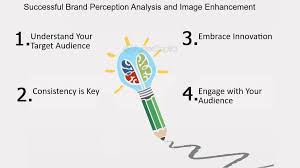
STEP-TO-STEP GUIDE ON HOW TO CONDUCT BRAND RESEARCH
The following are a guide to the key steps in conducting brand research
Define research objectives
Defining your research objectives isn’t just a step in the process. It’s the compass that guides your journey to a stronger, more successful brand. So don’t skip this step. It’s your roadmap to meaningful and impactful brand research.
This crucial step builds the pillars of your brand’s success. It’s all about understanding what you want to achieve, such as improving your marketing strategy or better reaching your target audience.
Your objectives guide your brand research in order to gather the right information and insights. Which will enable you to answer vital questions about your brand and its position in the market.
Choose research methodology
When conducting brand research, it is essential to choose a research methodology that strikes a balance between qualitative insights and quantitative insights. This research mix will give you a comprehensive understanding of your brand’s performance. Importantly, your chosen methodology will be instrumental in framing the effectiveness of your brand research.
Develop research instruments
This is an essential step when you conduct brand research. Think of it as your toolkit for digging into the heart of your brand strategy.
You’ll want to use various tools, from focus groups to online surveys. These instruments are designed to help you gather the information necessary for a comprehensive brand analysis.
Focus groups, for instance, can offer rich qualitative data about consumer perceptions and attitudes. On the other hand, online surveys can provide a broader quantitative perspective on consumer preferences and behaviors.
Sampling strategy
You’ll need to develop a solid sampling strategy to capture data from a representative group of your target market. This is why brand research is essential. It helps you understand your potential customers better.
Your sampling strategy should aim to include diverse perspectives within your target market. Don’t limit your research to just the most vocal or accessible customers.
Collect data
Collection of data can be done through various methods such as surveys, interviews, or focus groups. Using a mix of these in your brand research is crucial to get a comprehensive view of your market. The data you collect will be the bedrock of your market research, painting a detailed picture of your brand’s current standing.
Analyze data
It’s about understanding the story behind the figures you have gathered. It’ll give you insights into your brand’s perception, helping you shape your marketing strategies accordingly. You may think you know your audience, but marketing research using all the data you’ve gathered can reveal surprising truths.
Extract insights and actionable recommendations
This phase of brand research isn’t just about understanding what the data says but interpreting what it means for your brand. It’s about transforming those numbers and trends into strategic moves.
Survey research
Surveys remain a great way to generate feedback on your brand either by email, an online form, or on the phone.
Example questions to ask:
How likely would you be to recommend [BRAND]?
What words come to mind when you think of [BRAND]?
When you think of [PRODUCT CATEGORY], what brands come to mind?
When was the last time you bought a product from [BRAND]?
What led to that decision?
What brand is the most recognizable in [PRODUCT CATEGORY]?
If [BRAND] was a person, how would you describe them?
Have you seen [brand name]’s advertisements?
If so, where?
What did they make you think?
List five words you would choose to describe [BRAND]
Focus groups
Focus groups can be organized in person by finding willing local participants or they can be conducted online. Basically, these groups offer incentives to participants.
There are also plenty of focus group and research panel providers out there; if you’re thinking of using one, here are a couple of things to look for:
A large respondent pools
It sounds obvious, but they need to be able to provide the right people at the right time. The best providers will have a vast range of possible respondents across different countries and demographic and social groups.
Support when you need it
A great provider will do more than just deliver the sample. They’ll be on hand to support you with questions about designing your survey, running the process, and conducting the right analysis afterward.
Digital listening
People will be talking about your organization on social media, on third-party review sites, over email, and on the phone to your contact center agents; the smartest brands are the ones who know how to piece all that information together.
An intelligent brand experience management suite can listen to all these disparate conversations for you, bring them together in one place, and use AI and natural language processing to assign qualitative values like emotion and sentiment – and then turn all that information into useful, actionable suggestions.
Get Started
– Call-to-action to contact for a consultation
Tel: (+234) 802 320 0801, (+234) 807 576 5799
E-Mail: info@qeeva.com
TECHNIQUES OF BRAND RESEARCH
Each technique offers distinct benefits and is chosen based on the research perspectives. The techniques are as follows:
Surveys and Questionnaires
Surveys and questionnaires are quantitative research tools you can’t overlook when conducting effective brand research. They’re simple, cost-effective, and offer a wealth of information about your target audience that you might not otherwise discover. Designing an effective online survey requires careful thought and planning. Survey completion rates are often less than the response rates and can be influenced by the length of the survey.
When it’s time to analyze the data, take your time to ensure accuracy and glean insights that can help shape your brand research strategy moving forward.
Online Analytics and Social Listening
You can use these tools to track user activity on your website and monitor conversations about your brand on social media platforms, blogs, forums, and other online spaces.
Then there’s social listening. What are your customers saying about you? Are they praising or complaining your new product?
This feedback is invaluable because it helps you better understand your customers’ needs so that you can improve or adjust marketing initiatives as needed.
Focus Groups and Interviews
Unlike surveys, focus groups and interviews allow for a more interactive and dynamic discussion. They let you study the consumer’s mind, understanding what they like or dislike and why.
In a focus group, you gather a small group of people who fit your target demographic. You’d have them discuss your product or service under the guidance of a moderator.
Though time-consuming, on the other hand, interviews are one-to-one sessions where you probe further into individual thoughts and experiences. This format allows deep insights into personal feelings and opinions regarding your brand.
Studies that involve observation of individuals, or groups of people, in their natural environment are referred to as observational studies. In this way, researchers can get real information about how consumers feel about brands, products and services.
Through observational research, consumer behavior is observed without any direct intervention, resulting in an unbiased assessment that captures real reactions and behaviors.
One particular type of observational research that has great potential for understanding real-world interactions is ethnographic research.
CONCLUSION
Brand research can be difficult, but with the right methods, tools and knowledge, it can be a gold mine of knowledge. Aspiring brands must invest time, resources and thought into their research processes to ensure they are relevant and effective in today’s dynamic marketplace.
Using the right brand research methods is key in the ever-evolving brand world. A solid methodology ensures that the data you collect is relevant and can lead to actionable insights that can steer your brand in the right direction.
Get Started
– Call-to-action to contact for a consultation
Tel: (+234) 802 320 0801, (+234) 807 576 5799
E-Mail: info@qeeva.com
FAQ
Why is it important to understand branding?
Products show how your target audience perceives your brand; not what you say about you, but how they perceive you. Understanding brand awareness is important because it affects:
- Customer decisions: A positive attitude can influence purchasing decisions and loyalty.
- Effective marketing: The targeted message resonates best if it fits with existing ideas.
- Employee Ethics: Strong brand sentiment attracts and retains the best talent.
- Public relations: controlling negative emotions reduces harm.
How can I understand my feelings?
Several methods can help you gain insight into your thoughts:
- Customer research and surveys: Ask direct questions about brand associations, values and public image.
- Social Media Listening: Track online conversations to understand how people are talking about your brand and what words they associate with it.
- Online reviews and ratings: Try customer analytics to find out where your strengths and weaknesses lie.
- Market Research Reports: Industry reports can provide insight into the market prospects of a particular market.
- Popularity analysis tools: Use software that tracks brands and opinions on websites.
- Competitor Analysis: See how your brand is perceived to differentiate itself from competitors.
What are some signs of a positive attitude?
- Customer loyalty: repeat purchases and positive word of mouth marketing.
- Strong association: Positive emotions and values are easy to associate with your brand.
- Best Sense Online: best reviews and tips for social media.
- Branding: Customers are more familiar with your brand and its products.
- Publicity: Good press coverage and exposure to industry publications.
What are some symptoms of depression?
- Complaints and customer churn: many negative consequences and customers switching to competitors.
- Negative attitudes online: mainly criticism of social media and online reviews.
- Brand issues: media neglect and public relations problems.
- Talent Attraction Challenges: The challenge of recruiting and retaining top talent.
- Struggle to charge high prices: inability to charge a price that corresponds to a good price.
How can I improve my mood?
- Match brand promise with reality: make sure your message reflects the customer experience.
- Provide exceptional customer service: Exceed customer expectations and build strong relationships.
- Be open and honest: Speak openly and honestly with your audience.
- Pay attention to children: Align your brand with the values your target group cares about.
- Consistently providing quality products or services: a strong foundation for good product understanding.
- Be proactive in dealing with negative situations: listen to concerns and take necessary steps to resolve them.
Pricing
– In Qeeva intelligence and marketing business, we adopt the transparent pricing model
– We have different packages/options available to suite your budget and business needs
– Please contact us for a custom quote