
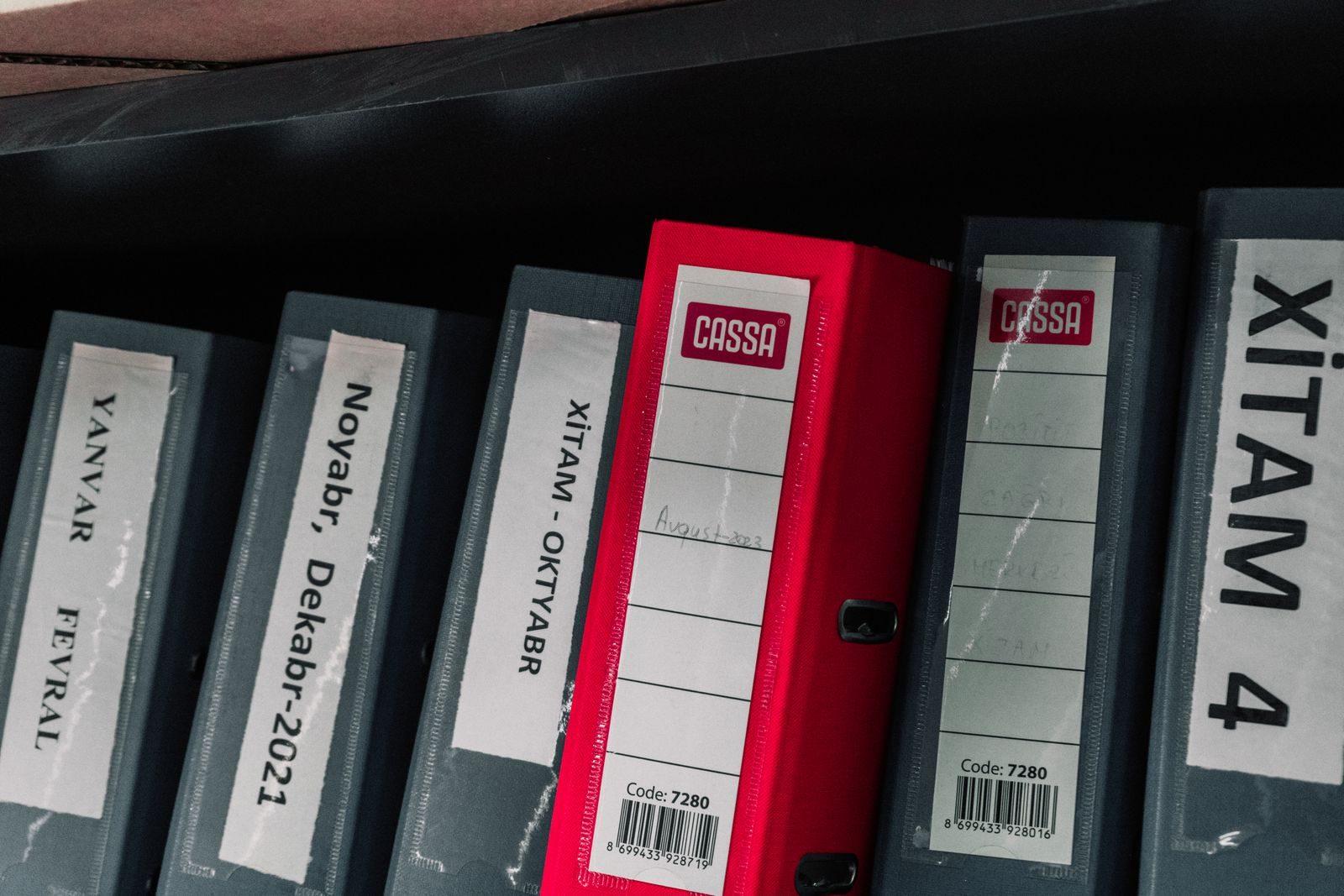
Record-Keeping Practices Every Business Should Adopt
For many business owners in Nigeria, record-keeping is an afterthought—something to be sorted out when tax season arrives or when a bank requests financial statements. This reactive approach is a recipe for disaster. Poor record-keeping is one of the leading causes of business failure, yet it is entirely preventable.
In Nigeria, the legal framework for record-keeping is clear and non-negotiable. The Companies and Allied Matters Act (CAMA) 2020, the Nigeria Tax Act 2025, and various regulatory guidelines mandate that businesses maintain accurate and comprehensive records. Beyond legal compliance, proper record-keeping is a strategic tool that drives better decision-making, improves access to financing, and positions your business for sustainable growth.
The Pain Points: Why Businesses Struggle with Record-Keeping
Let us be honest. Most business owners know they should keep better records, but they do not. Here is why:
The “I Will Do It Later” Trap. When you are busy running a business, record-keeping always seems like something you can do tomorrow. But tomorrow never comes. Receipts get lost, transactions are forgotten, and by the time you need those records, they are nowhere to be found.
The Cost of Getting It Wrong. Poor record-keeping has real consequences. In 2025, the FIRS began penalising companies for undocumented transactions and undisclosed office addresses. The law imposes a N100,000 fine for failure to file tax returns, plus N50,000 monthly for as long as the failure continues. For a small business, these penalties can be crippling.
The Access to Finance Barrier. Many SMEs are unable to grow, expand, or compete effectively due to poor financial awareness and weak financial reporting systems. Banks and investors will not lend to businesses that cannot demonstrate their financial position through proper records.
The Digital Transition Challenge. With Nigeria’s tax administration increasingly digital, businesses that fail to maintain accurate financial records risk penalties, operational disruptions, and missed growth opportunities. The shift to digital record-keeping can feel overwhelming, especially for businesses that have operated informally for years.
The Knowledge Gap. Many entrepreneurs simply do not know what records they need to keep, how long to keep them, or how to organise them effectively. This lack of knowledge leads to incomplete records and compliance failures.
These pain points are real, but they are not insurmountable. With the right practices and the right support, you can transform record-keeping from a burden into a strategic advantage.
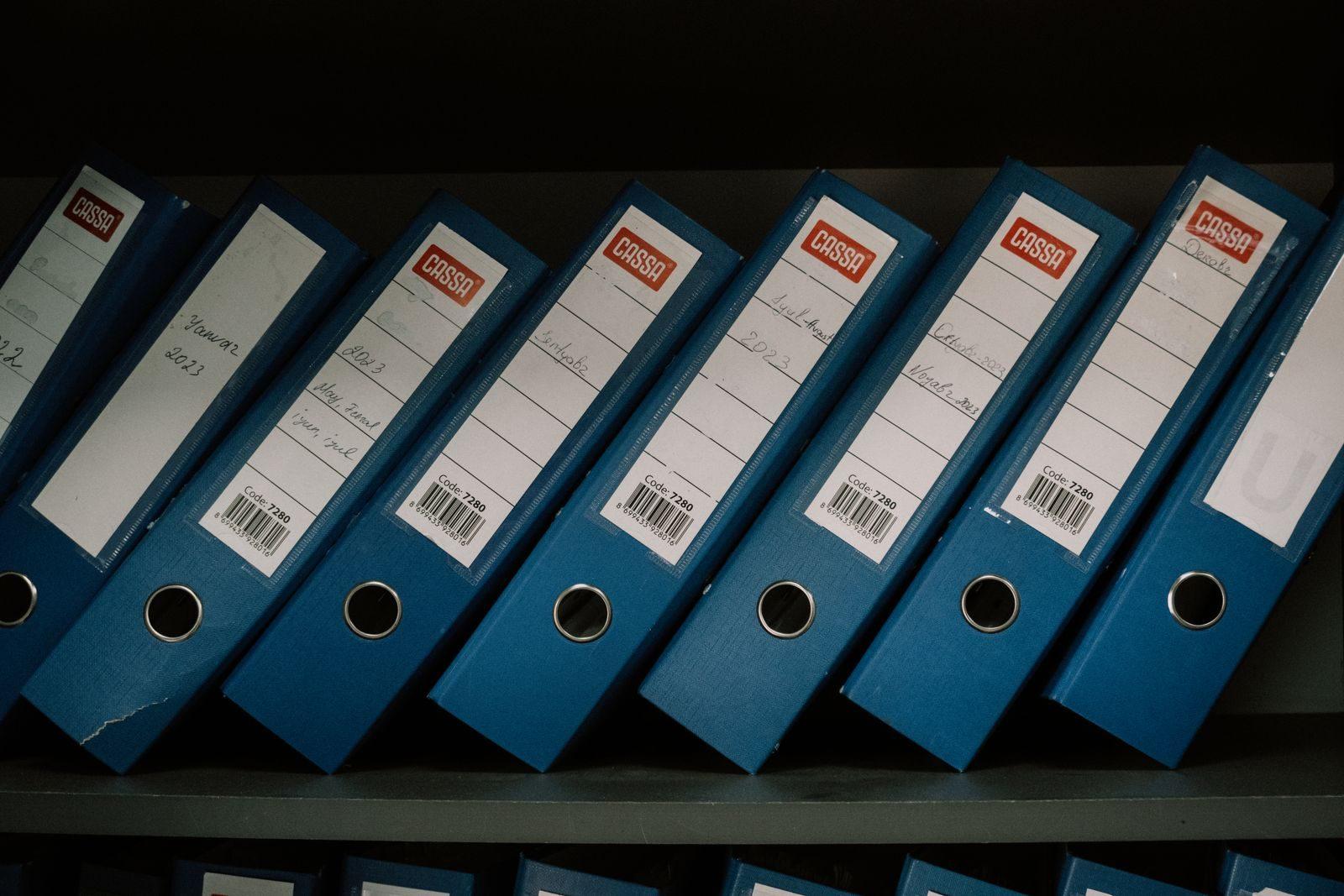
What CAMA 2020 Requires for Record-Keeping
The Companies and Allied Matters Act (CAMA) 2020 sets out clear requirements for record-keeping that every company in Nigeria must follow.
Accounting Records
Every company is required to keep accounting records that sufficiently show and explain the transactions of the company. These records must be kept at the company’s registered office or such other place in Nigeria as the directors think fit, and shall at all times be open to inspection by the officers of the company.
What This Means for Your Business: You must maintain records that accurately reflect all financial transactions. These records must be accessible and organised in a way that allows for easy review and audit.
Statutory Registers
Every company must keep a register of its members as provided for under Sections 109 and 110 of CAMA 2020. The register shall be kept at the registered address of the company.
What This Means for Your Business: You must maintain up-to-date registers of directors, shareholders, and other statutory information. These registers must be kept at your registered office address.
Retention of Records
Companies may, in addition to hard copies, keep electronic copies or registers of any document or record they are required to maintain under the Act.
What This Means for Your Business: Digital record-keeping is explicitly permitted under CAMA 2020. This provides flexibility for businesses to adopt modern, efficient record-keeping systems.
Financial Statements
Financial statements are required to comply with the requirements of CAMA 2020 and the accounting standards laid down in the statements of accounting standards issued by the Financial Reporting Council of Nigeria.
What This Means for Your Business: Your financial statements must meet specific standards. This is not optional—it is a legal requirement.
The Nigeria Tax Act 2025 and Record-Keeping
The Nigeria Tax Act 2025 has introduced significant changes to record-keeping requirements that every business must understand.
Six-Year Retention Period
The standard limitation period for tax records is six years. This clock begins ticking from the close of the accounting year in which the tax return was filed. The FIRS generally has six years from that point to issue additional tax assessments or conduct audits.
What This Means for Your Business: You must retain all financial records for a minimum of six years. This includes invoices, receipts, contracts, bank statements, and all other documentation related to your business transactions. Digital records are accepted—using invoicing software ensures your records are organised, searchable, and audit-ready.
Enhanced Record-Keeping Requirements
Businesses must maintain digital records of all invoices for a minimum of six years, accessible to FIRS upon request.
What This Means for Your Business: Digital record-keeping is no longer optional. You must be able to produce digital records of all transactions when requested by tax authorities.
Electronic Fiscal System (EFS)
Taxable businesses must deploy EFS solutions for real-time recording and reporting of sales transactions.
What This Means for Your Business: Real-time recording of sales transactions is now required. This represents a significant shift from traditional record-keeping methods.
Penalties for Non-Compliance
Failure to keep proper records can result in significant penalties. The law imposes a N100,000 fine for failure to file tax returns, plus N50,000 monthly for as long as the failure continues.
What This Means for Your Business: The cost of non-compliance is real and substantial. Investing in proper record-keeping is far cheaper than paying penalties.
Essential Records Every Business Should Keep
Financial Records
Sales Records: Invoices, receipts, POS reports, and transfer evidence. This proves your actual revenue.
Purchase Records: Supplier invoices, receipts, and payment records. This documents your business expenses.
Bank Statements: All bank statements showing deposits, withdrawals, and transfers.
Payroll Records: Employee contracts, salary payments, PAYE deductions, and pension contributions.
Tax Records: All tax filings, payment receipts, and correspondence with tax authorities.
Corporate Records
Statutory Registers: Register of directors, register of shareholders, register of beneficial owners.
Board Minutes: Minutes of all board meetings and resolutions.
AGM Records: Notices, minutes, and resolutions from Annual General Meetings.
Constitutional Documents: Memorandum and Articles of Association, Certificate of Incorporation.
Compliance Documents: Annual returns, business permits, expatriate quota approvals.
Best Practices for Record-Keeping
1. Prioritise Impeccable Record-Keeping
Make record-keeping non-negotiable. Start scanning and digitising every transaction daily. No excuses. Install a free or low-cost scanning app on your smartphone—Genius Scan, Adobe Scan, CamScanner, or Microsoft Lens work well.
2. Separate Business and Personal Finances
One of the most common and costly mistakes is mixing business and personal finances. Open a separate business bank account and use it exclusively for business transactions. This simplifies record-keeping and provides clear evidence of your business’s financial position.
3. Use Technology
With Nigeria’s tax administration increasingly digital, businesses that fail to adopt digital record-keeping risk being left behind. Use accounting software, invoicing tools, and scanning apps to automate and streamline your record-keeping.
4. Be Consistent
Record-keeping is most effective when it is done consistently. Set aside time each day or week to update your records. Do not wait until the end of the month or year—by then, it is too easy to forget transactions or lose receipts.
5. Back Up Your Records
Digital records are only useful if they are accessible. Back up your records regularly—both on the cloud and on physical storage devices. This protects you from data loss due to hardware failure, theft, or natural disasters.
6. Seek Professional Guidance
Record-keeping can be complex, especially as your business grows. Engaging professional bookkeeping and accounting services ensures your records are accurate, compliant, and positioned to support your business growth.
How Qeeva Advisory Helps
At Qeeva Advisory, we understand that record-keeping is the foundation of a successful business. We work with businesses of all sizes to establish effective record-keeping systems that ensure compliance, support decision-making, and drive growth.
Our Book Keeping Services provide comprehensive support for recording financial transactions on a day-to-day basis. We cover the entire scope of bookkeeping, giving you the flexibility to choose what you need.
Our Accounting Advisory Services help you maintain accurate financial records, prepare financial statements, and ensure compliance with Nigerian accounting standards and tax regulations.
For tax compliance, our Tax Consulting Services provide expert guidance on tax planning, tax management, and tax compliance issues, keeping you from the radar of tax authorities while you remain a good corporate citizen.
Our Company Secretarial Services ensure your statutory registers and corporate records are properly maintained and up to date, meeting all CAMA 2020 requirements.
For businesses needing to understand the full scope of regulatory compliance, our Regulatory Compliance service provides comprehensive guidance on all your record-keeping and compliance obligations.
We also offer Business Plan Service and Capital Raising Assistance to help you leverage your financial records for growth and investment.
Our Service Methodology
We do not offer generic solutions. Our methodology is designed to be thorough, transparent, and actionable, ensuring that your record-keeping systems are effective, compliant, and positioned for long-term success.
Step 1: Record-Keeping Assessment
We begin by understanding your current record-keeping practices. This includes reviewing your financial records, statutory registers, and compliance status. We identify gaps and areas for improvement.
This step is powered by our Book Keeping Services and Accounting Advisory Services.
Step 2: System Design and Implementation
Based on the assessment, we design a comprehensive record-keeping system tailored to your business size, industry, and growth plans. This includes selecting appropriate tools, establishing procedures, and training your team.
This step is powered by our Book Keeping Services and Tax Consulting Services.
Step 3: Ongoing Support and Monitoring
We provide ongoing support to ensure your record-keeping systems remain effective and compliant. This includes regular reviews, updates, and guidance on regulatory changes.
This step is powered by our Accounting Advisory Services and Company Secretarial Services.
Step 4: Strategic Advisory for Growth
We support you beyond compliance, providing strategic advisory on how to leverage your financial records for business growth, investment, and long-term success.
This step is powered by our Business Plan Service and Capital Raising Assistance.

Frequently Asked Questions
Q: How long must I keep my business records in Nigeria?
A: Under the Nigeria Tax Act 2025, businesses must maintain comprehensive records for a minimum of six years. This includes all invoices, receipts, contracts, and financial records. The clock begins ticking from the close of the accounting year in which the tax return was filed.
Q: Can I keep my records digitally?
A: Yes. CAMA 2020 explicitly allows companies to keep electronic copies of records. Digital records are accepted, and using invoicing software ensures your records are organised, searchable, and audit-ready.
Q: What are the penalties for poor record-keeping in Nigeria?
A: The law imposes a N100,000 fine for failure to file tax returns, plus N50,000 monthly for as long as the failure continues. Additionally, poor record-keeping can lead to operational disruptions, missed growth opportunities, and difficulty accessing financing.
Q: What records does CAMA 2020 require my business to keep?
A: CAMA 2020 requires every company to keep accounting records that sufficiently show and explain the transactions of the company. Companies must also maintain registers of members, directors, and other statutory information. Financial statements must comply with the requirements of CAMA 2020 and the accounting standards issued by the Financial Reporting Council of Nigeria.
Q: How can Qeeva Advisory help my business with record-keeping?
A: Qeeva Advisory provides comprehensive support including bookkeeping services, accounting advisory, tax consulting, and company secretarial services. We help both local and foreign businesses establish effective record-keeping systems that ensure compliance, support decision-making, and drive growth.
The Bottom Line
Record-keeping is not just a legal requirement—it is a strategic tool that drives better decision-making, improves access to financing, and positions your business for sustainable growth.
The numbers tell the story. SMEs with proper record-keeping systems tend to achieve higher levels of profitability, efficiency, and sustainability. Without proper records, businesses struggle to access financing, fail to comply with tax obligations, and miss opportunities for growth.
The key is to approach record-keeping strategically, not reactively. Implement systems that work for your business, use technology to automate and streamline, and seek professional guidance when needed. With the right practices and the right support, you can transform record-keeping from a burden into a competitive advantage.
In an increasingly digital tax environment, proper record-keeping is no longer optional—it is essential for survival and success in Nigeria’s growing economy.
Suggested Reading from Our Blog
Explore these related articles to deepen your understanding of record-keeping and compliance in Nigeria:
Bookkeeping and Accounting: The Bedrock of Business Success – Understand why accurate record-keeping is fundamental to building a sustainable business.
Tax Consulting, Tax Planning, Tax Compliance and the Profitability of the Small Business – Learn how proper record-keeping supports tax compliance and business profitability.
Regulatory Compliance In Nigeria – A comprehensive guide to the regulatory requirements for businesses operating in Nigeria, including record-keeping obligations.
Related Services
We offer specialised services to help businesses establish and maintain effective record-keeping systems:
Book Keeping Services – Comprehensive support for recording financial transactions on a day-to-day basis.
Accounting Advisory Services – Expert guidance on financial reporting, tax planning, and compliance with Nigerian accounting standards.
Tax Consulting Services – Expert guidance on tax planning, tax management, and tax compliance issues.
Company Secretarial Services – Ensuring your statutory registers and corporate records are properly maintained and up to date.
Ready to Get Started?
Do not let poor record-keeping hold your business back. Whether you are a local entrepreneur or a foreign investor, Qeeva Advisory is here to guide you through every step of the record-keeping process.
📞 Call us: (+234) 802 320 0801, (+234) 807 576 5799
📧 Email: info@qeeva.com
📍 Visit us: 5, Ishola Bello Close, Off Iyalla Street, Alausa, Ikeja, Lagos, Nigeria
Contact us today to schedule a complimentary consultation. Let us discuss your record-keeping needs, explore how we can help you build a stronger, more resilient business, and create a roadmap for sustainable growth.
Your journey to better record-keeping starts here. Do not wait—reach out now.
Reference Links / Sources
Schedule 2 of CAMA 2020 – icanig.org
Section 375 Companies and Allied Matters Act (CAMA) 2020 – LawGlobal Hub
FIRS to penalise companies for undocumented transactions, undisclosed office address – TheCable
Nigeria Tax Act 2025: Practical steps small businesses should take now – Nairametrics
ICAN: SMEs’ poor documentation may hinder Nigeria’s tax reform success – Nairametrics
Nigeria: Tax record retention – know the rules – BusinessDay NG
FIRS Invoice Requirements: Complete Nigeria Tax Compliance Guide – Invoicemonk
Nigeria Tax Reform NTAA 2025 Key Changes – LinkedIn
Nigeria’s e-invoicing mandate is bigger than tax compliance – Nairametrics