
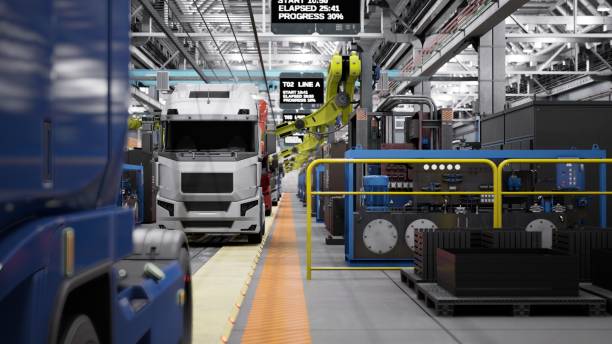
Starting Truck and Bus Manufacturing Company in Nigeria
Get started
– Call-to-action to contact for a consultation
Tel: (+234) 802 320 0801, (+234) 807 576 5799)
E-Mail: info@qeeva.com
Office Address: 5, Ishola Bello Close, Off Iyalla Street, Alausa, Ikeja, Lagos, Nigeria.
Overview
The truck industry in Nigeria is traceable to the 20th century when the British colonial masters unveiled these vehicles to support their daily economic activities. These vehicles contributed majorly to the growth of industries, ensuring the movement of raw materials, finished products, and other supplies from one location to another. These vehicles were used in various sectors, such as construction, agriculture, and manufacturing.
Establishing a truck and bus manufacturing company in Nigeria requires thorough planning, extensive research and huge funding. Nigeria has a growing demand for trucks and buses due to its growing population and economy. Moving forward, the government is committed to grooming its transportation infrastructure, making it an attractive market for such a venture. This article provides a detailed procedure on how to set up a successful truck and bus manufacturing company in Nigeria, including market research, licensing, property acquisition, organizational planning, manpower hiring, and the reasons why such a venture is promising. With careful planning and execution, a truck and bus manufacturing company can succeed in meeting the country’s increasing demand for commercial vehicles while contributing to its economic growth.
A truck or lorry is a type of automobile designed to carry heavy loads, carry specialized payloads, or do other practical tasks. Most trucks feature body-on-frame construction with a cabin independent of the payload portion and vary greatly in terms of size, power, and configuration.
Commercial trucks can be very large and powerful. They may be designed to be mounted with specialized equipment, as is the case with suction excavators, fire trucks, concrete mixers, and refuse trucks.
Despite the fact that there are small- to medium-sized trucks with gasoline engines in the US, Canada, and Mexico, most trucks currently in use are still powered by diesel engines. The market share of electrically powered trucks is expanding quickly, and it is predicted that by 2027, it will account for 7% of all trucks on the road worldwide.
A truck is classified as heavy duty has a maximum allowable load greater than 3.5 tones. Additionally, there are different types of trucks, each of which serves a specific purpose. Let’s look at these types of trucks in more detail so you can learn more.
There are different types of truck which are listed below:
- Box truck
- Boat haulage
- Australian road train
- Flatbed truck
- Fire truck
- Tipper truck
- Concrete truck
- Pickup truck
- Small truck
- Highway maintenance truck
- Livestock truck
- Snow plows
- Trailer Truck
- Off-road Truck
- Car transporter or car carrier truck
- Tow truck
- Chiller truck or reefers
- Crane trucks or mobile cranes
- Logging truck
- Tanker truck
- Furniture truck
Buses are an essential part of the transportation system and there are a wide variety of bus types that transfer millions of people each day for work, school, and leisure. In this article, we will highlight the most common types of buses that you will encounter on the road and they are:
Commuter Bus
- Tour Bus
- Charter Bus
- Coach Bus
- Party Bus
- Midibus
- Trolleybus
- School Bus
- Articulated Buses
- Double Decker Bus
- Single Deck Bus
- Transit Bus
- Shuttle Bus
- Electric Bus
- Minibus
Definition Of Terms
WHAT IS TRUCK?
According to Mariam Webster’s dictionary, truck is a large, heavy motor vehicle used for transporting goods, materials, or troops.
WHAT IS BUS?
According to Cambridge’s dictionary, a bus is a large vehicle in which people are driven from one place to another.
Reasons For Truck and Bus Manufacturing Company in Nigeria
Truck and bus manufacturing company in Nigeria holds wide range potential and advantages. Nigeria’s growing economy, expanding industries, and increasing urbanization have led to an increasing demand for commercial vehicles. With inadequate supply and heavy reliance on imported vehicles, a domestic manufacturing company can meet this growing demand and contribute to the country’s economic development.
Furthermore, government policies are favoring local manufacturing companies not that only, the policies are also promoting local content and provides incentives for setting up a truck and bus manufacturing company. It will allow for Job creation, technology transfer, and foreign exchange savings which are some of the advantages associated with establishing a domestic manufacturing industry. Starting a truck and bus manufacturing company in Nigeria requires comprehensive market research as it was stated above, identifying niches, obtaining necessary licenses, and setting up an efficient organizational structure. Nigeria’s growing economy and favorable government policies make this venture a promising business opportunity. With careful planning and execution, a truck and bus manufacturing company can succeed in meeting the country’s increasing demand for commercial vehicles while contributing to its economic growth.
How To Start Truck and Bus Manufacturing Company in Nigeria
Truck and bus manufacturing company business in Nigeria is a profiting venture which totally requires intentional planning and execution. Before you can excel as truck and bus manufacturer, it is paramount you take the following steps to ensure results driven approach;
Initiate Market Research:
The first step to take in establishing a truck and bus manufacturing company is to carry out a thorough market research because it is the landscape upon which any business is built. Perfectly understanding the market landscape, customer preferences and industry trends will provide valid insights for making informed decision.
Cast Your Business Plan:
A strong and convincing business plan does not only guide your own action, it also becomes a valuable tool when seeking financing or partnerships. Regularly review and update your plan as your business evolves to stay on course and seize emerging opportunities. A well written business plan include:
Clear executive summary
Price strategies
Contingency plans for potential challenges
Target market, followed by detailed analysis of the competition
Business legal structure
Goals
Budget and funding sources.
Register Your Business:
Get approval for your business with the appropriate government agencies to obtain the necessary licenses and permits for your operation.
Funding:
Ideas are not enough, you need raw cash to translate those ideas into reality. By this we mean you should have a readymade plan for securing funds for your truck and bus manufacturing business. It can come from personal savings, or bank loans, or investors, etc.
Research and source for Raw Materials:
Identify reliable suppliers of high-quality materials for your production process.
Purchase the needed Equipment: Acquire the necessary equipment and machinery for fruit juice production, such as a juicing machine, storage tanks, and packaging equipment.
Employ Skilled Manpower:
Employ skilled labor for your production process, such as production supervisors, machine operators, and quality control personnel.
Craft a Marketing Strategy: Groom a marketing strategy to promote your truck and bus manufacturing business to your target market.
Commence Production: start your production according to the way you have designed it for your truck and bus manufacturing and ensure that they are of quality standards for the sake of relevance.
Evaluation: Prompt monitoring and evaluation of your business operations regularly to identify areas for improvement and ensure profitability is key.
Get started
– Call-to-action to contact for a consultation
Tel: (+234) 802 320 0801, (+234) 807 576 5799)
E-Mail: info@qeeva.com
Office Address: 5, Ishola Bello Close, Off Iyalla Street, Alausa, Ikeja, Lagos, Nigeria.
Funding The Business Idea
Listed below are the following ways by which a truck and bus manufacturing company can be funded
- Bank Loans: Traditional bank loans are a common financing option. Prepare a comprehensive business plan and collateral to secure a loan. Various banks in Nigeria offer different loan products tailored to SMEs.
- Private Equity: Private equity firms may invest in more established businesses looking to scale. Ensure your business has a track record of growth and profitability to attract private equity funding.
- Business Incubators and Accelerators: Join business incubators or accelerators that offer funding, mentorship, and resources in exchange for equity. These programs often culminate in a pitch event where you can attract potential investors.
- Strategic Partnerships: Form strategic partnerships with companies that can provide funding or resources. This collaborative approach can also open doors to new markets and opportunities.
- Peer-to-Peer Lending: Explore peer-to-peer lending platforms that connect borrowers directly with individual lenders. This can be an alternative to traditional banking for obtaining loans.
- Grants from NGOs and Foundations: Certain non-governmental organizations (NGOs) and foundations offer grants to businesses with a social impact or specific focus areas. Research organizations aligned with your business values and goals.
- Trade Credit: Negotiate favorable trade credit terms with suppliers. This can provide short-term financing by allowing you to defer payments while you generate revenue.
- Bootstrapping: Start by utilizing personal savings or contributions from family and friends. Bootstrapping allows you to maintain full control of your business without taking on external debt or giving up equity.
- Government Grants and Support Programs: Explore government initiatives and grants aimed at supporting small and medium-sized enterprises (SMEs). Agencies such as the Small and Medium Enterprises Development Agency of Nigeria (SMEDAN) offer various programs to assist entrepreneurs.
- Angel Investors: Seek out angel investors who are willing to invest their funds in exchange for equity. Angel investors often provide mentorship and industry expertise in addition to financial support.
- Venture Capital: Venture capital firms can provide substantial funding in exchange for equity. Look for venture capital firms with a focus on Nigeria or African startups and align your business with their investment criteria.
Competitors In Truck and Bus Manufacturing Industry In Nigeria
The following under listed are the names and location of truck and bus manufacturing company in Nigeria.
- ANAMMCO
Location of the assembly plant: Enugu
Type of vehicles produced: Trucks and
Buses/Mercedes, Yutong buses
- Iron Products Industries Ltd. (IPI)
Location of the assembly plant: Lagos.
Type of vehicles produced: Truck and tanker bodies, buses.
- Leyland Busan Motors Ltd.
Location of the assembly plant: Ibadan.
Type of vehicles produced: Truck and buses/ FAW
- National Trucks Manufacturers
Location of the assembly plant: Kano
Type of vehicles produced: Pick-ups, trucks, buses, SUVs, agricultural tractors etc. Sino trucks.
- PAN Nig.Ltd
Location of the assembly plant: Kaduna
Type of vehicles produced: Cars and buses/Peugeot.
- Proforce Ltd.
Location of the assembly plant: Ode-Remo, Ogun State.
Type of vehicles produced: Armoured vans and
Buses/ Proforce
- Scoa Nigeria Plc.
Location of the assembly plant: Isolo, Oshodi
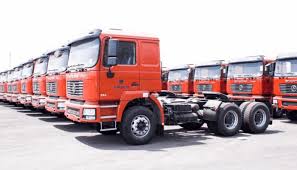
Type of vehicles produced: Trucks and buses/MAN
- Steyr Nigeria Ltd
Location of the assembly plant: Industrial Estate, P.M.B 0135, Bauchi.
Type of vehicles produced: Trucks, buses, motorcycles, tractors/steyr
- Stallion Nissan Motors Nigeria Ltd
Location of the assembly plant: Lagos
Type of vehicles produced: Cars, SUVs, mini buses, pick-ups/Nissan
- Stallion Motors Ltd
Location of the assembly plant: Lagos
Type of vehicles produced: Trucks, buses/Ashok
Leyland.
- Lafbart Innovations & Consulting Ltd.
Location of the assembly plant: Ilesha-owo Expressway, Akure.
Type of vehicles produced: 3-Wheel motor vehicles, ambulance and trucks/Lafbart
- Transit Support Services Ltd.
Location of the assembly plant: Enugu
Type of vehicles produced: Trucks/Shacman (used by Dangote etc.)
- Zahav Automotive Co. Nig. Ltd
Location of the assembly plant: Lagos
Type of vehicles produced: Cars, trucks and buses
- VON Automobile Nigeria Ltd
Location of the assembly plant: Lagos
Type of vehicles produced: Buses and trucks,
armored cars, SUVs/Asok Leyland, Proforce
- Dana Motors Ltd.
Location of the assembly plant: Lagos
Type of vehicles produced: Cars, SUV, and Mini
Buses/Renault, KIA.
- Nigeria Sino Trucks Limited
Location of the assembly plant: Lagos
Type of vehicles produced: Sino Trucks
- Hyundai Motors Nig. Ltd.
Location of the assembly plant: Lagos
Type of vehicles produced: Cars, trucks and buses/Hyundai
- Perfection Motors Co. Limited
Location of the assembly plant: Lagos
Type of vehicles produced: FAW Trucks
- Richbon Nigeria Limited
Location of the assembly plant: Enugu
Type of vehicles produced: Sino trucks and Xiamen
King long buses.
- Eastern Vehicle Assembling Limited
Location of the assembly plant: Enugu
Type of vehicles produced: BIGST SUV, Pick-up
(Nigerian Brands)
- Nigeria-China Manufacturing Company Ltd
Location of the assembly plant: Lagos
Type of vehicles produced: Hentong Buses, SUV, and Passenger cars
- Transguinea Ltd. / Leventis Motors (A division of A.G. Leventis Nig. Plc.)
Location of the assembly plant: Ibadan
Type of vehicles produced: Trucks, buses/Foton, Eichel
- Honda Automobile Western Africa Limited
Location of the assembly plant: Lagos
Type of vehicles produced: Cars & SUVs
- Tilad Nigeria Ltd
Location of the assembly plant: Osogbo
Type of vehicles produced: Mini-buses/ Shinnery
25 R. T. Briscoe Nigeria Limited
Location of the assembly plant: Lagos
Type of vehicles produced: BYD Buses and Trucks
- Aston Motors
Location of the assembly plant: Lagos
Type of vehicles produced: Trucks/Aston
- Globe Motors Nigeria Limited
Location of the assembly plant: Lagos
Type of vehicles produced: Mini bus, Pick-up, SUV
And Passengers cars/Higer
28 Toyota Nigeria Limited
Location of the assembly plant: Lagos
Type of vehicles produced: Light Commercial
Vehicles (LCU)/ Toyota
29 Coscharis Motors Ltd.
Location of the assembly plant: Lagos
Type of vehicles produced: Cars, Commercial
vehicles and Pick-ups/MG,
30 Coscharis Motors Assembly Ltd.
Location of the assembly plant: Lagos
Type of vehicles produced: Cars, SUVs and Pickup/Ford brands
31 Basco Nigeria Limited
Location of the assembly plant: Ibadan
Type of vehicles produced: JAC Trucks
32 Lanreshittu Motors Nigeria Ltd
Location of the assembly plant: Lagos
Type of vehicles produced: JAC Trucks
CFAO Motors Nigeria Ltd
Location of the assembly plant: Lagos
Type of vehicles produced: Mitsubishi and Fuso Trucks and Buses
34 Kewairams Chawrai Nig Ltd
Location of the assembly plant: Lagos.
Type of vehicles produced: Chery Passengers cars and SUV’S Foton Minibuses, Pick-ups and Foton Medium and Heavy Duty Trucks.
35 Koncept Autocentre Nig Ltd
Location of the assembly plant: Lagos
Type of vehicles produced: Isuzu Trucks
Obtaining Business License/Permits
According to Law Business Research online publication (2004-2006)
Nigeria has several legal frameworks that govern the establishment of businesses be it a company, business name, partnership etc. The recently assented Companies and Allied Matters Act (CAMA), 2020 has introduced various innovations that make such establishment easier. The procedure is seamless, processed online and takes a few days to complete any incorporation.
There are additional requirements for a foreigner or foreign company intending to start a business in Nigeria, which will be discussed below in this article. By and large, every business requiring legal recognition in Nigeria must successfully do the following to set up a legal entity within Nigeria:
Registration with the Corporate Affairs Commission
The first step is to register with the Corporate Affairs Commission (CAC), the government agency authorized to register businesses in Nigeria. The Companies and Allied Matters Act, 2020 offers a wide range of forms a business can be registered, which includes business name, Limited Liability Company or limited liability partnership. For individuals, either locals or foreigners starting a business in Nigeria, the most suitable form of incorporation for them is a private limited liability company, which creates a separate legal entity that bears the liability of the company and the members liability is limited to the number of shares unpaid by them. Under the CAMA 2020, which takes effect on January 2021, the mandatory requirement of having to hire a company secretary has been dispensed with. Also, a small company needs not to mandatorily retain an auditor.
By section 18(2) of CAMA 2020, a private company can be formed by just one person. In addition to this, a foreigner must also comply with the provisions of other enactments to form a company in Nigeria.
Thus, to engage in business in Nigeria, the business must first be registered with the CAC.
Registration with the Nigerian Investment Promotion Commission (NIPC)
The NIPC was established by the National Investment Promotion Commission Act, which regulates foreign investments in Nigeria. The Act further requires that upon registration with the CAC, every company with foreign participation must proceed to register with the NIPC before commencing business. The documents majorly required for this are documents obtained upon incorporation with the CAC. Registration with the NIPC also entitles such foreign investor to several incentives such as pioneer status, which enables the company participating in pioneer business to obtain certain tax incentives.
Registration with the Federal Inland Revenue Service (FIRS)
The FIRS was established by the Federal Inland Revenue Service (Establishment) Act which controls and administers federal tax in Nigeria. This registration is mandatory and is considered an offence where any business fails to remit the appropriate tax to the FIRS. Every company must register and open a tax file at the nearest FIRS office to the company’s registered office address. Furthermore, tax registration and tax clearance certificate are required when applying for any licenses to operate in any businesses or sectors that are specially regulated. It is also mandatory for a company intending to obtain government contracts.
Obtaining a Business Permit, Expatriate Quota & Work Permit
This applies to businesses wholly owned by foreigners and does not apply to those where ownerships are shared between foreigners and citizens. It is obtained from the Ministry of Interiors to enable a foreign-owned company to start and operate a business in Nigeria.
An expatriate quota is granted by the Minister of Interior Affairs to any company in Nigeria intending to employ foreigners in its ranks. This, however, does not qualify as a work permit which must be applied for separately to enable the foreigner to reside and work in Nigeria. The Combined Expatriate Residence and Aliens Card (CERPAC) serves the purpose of work permit and is issued by the Comptroller General of the Nigerian Immigration Service or Comptroller of Immigration Service in various states.
Statutory Licenses and Permits
This requirement is largely dependent on the business an entity seeks to venture into. As stated earlier, some businesses need to be specially regulated to protect its stakeholders such as the consumers of this product or its beneficiaries to ensure that in the delivery of this good or service meets the best standards. For instance, where a company seeks to trade in pharmaceutical products, a permit must be obtained from the National Agency for Food and Drug Consumption (NAFDAC). Also, for a company venturing into the telecommunication business, a license is required from the Nigerian Communications Commission.
Finally, for an individual or group of individuals who intend to start a business in Nigeria, the above steps need to be strictly followed. It is also noteworthy to state that any foreigner who registered a company in Nigeria cannot become a signatory to a Nigerian bank unless such person has obtained the Nigerian work permit or employ a local citizen that can be authorized to do so.
Get started
– Call-to-action to contact for a consultation
Tel: (+234) 802 320 0801, (+234) 807 576 5799)
E-Mail: info@qeeva.com
Office Address: 5, Ishola Bello Close, Off Iyalla Street, Alausa, Ikeja, Lagos, Nigeria.
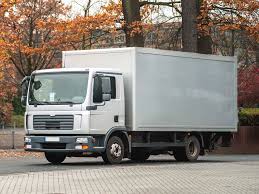 Planning The Organization
BUSSINESS LOCATION:
Acquiring a business location is a critical decision that can significantly impact the success of your business. Several factors should be carefully considered when choosing the right location for your business. Here are key factors to take into account:
Demographics: Consider the demographic characteristics of the area, including age, income levels, education, and cultural diversity. Ensure that the target market aligns with the demographic profile of the location
Foot Traffic and Accessibility: Assess the level of foot traffic in the area, especially if you rely on walk-in customers. Consider the accessibility of the location for both customers and employees, including proximity to major roads, public transportation, and parking facilities.
Competition: Analyze the level of competition in the area. Consider the presence of similar businesses and whether the market can support additional competitors. Evaluate the strengths and weaknesses of competitors in the vicinity.
Costs and Affordability: Evaluate the overall cost of the location, including rent or purchase price, utilities, and property taxes. Ensure that the chosen location is financially sustainable and aligns with your budget.
Zoning and Regulations: Understand local zoning regulations and business licensing requirements. Ensure that the chosen location complies with these regulations to avoid legal issues in the future.
Infrastructure and Amenities: Assess the availability of essential infrastructure, such as reliable utilities, internet connectivity, and other necessary services. Consider nearby amenities like restaurants, banks, and other facilities that may be beneficial for both customers and employees.
Future Development Plans: Research any upcoming developments or construction projects in the area. Understanding the future plans for the region can help you anticipate changes that may affect your business.
Security and Safety: Evaluate the safety and security of the location, considering crime rates, lighting, and the overall safety of the surrounding area. A secure environment is crucial for the well-being of your employees and customers.
Local Economy: Analyze the economic stability and growth potential of the local area. Consider factors such as employment rates, income levels, and the overall economic health of the community.
Space Requirements: Determine whether the available space meets your business requirements in terms of size, layout, and any specific needs related to your industry.
Scalability: Consider the potential for business growth and expansion in the chosen location. Ensure that the space can accommodate future needs and increased demand.
Community and Brand Image: Assess the image and reputation of the community. Consider whether the location aligns with the brand image you want to project and if it resonates with your target audience.
How To Acquire Property for Your Truck and Bus Manufacturing.
The following are the ways you can acquire property for the establishment of your truck and bus manufacturing company.
- Real Estate Financing
- Sale-Leaseback Agreements
- Hiring Manpower for your Business
- Purchase
- Lease
- Build-to-Suit
- Joint Ventures
Staffs Employment
Clearly Define Job Requirements: Clearly outline the qualifications, skills, and experience required for the position. This will help attract candidates who are a good fit for the role.
Effective Job Descriptions: Craft compelling and detailed job descriptions that accurately represent the responsibilities and expectations of the role. Highlight opportunities for growth within the company.
Use Multiple Recruitment Channels: Utilize a variety of recruitment channels, such as online job boards, social media, networking events, and employee referrals, to reach a diverse pool of candidates.
Thorough Screening Process: Implement a thorough screening process, including resume reviews, phone interviews, and skills assessments. This helps identify candidates who not only meet the technical requirements but also align with the company culture.
Behavioral Interviews: Conduct behavioral interviews to assess how candidates have handled situations in the past. This provides insights into their problem-solving skills, communication style, and cultural fit.
Reference Checks: Verify the candidate’s professional background through reference checks. This ensures that the information provided by the candidate is accurate and gives a better understanding of their work history.
Assess Cultural Fit: Consider the candidate’s compatibility with the company’s values and culture. A good cultural fit contributes to better team dynamics and overall job satisfaction.
Provide Competitive Compensation: Offer competitive compensation packages to attract top talent. Research industry standards and adjust salaries and benefits accordingly.
Invest in Onboarding: Develop a comprehensive onboarding program to help new hires integrate into the company seamlessly. A well-structured onboarding process contributes to employee retention.
Continuous Training and Development: Provide opportunities for continuous training and development to help employees enhance their skills and stay engaged in their roles.
Get started
– Call-to-action to contact for a consultation
Tel: (+234) 802 320 0801, (+234) 807 576 5799)
E-Mail: info@qeeva.com
Office Address: 5, Ishola Bello Close, Off Iyalla Street, Alausa, Ikeja, Lagos, Nigeria.
Writing A Compelling Business Plan
A well-crafted business plan is not merely a formality but a dynamic roadmap that guides entrepreneurs through the intricacies of their venture. The business must cover the below:
Executive Summary:
- A concise overview of the business, including its mission, vision, and a snapshot of key financial projections. Despite its brevity, the executive summary sets the tone for the entire plan.
Business Description:
- A detailed account of the business, its history, mission statement, and the problem or need it aims to address in the market.
Market Analysis:
- Examination of the industry landscape, target market, competitor analysis, and identification of opportunities and challenges.
Organization and Management:
- Details about the organizational structure, key team members, their roles, and how their skills contribute to the success of the business.
Products or Services:
- A thorough description of the products or services offered, including their unique selling points, features, and benefits.
Marketing and Sales Strategy:
- A plan for reaching the target audience, promoting products or services, and achieving sales goals.
Funding Request (if applicable):
- If seeking external funding, this section outlines the amount required, how it will be used, and the potential return on investment.
Financial Projections:
- Detailed financial forecasts, including income statements, balance sheets, and cash flow statements, providing a roadmap for financial success.
Appendix:
- Supplementary materials such as resumes of key team members, additional charts or graphs, legal documents, or any other relevant supporting information.
Conclusion
Conclusively speaking, truck and bus manufacturing company is capital intensive, there are various types of truck and bus, you need to define your niche well to know where you wanted to professionally major on for proficiency and to gain recognition in the market space. Currently in Nigeria, the truck and bus manufacturing company market has not been crowded like other industries who have been excessively jam-packed like other sectors. It is however advisable that anyone who has the wherewithal to venture into this uncrowded lucrative business, although it is capital intensive but it is also profit oriented, it has massive gains of booming a nation’s economy and one’s financial status but ensure not to venture into such business without carrying out the real market research, feasibility study and registering with the required governing bodies as it has been discussed in this article.
Get started
– Call-to-action to contact for a consultation
Tel: (+234) 802 320 0801, (+234) 807 576 5799)
E-Mail: info@qeeva.com
Office Address: 5, Ishola Bello Close, Off Iyalla Street, Alausa, Ikeja, Lagos, Nigeria.
FAQ
Choosing Pay TV and IPTV
- Pay TV: Traditional services such as DStv and GOtv deliver TV signals via satellite or cable. They offer a variety of channels, often with local and international options, but can be expensive.
- IPTV: Uses your Internet connection to stream TV channels and video-on-demand content. IPTV can be cheaper than pay TV and offer more flexibility in terms of device compatibility. However, reliable internet speed is crucial for a smooth user experience.
Here are some frequently asked questions about both:
General
- Availability: Not all service providers offer service in all areas of Nigeria. Check their website or call customer service to confirm coverage in your area.
- Installation: Both usually require professional installation, although IPTV can install itself on some smart TVs.
- Contracts: Most service providers often require 12-month contracts. Be sure to understand the terms before signing.
Pay TV
- Decoder: To use the channels, you need a decoder provided by the service provider.
- Subscription packages: choose the package that fits your needs and budget. Packages vary depending on channel selection and price.
- Additional costs: installation fees and possible monthly equipment rental costs.
IPTV
- Internet Speed: A strong and stable Internet connection is essential for uninterrupted viewing. A speed of at least 10 Mbps is recommended for HD quality.
- Device compatibility: Make sure your TV or streaming device is compatible with the IPTV provider’s application or service. Some service providers offer separate tuners.
- Legality: Beware of unlicensed IPTV services that offer paid channels at very low prices. They may be unreliable and violate copyright laws.
Here are some other things to consider• Content selection: Check the channel list provided by each service provider to make sure it includes the channels you want to watch.
- Customer Service: In case of problems, check the customer service reputation of each provider.
- Discounts: Look for deals and discounts that can lower your initial setup costs or monthly subscription fees.
Pricing
– In Qeeva intelligence and marketing business, we adopt the transparent pricing model
– We have different packages/options available to suite your budget and business needs
– Please contact us for a custom quote