

Accessing Funding for Modular Refinery Establishment in Nigeria

Introduction
In Nigeria, the conversation around refining crude oil has always been tied to large-scale conventional refineries. But over the years, many of these larger facilities have struggled; either they are not working at full capacity or they have shut down entirely. This has left a gap between what we produce and what we can refine locally. As a result, Nigeria still imports most of its refined petroleum products, even though we are one of the biggest crude oil producers in Africa.
To solve this issue, modular refineries came into the picture and started gaining attention. Before we move on, what are Modular refineries? Simply put, modular refineries are smaller, flexible refinery units that are easier and quicker to set up compared to traditional refineries. Their duty is not to replace large-scale facilities, but they can help process crude oil locally on a smaller, more manageable scale. Because they don’t require the same massive infrastructure. Modular refineries have become a more realistic option, especially for private Nigerian investors looking to enter the refining space.
Importance of Modular Refineries for National Development
The importance of modular refineries cannot be overemphasized; they help reduce Nigeria’s reliance on imported fuel. This saves the country a lot of foreign exchange. Modular refineries create jobs; both directly through construction and operations, and indirectly through supply chains and local services.
Many illegal refining activities in the Niger Delta have damaged the environment and communities but Modular refineries have offered a legal and cleaner alternative to help eradicate such act. By encouraging modular refinery development, the country will not only boost its refining capacity but it will further help address illegal refining and its harmful effects.
Therefore, when we take a close look, we will realize that modular refineries are contributing to energy security, economic growth, industrial development, and environmental protection. They also help stimulate local enterprise and open new investment opportunities, especially for indigenous players.
Role of the NCDMB in Supporting Modular Refinery Projects
The Nigerian Content Development and Monitoring Board (NCDMB) plays a major role in ensuring that Nigerians are fully involved in the oil and gas industry; not just as bystanders but as active participants. One of its goals is to increase local content, which means more Nigerian ownership, manpower, materials, and expertise in the sector.
To help drive this goal, the NCDMB has taken deliberate steps to support modular refinery projects. The Board does not just promote local content in abstract form; it backs it up with targeted support for real projects. Recognizing that many local investors lack access to the huge capital required to build refineries, the NCDMB designed a strategy to provide financial support to qualified companies.
This support does not only involve money, but includes technical guidance, partnerships, and oversight to ensure that projects are well-executed and compliant with industry standards.

Overview of the NCDMB Financial Intervention Scheme
The NCDMB’s financial intervention scheme was created to help close the funding gap for modular refinery projects. Setting up even a small refinery requires a lot of money, and banks don’t always offer favorable terms, especially for newer or smaller players. This is where the Board comes in.
Under the scheme, the NCDMB offers financial support to indigenous companies that meet specific criteria. The idea is to provide capital that can help move modular refinery projects from paper to the ground; construction, commissioning, and operation. But this isn’t free money. The Board is looking to partner with serious, capable promoters who have a clear plan, strong business case, and commitment to local content.
The scheme includes clear guidelines; what’s required technically, financially, and operationally. There are limits to how much support the NCDMB can provide, and companies must meet ownership and project readiness conditions. But when all the boxes are ticked, the scheme offers a real pathway for Nigerian businesses to enter the downstream refining space.
In simple terms, the NCDMB financial intervention is a tool to make modular refinery dreams a reality for credible Nigerian entrepreneurs. It’s part of a broader push to make the country more self-reliant, create jobs, reduce fuel imports, and bring real change to the oil and gas landscape.
Objectives of the NCDMB Financial Intervention
The Nigerian Content Development and Monitoring Board (NCDMB) did not create its financial intervention program for modular refineries by accident. It was a deliberate move aimed at solving real problems in the oil and gas industry, especially in the downstream segment. The intervention has clear objectives that tie directly into national priorities; local participation, environmental protection, security, and economic development. The objectives of the NCDMB financial intervention includes the following;
Support for Indigenous Participation in Refinery Development
One of the most important reasons for this intervention is to give indigenous companies a real chance to take part in building and running refineries. For too long, the oil and gas sector in Nigeria has been dominated by foreign players, especially in capital-intensive areas like refining. While Nigerians have the knowledge and the drive, many do not have access to the funding and partnerships needed to start such large projects.
The NCDMB wants to change things with this simple idea that: if Nigerians own the resources, they should also have a fair opportunity to process and benefit from them. By supporting indigenous refinery promoters, the Board helps shift the industry towards local ownership and control. This includes not just the business owners, but also local professionals, engineers, consultants, and service providers.
With financial backing from the NCDMB, more Nigerian businesses can take the lead in the refining space; something that was almost impossible in the past due to the high cost of entry. It’s a major step toward reducing dependency on foreign capital and expertise.
Promotion of Environmentally Sustainable Refining Practices
Refining petroleum comes with environmental risks if not done properly. It can lead to air and water pollution, land degradation, and health problems for surrounding communities. Unfortunately, illegal and unregulated refining activities have made this problem worse, especially in the Niger Delta. These illegal refineries operate without safety measures or environmental controls, often causing oil spills, toxic fumes, and fire outbreaks.
The NCDMB’s intervention supports refinery projects that are properly licensed, well-designed, and committed to safety and sustainability. The Board expects modular refineries to meet environmental standards, use cleaner technologies, and manage waste responsibly. This isn’t just a checkbox; it’s a core requirement. The goal is to encourage refining methods that don’t harm people or the environment.
This also aligns with Nigeria’s broader climate commitments and the global shift toward more responsible energy practices. By backing sustainable refining, the NCDMB helps Nigeria balance its energy needs with environmental care.

Elimination of Illegal Refineries and Improvement of Security
Illegal refining is not only an environmental issue; it’s also a serious security challenge. These refineries are often located in remote areas, and their operations are linked to crude oil theft, pipeline vandalism, and armed conflicts. They also destroy infrastructure and create instability in oil-producing communities.
The NCDMB’s financial support for modular refineries is part of a bigger effort to solve this problem. By giving local investors the tools and funding to build legal, profitable refineries, the Board is creating an alternative to illegal refining. When legitimate business opportunities are available, people are less likely to turn to unsafe or illegal options.
Also, properly regulated modular refineries help government agencies monitor crude usage and product output. This makes the supply chain more transparent and secure. In the long run, reducing illegal refining means fewer environmental disasters, less sabotage of oil infrastructure, and safer communities.
Economic Empowerment and Industrial Growth in the Niger Delta
The Niger Delta is the heart of Nigeria’s oil production, but it has not always seen the full economic benefits of this status. For decades, the region has faced underdevelopment, unemployment, pollution, and unrest. One of the goals of the NCDMB intervention is to use modular refineries as tools for changing that story.
By placing more modular refineries in the Niger Delta, especially those led by local entrepreneurs, the Board is driving investment into the region. Each refinery brings construction jobs, long-term employment, business for local suppliers, and opportunities for skills development. It also creates a ripple effect; more demand for housing, transportation, food, and other services.
Beyond jobs, the presence of these refineries can support industrial growth. When there is access to refined products locally, industries that depend on diesel, kerosene, or other fuels can operate more efficiently and at a lower cost. That supports the broader economy and reduces the pressure on imported fuel.
Therefore, this intervention is not just about oil; it’s about giving the Niger Delta a stronger and more stable economy.
In summary, the NCDMB financial intervention in modular refineries is designed to support Nigerian ownership, protect the environment, reduce security risks, and drive development in oil-producing regions. It’s a targeted and thoughtful program aimed at solving real challenges with practical solutions. The Board is not just funding projects; it is helping build a more balanced, inclusive, and self-reliant oil and gas sector.
Eligibility Criteria for Financial Support
Getting funding from the Nigerian Content Development and Monitoring Board (NCDMB) is not automatic. This because the Board has laid down clear rules about who qualifies. These rules are meant to ensure that the support goes to businesses that are not only serious, but also aligned with national goals; especially in terms of local ownership, industry experience, project feasibility, and impact.
Now, let us consider the main things a promoter must meet before they can be considered for financial support under the modular refinery scheme.

Minimum 51% Nigerian Ownership
First and most importantly, the refinery project must be majority-owned by Nigerians. That means at least 51% of the ownership must be in Nigerian hands. This rule reflects the core mission of the NCDMB, which is to promote local content in the oil and gas industry.
It is not enough to register a company in Nigeria; actual ownership and control must rest with Nigerian citizens or entities. This ensures that the economic benefits of the refinery; profits, jobs, capacity building, and decision-making; stay within the country.
This requirement also helps develop Nigerian expertise and business leadership in refining, which has traditionally been dominated by foreign companies. If you are looking forward to qualify, you will need to prove this with official documents such as shareholding structure, CAC registration, and other legal evidence of ownership.
Promoter Must Be a Going Concern in the Oil and Gas Sector
Another key requirement is that the project promoter must already be active in the oil and gas industry. In other words, you can’t be starting from scratch. The company applying for funding must have some track record; some proof that it knows how the industry works.
This could include activities like oil servicing, logistics, upstream or midstream operations, or even experience in trading petroleum products. What matters is that the company isn’t new to the business and has a working understanding of the risks, regulations, and technical requirements of oil and gas operations.
This requirement helps reduce risk for both the promoter and the Board. It means the people behind the project are more likely to have industry knowledge, technical connections, and a realistic plan. It also signals that the business has some operational capacity and isn’t just an idea on paper.
Project Must Be Within 1,000 – 5,000 Barrels Per Day (BOPD) Capacity
The NCDMB financial intervention is specifically designed for small-scale modular refineries, not large or mega plants. The Board has clearly defined the acceptable size: between 1,000 and 5,000 barrels of oil per day (bopd).
This size range is deliberate, it strikes a balance between affordability, local capacity, and impact. A project below 1,000 bopd may not be economically viable, while anything above 5,000 bopd starts to move into a different class of project; one that may require a much higher level of capital, infrastructure, and regulatory oversight.
By focusing on this range, the NCDMB aims to support scalable projects that can be delivered within a reasonable time and budget. These modular units are easier to finance, faster to construct, and flexible enough to expand in phases if needed.
If your proposed refinery falls outside this capacity range, it may not qualify for support under this scheme.
Preferable Location in the Niger Delta Region
While the Board doesn’t make it compulsory to build in the Niger Delta, it makes a strong case for placing projects there. And for good reason.
The Niger Delta is the hub of Nigeria’s oil production. Locating modular refineries close to crude oil sources makes a lot of sense. It reduces logistics costs, makes feedstock supply easier, and lowers the risk of disruptions due to pipeline vandalism. It also allows quicker access to skilled labor and existing infrastructure.
Beyond logistics, there’s also the developmental angle. The region has suffered from years of underdevelopment, environmental damage, and unrest. Modular refineries can help address some of those problems by creating jobs, attracting investment, and reducing illegal refining activities.
So, while you can propose a refinery in another part of Nigeria, having it in the Niger Delta may increase your chances of approval and support; because it aligns better with the Board’s regional development goals.
In Summary, to qualify for NCDMB’s financial support, you must show that your project is local, serious, realistic, and impactful. You must:
Prove majority Nigerian ownership (51% or more),
Already be active in the oil and gas industry,
Keep your project within the 1,000–5,000 bopd range, and
Preferably, locate your refinery in the Niger Delta for better access and bigger impact.
Meeting these criteria does not guarantee approval, but it’s the first and most important step toward accessing the funding and support you need to build a modular refinery in Nigeria.
Categories of Requirements
Before the NCDMB can approve funding or support for any modular refinery project, it needs to be sure the proposal is complete, credible, and ready for execution. To make this assessment, the Board has grouped the key expectations into four main categories: Technical, Financial and Commercial, Regulatory, and Project Delivery.
Each category focuses on a different part of the project, but together, they give a full picture of your preparedness. These requirements help the Board confirm that the project is technically sound, financially viable, legally compliant, and practically deliverable.
Meeting these requirements helps you build a stronger, more realistic project plan. The categories include the following;
- Technical Requirements
Before any refinery project can get financial support from the NCDMB, it must prove that it is technically sound. This is important because even if a project looks good on paper financially, it will not succeed if the technical side is not properly planned and presented.
These technical requirements serve as a checklist. They help the Board understand how feasible the project is, how safe it will be, and whether it fits into the broader goals of responsible refining and local development. Each item on the list speaks to the project’s structure, location, design, inputs, outputs, and safety measures. Now, let us go through them in details:
Project Location and Environmental Context
Where you plan to site your refinery matters a great deal, the Board wants to see that you have carefully considered the physical location of the project; not just on a map, but in terms of its surrounding environment.
Things like topography, proximity to crude oil sources, flood risks, and distance to residential areas all come into play. If the area is prone to erosion, flooding, or civil unrest, those are red flags. A good location should be relatively stable, safe, and close to key infrastructure like roads, pipelines, and power supply.
In addition, the project must show how the surrounding environment will be protected. This includes initial studies and plans for managing possible environmental impacts; like emissions, noise, and waste. This tells the Board that you’re not just thinking about the business side, but also about the people and environment around the refinery.
Accessibility and Land Acquisition Status
The refinery site must be reachable by road or water, depending on your logistics setup. You should be able to move construction materials, feedstock, and finished products in and out easily.
On top of that, the land must either be fully acquired or in the process of being legally secured. This means there should be proper documentation to show that the promoters either own the land or have a lease arrangement. The Board will want to see proof of land ownership or a long-term lease agreement, backed by official records. This reduces the risk of legal disputes or delays due to land issues.
Having land issues unresolved is one of the fastest ways to lose investor confidence or have a project stuck at the planning stage.
Refinery Nameplate Capacity
Nameplate capacity refers to how much crude oil your refinery is designed to process per day under ideal conditions. For modular refineries seeking NCDMB support, this should fall between 1,000 and 5,000 barrels per day (bopd).
You need to be clear and specific about this figure. It helps the Board assess the size of your project, the scale of impact, and the kind of support you might need. It also connects directly to the technical setup and infrastructure required.
A vague or inconsistent capacity figure can signal weak planning, so clarity here builds trust in your proposal.
Source of Crude Feedstock
Every refinery needs crude oil to run, so you must explain exactly where yours will come from. Will you get it directly from an oil-producing company, or from the open market? Do you have an agreement with a marginal field operator or an MOU with an upstream company?
The Board wants to be sure that your crude supply is secure and reliable. If feedstock is uncertain, then your entire business plan is at risk. Without feedstock, there’s no refining; no matter how great your plant is. So, the application must include a clear sourcing strategy, with supporting documents if available.
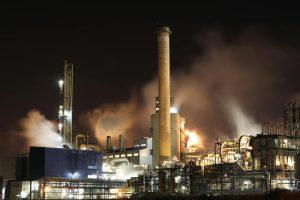
Process Description and Plant Layout
This part explains how the refinery will work, technically. What kind of refining process will you use? What equipment will be installed? What stages will the crude oil go through before turning into finished products?
You don’t have to go into overly complex engineering language, but you must show a solid understanding of how the plant will function. The layout of the plant should also be clear. Where will the crude enter? Where are the storage tanks? How is the control room placed in relation to the processing units?
A proper process flow diagram (PFD) or block diagram is usually helpful here. This gives the Board and technical evaluators confidence that the project has been professionally designed and can operate safely and efficiently.
Yield of Finished Products and Evacuation Strategy
This section focuses on your output. What products will your refinery produce? Examples might include diesel, naphtha, kerosene, fuel oil, or LPG. You’ll need to provide expected product yield percentages from each barrel of crude processed.
Equally important is your evacuation plan. Once these products are refined, how will you store and distribute them? Will you use trucks, barges, pipelines, or tank farms? Where are your target markets located?
A weak evacuation strategy can lead to bottlenecks and losses. The Board wants to see that you’ve thought through not just production but also product movement; safely, legally, and profitably.
Treatment of By-products
Refining creates by-products; some of which can be useful, while others can be hazardous. You must explain how your project will handle waste materials, residues, sludges, and other secondary outputs.
Will you sell the by-products, recycle them, or dispose of them? If disposal is required, what method will you use? And does it comply with national environmental standards?
This shows the Board that you are responsible and serious about environmental safety; not just profitability.
Safety, Health, and Environmental (SHE) Compliance
Finally, your refinery must prioritize safety. You’re dealing with flammable materials, heavy machinery, and high temperatures. The risk of fire, explosion, or toxic exposure is real.
So, you need a documented plan that shows how you will keep workers safe, protect the public, and minimize harm to the environment. This should include emergency response plans, fire control systems, staff training, and compliance with local and international safety laws.
Projects that ignore safety planning are rarely approved. The NCDMB is very clear on this: you must build and operate in a way that protects people and nature.
In Summary, technical requirements are the foundation of a working, safe, and sustainable refinery. When applying for financial support from the NCDMB, your proposal must:
- Show a clear and well-thought-out location strategy
- Prove that the land is accessible and legally secured
- State your design capacity and how it will be achieved
- Confirm a reliable source of crude oil
- Explain your plant design and process flow
- Outline the products you’ll produce and how you’ll distribute them
- Detail how you will handle waste
- Include strong safety and environmental protection plans
Meeting these requirements builds credibility and increases your chances of getting the support you need to make your refinery project a reality.
- Financial and Commercial Requirements
A refinery project can only move from paper to real construction when there is money behind it. That’s why your financial and commercial readiness is a big part of your application for NCDMB support. The Board needs to know that you understand the cost of your project, how it will be funded, how you’ll make money, and how the business will stay sustainable.
This part of the proposal is about being practical. You’re expected to show that the numbers make sense and that there is a clear strategy for turning investment into income. Below are the key areas the Board expects you to cover under financial and commercial requirements:
Banking and Financial Institution Details
Start by stating who your bankers are. This includes the names of the banks or financial institutions your company currently works with. You should also include their contact information and any letters of relationship or banking history if available.
The goal here is to show that you have a solid banking relationship. It also helps the NCDMB evaluate your financial standing and credibility. A project backed by a known and reliable bank is often easier to finance, and it gives confidence that you have some level of financial discipline and operational structure.
Equity Structure and Funding Partners
The Board wants to know who owns the business and how much each party is contributing. Your equity structure should be clearly broken down; whether it’s owned by individual promoters, corporate entities, or a mix of both.
Also, if there are other partners funding the project; private investors, institutional funders, or joint venture partners; this is where you mention them. You need to show the role each party is playing, especially in terms of financial input.
This section helps the Board assess how serious and committed the owners are. If the promoter is contributing a reasonable portion of the funds (typically 20–25%), it shows commitment. Projects that are entirely dependent on external funding may raise red flags unless there is strong justification.
Existing Debt Profile and Current Capitalization
Transparency is key. You must disclose your current debt obligations. This includes loans from banks, corporate bonds, or any other form of liability. The Board wants to understand how much debt your company is already carrying and whether you have the capacity to take on more without running into financial trouble.
You should also include your current capitalization; this refers to the total amount of capital you’ve raised to date, including equity and debt. Together, these numbers give a picture of your financial strength and the financial health of your company.
A clean and manageable debt profile boosts your credibility and shows you are financially responsible.
Total Capital Requirements
Next, state how much the entire refinery project will cost. This figure should be comprehensive. Include costs for land, engineering designs, construction, equipment (including OEM procurement), licenses, staff, infrastructure, logistics, commissioning, and contingency funds.
Break the costs into clear categories where possible. The Board needs to know that you’ve done your homework and aren’t just guessing. If you understate or overstate your capital needs, it could affect your chances of getting support; or worse, lead to project failure down the line.
Specific Funding Request from NCDMB
This is where you state how much support you are asking for from the NCDMB. Be clear and realistic. Don’t just throw out a big number; show why you need that amount and how you plan to use it.
Also, clarify the form of support you are requesting. Is it debt financing (a loan), equity participation (where the Board becomes a part-owner), or a combination of both? Make sure this request fits within the broader financial plan for the project and aligns with what NCDMB is allowed to offer.
Remember, the Board cannot contribute more than what the promoter is putting in. In exceptional cases, more support may be considered, but that requires special approval from their governing council.
Market Analysis, Strategy, and Sales Plan
You need a solid market plan in order to succeed in the market terrain, to do this, you should explain:
Who your buyers will be (e.g., local distributors, industrial users, export markets),
What products you will sell (e.g., diesel, fuel oil, naphtha),
How your prices will compare in the market,
What distribution methods you’ll use (e.g., trucks, pipelines, barges), and
How you’ll keep up with demand.
Also show your understanding of the current market conditions. What are the market trends, risks, and opportunities? Is there unmet demand in the area? Are your competitors strong or weak? This part shows the Board that your business can actually survive and generate revenue once it begins operations.
Financial Projections and ROI Expectations
Finally, present your financial projections. This should cover at least 5 to 7 years and include:
Projected revenue (based on realistic product prices),
Operating expenses,
Gross and net profit,
Break-even point,
Payback period (not more than 5 years, ideally),
Expected return on investment (ROI), and
Internal Rate of Return (IRR); which should fall between 25% and 30%.
These numbers are critical. They help the NCDMB evaluate if the project is bankable. Your projections must be based on realistic market assumptions and technical data.
Also, explain the assumptions behind your numbers. For example, what crude price and product yield are you working with? What exchange rate are you using? Laying out your logic shows that you’ve thought things through.
In Summary, the financial and commercial requirements section tells the NCDMB how financially prepared you are. To succeed, you must show that:
- You have a trustworthy financial history and banking support,
- Your ownership and investment structure is clear and serious,
- You understand your current financial position,
- You know how much the project will cost and how to fund it,
- You’ve studied your market and have a plan to sell your products, and
- You can back up your numbers with real data and sound projections.
- Regulatory Requirements
Every modular refinery project must meet certain legal and regulatory standards before it can receive financial support. These requirements are not just formalities; they are in place to ensure that the company is legitimate, well-organized, and in full compliance with Nigerian laws and oil and gas regulations.
The NCDMB expects each applicant to present a clear picture of its legal standing, internal structure, technical leadership, and regulatory approvals. This helps the Board confirm that the project is well-governed, properly licensed, and capable of operating in line with national and environmental laws. Therefore now, let us talk about what the Board will really be focusing on when it comes to regulatory requirements, they are as follows;
Corporate Profile and Structure
Your corporate profile is the starting point, this is where you introduce your company; who you are, when you were established, what your business does, and what your long-term goals are. It should be short, clear, and relevant.
Along with that, you need to present your company structure. This includes the names and roles of directors, shareholders, senior managers, and any subsidiaries or related entities. The Board wants to see how your organization is set up, who is in charge, and how responsibilities are divided.
This gives confidence that the company is professionally run and has the internal systems needed to manage a capital-intensive project like a modular refinery.
CAC Registration and Corporate Documents
The next step is showing proof that your company is legally registered in Nigeria. You will need to submit your Corporate Affairs Commission (CAC) registration documents. This includes:
- Certificate of Incorporation,
- Memorandum and Articles of Association,
- CAC forms showing directors and shareholders, and
- Any name change documentation (if applicable).
These documents prove that your company is a legally recognized entity and allowed to carry out business in Nigeria. Without proper registration, the NCDMB will not consider your proposal, no matter how promising it looks.
It’s also important to ensure that the company’s registered objectives include oil and gas activities; specifically refining; so that there’s no confusion about what your business is legally set up to do.
Management Team Qualifications and Structure
Beyond paperwork, the Board wants to know that your company has the right people to lead the project. This includes the executive team and senior technical personnel.
For each member of the management team, you should provide:
- Their names and roles,
- Their educational background and professional qualifications,
- Their years of experience, especially in oil and gas or refining, and
- Any past projects or achievements that show capability.
A strong management team gives the Board more reason to trust that your company can handle the challenges that come with building and running a modular refinery. It shows that your leadership understands both the technical and business sides of the industry.
Also, make sure the team structure is clear; who reports to whom, and who is responsible for what. A well-defined structure shows good governance and internal control.
DPR Licenses: LTE, ATC, FEED, etc.
No refinery project in Nigeria can move forward without approval from the Department of Petroleum Resources (now part of the Nigerian Upstream Petroleum Regulatory Commission and the Nigerian Midstream and Downstream Petroleum Regulatory Authority under the PIA). These regulatory bodies issue several key licenses, including:
License to Establish (LTE): This is the first approval you need before setting up a refinery. It confirms that your project concept is sound.
Approval to Construct (ATC): This comes after LTE and allows you to start construction.
Front-End Engineering Design (FEED) Approval: This validates your engineering design and ensures the technical integrity of your plant.
Having these licenses (or at least being in the process of obtaining them) is a major signal of seriousness. It shows that your project has passed through the proper technical and regulatory reviews and is on the right track.
You should attach copies of these licenses or letters showing application status. Without them, your project is not considered ready for support.
EIA and Social Impact Assessment Approvals
Every refinery project has some effect on the environment and surrounding communities. That’s why you are required to carry out an Environmental Impact Assessment (EIA) and, where applicable, a Social Impact Assessment (SIA).
The EIA studies the environmental effects of your project; like air pollution, water contamination, and noise. It also outlines the steps you’ll take to reduce these effects. The SIA focuses more on how the project will affect people; like changes in employment, displacement, or local services.
The Federal Ministry of Environment or its accredited agencies must review and approve these reports. Submitting them proves that you’re building your refinery responsibly, with care for people and nature.
In a country like Nigeria, where the oil industry has left deep scars in many host communities, showing that your project is environmentally and socially responsible matters a lot. It also helps you avoid protests, court cases, and shutdowns in the future.
In Summary, regulatory compliance is about showing that your business is real, your project is lawful, and your team is ready. Before the NCDMB considers your proposal, you must show:
- A full company profile and structure,
- Complete CAC registration and legal documents,
- A qualified and experienced management team,
- Valid DPR licenses (or proof of application), and
- Approved environmental and social impact assessments.
Getting these things in place may take time, but they are essential. They not only increase your chances of securing funding; they also set the stage for a smooth and lawful project delivery.
- Project Delivery Strategy
Building a modular refinery requires money, regulatory approval and a clear plan for how the project will be executed from start to finish. That’s where your project delivery strategy comes in.
The NCDMB wants to be sure that once support is granted, the refinery can actually be built and operated successfully. To do this, they will closely assess how you plan to deliver the project, who your technical partners are, how long it will take, what risks you’ve identified, and how you will deal with those risks. The Project Delivery Strategy include the following
EPC or Technical Partner Credentials
Every modular refinery needs an Engineering, Procurement, and Construction (EPC) partner; or at the very least, a qualified technical partner. This is the company (or group of companies) responsible for designing the plant, supplying the materials and equipment, and managing the construction work.
The NCDMB expects you to partner with a firm that has a proven track record. This means they have done this kind of work before, ideally in Nigeria or in similar markets. You should provide:
The name of the EPC or technical partner,
A summary of their relevant experience,
Past modular refinery projects they’ve completed,
Certifications or industry approvals, and
Their role in your specific project (design, procurement, construction, or all three).
Choosing a strong technical partner adds serious weight to your proposal. It reduces the risk of project failure and gives the Board confidence that the refinery will be built to standard, on time, and within budget.
If you’re still negotiating with potential partners, include letters of intent or draft agreements to show progress.
Project Timeline and Delivery Schedule
The Board also wants to see a realistic and well-structured project timeline. This shows how you plan to move from one stage to the next, from the moment funding is approved until the refinery is fully operational.
Your timeline should include:
Design phase (e.g., FEED, detailed engineering),
Equipment procurement and shipping,
Site preparation and construction,
Installation and testing,
Commissioning and start-up.
You should assign timelines to each phase and clearly show when you expect to hit major milestones. For example, “Site clearing – Month 3,” or “Mechanical completion – Month 16.”
This helps the NCDMB measure your level of planning and preparedness. A vague or overly optimistic schedule can be a red flag. A realistic schedule shows professionalism and helps all parties stay accountable.
Risk Analysis and Mitigation Strategies
Every project has risks. The question is: have you identified them, and do you have a plan to deal with them?
In this section, you must list out the major risks that could affect your refinery project. Examples include:
Delay in securing permits,
Fluctuations in crude oil prices,
Issues with crude supply,
Equipment delivery delays,
Security challenges in host communities, or
Cost overruns.
After identifying these risks, explain how you intend to manage or reduce them. For instance:
“To reduce permit delays, we’ve engaged a local regulatory consultant,”
“We’ve signed an MOU with an upstream supplier to secure feedstock,”
“We have insurance for equipment and construction-related risks.”
This tells the NCDMB that you’re not just hopeful; you’re prepared. It shows you understand the terrain and are planning ahead, which is exactly what investors and regulators want to see.
OEM for Refinery Core Equipment
The Original Equipment Manufacturer (OEM) is the company that will supply the core processing units of the refinery. These are the most critical parts of the plant; things like distillation columns, heat exchangers, pumps, and control systems.
The NCDMB wants assurance that your OEM is:
Well-known in the industry,
Technically competent,
Reliable in delivery,
Able to provide after-sales support and spare parts, and
Able to meet Nigerian and international engineering standards.
You must provide the name of the OEM and some background about them. If possible, include examples of other modular refinery units they have supplied.
Choosing a reputable OEM reduces the chance of equipment failure, delays, or the need to replace key components soon after commissioning. It also helps with licensing, insurance, and overall credibility.
In Summary, your project delivery strategy is a major part of what makes your refinery proposal complete. It tells the NCDMB how you plan to move from idea to reality. It should show:
That you’ve chosen a reliable technical or EPC partner,
That your schedule is well thought-out and achievable,
That you’ve identified the risks and have ways to manage them, and
That your core equipment supplier (OEM) is experienced and trusted.
Business Plan and Financial Model
One of the most important things you need when seeking funding from the NCDMB; or any serious investor; is a clear and solid business plan. The Board is not just looking for an idea; they want to see that you’ve mapped out how the business will function, how it will grow, how it will handle risks, and how it will deliver returns.
A business plan is your blueprint for success, it helps the Board to understand your strategy, your market, and your numbers. It also proves that you’re not guessing; you’ve done the thinking, research, and planning that serious projects require.
The following are the key elements you’re expected to include in your business plan and financial model.
Detailed Business Plan Covering Operational and Management Strategy
Your business plan should begin with a clear overview of what the modular refinery will do. What kind of refinery are you building? Where is it located? What products will it produce, and who will buy them?
Then go into how the refinery will operate on a day-to-day basis. How will crude oil be received and processed? How will the products be stored and delivered? What kind of systems will be used for monitoring, safety, and control?
Also explain your management strategy; who’s running the company, how decisions are made, and what governance structure you have in place. Include an organogram (management structure) and short profiles of key team members. This shows that your project is not just technically sound, but also being led by people who understand how to manage operations, people, and resources.
A strong operational and management plan builds confidence. It shows that you’ve thought through the details and are ready to run a real business; not just build a refinery and figure things out later.
Market Demand and Supply Outlook
After explaining how your refinery will operate, you need to show that there’s actually a market for your products. This section of the business plan should answer key questions:
What refined products will your modular refinery produce (e.g., diesel, naphtha, fuel oil)?
What is the current demand for those products in Nigeria and surrounding regions?
Who are the target buyers (e.g., industrial users, fuel marketers, transportation companies)?
Is there unmet demand in your chosen location or sector?
You should also talk about supply; both crude supply and the supply of competing products. Are there enough crude sources nearby? What are competitors charging? Is there room for new entrants?
This analysis does not need to be extremely technical, but it should show that you have researched your market and understand both the opportunities and challenges. The Board wants to be sure that once your refinery is up and running, there will be a steady flow of customers; and not just wishful thinking.
Project Risk Analysis
No business is without risk, and the NCDMB expects you to acknowledge that. In this section of your plan, you must identify the biggest risks to your project and explain how you plan to reduce or manage them.
Some common risks include:
Delay in equipment delivery
Regulatory bottlenecks
Changes in crude oil prices
Security issues in the host community
Inconsistent feedstock supply
Environmental or technical failures
For each risk, outline your mitigation plan. For example:
“To reduce supply risk, we’ve signed an MOU with a nearby marginal field operator.”
“To address community unrest, we are engaging local leaders early and prioritizing local employment.”
This shows that you’re realistic and proactive. It gives the Board more confidence that you’ll be able to handle challenges if they arise.
Payback Period Not Exceeding 5 Years
Your financial model must show when the project will begin to recover its investment. The NCDMB expects a payback period of no more than 5 years. That means the income from your refinery operations should be enough to cover your total investment within five years of starting full operations.
This is important for several reasons:
- It shows that the business can generate strong cash flow.
- It allows room for returns on investment within a reasonable time.
- It helps manage overall financial risk.
You’ll need to build a financial model that shows projected cash flows; monthly or quarterly at the start, and yearly as the project matures. Your model should include assumptions about crude costs, product prices, operating costs, taxes, and sales volumes.
Construction Moratorium of 2 Years
The Board understands that modular refineries take time to build. That’s why the funding structure allows for a two-year moratorium period. This means you are not expected to start repayment during the first two years, which gives you time to focus on construction and setup.
In your plan, show how you will use this two-year window effectively. Lay out your construction schedule and explain what milestones you plan to achieve within this period (e.g., civil works, equipment delivery, installation, and commissioning).
Also mention your plan for transitioning from construction to operations; hiring staff, training, testing the plant, and preparing for product launch.
The key here is to show that you understand the timeline and have structured your activities and funding flow accordingly.
Financial Ratios: IRR (25–30%), Equity (20–25%), Debt-to-Equity Ratio (80/20)
Your financial model must include key investment indicators. The NCDMB uses these ratios to check if your project is viable and attractive. The expectations are:
Internal Rate of Return (IRR): 25–30%
This shows how profitable the project is expected to be. A strong IRR indicates that the business can deliver good returns to investors within a manageable timeframe.
Equity Contribution: 20–25%
You must be ready to invest at least 20–25% of the total capital from your own funds or from other equity partners. This shows that you have a real stake in the project and are not fully dependent on external loans or grants.
Debt-to-Equity Ratio: 80/20
This means up to 80% of the funding can come from loans (including from NCDMB), but at least 20% must be from equity. If your ratio is worse than this, the Board may see your project as too risky.
These ratios should be built into your financial model. They help tell the story of your project’s financial structure and investment logic.
To sum it up, your business plan and financial model are the heart of your funding proposal. They show that your refinery project is a viable business with clear goals, solid numbers, and responsible leadership.
To meet the NCDMB’s expectations, your business plan must:
Explain how the refinery will operate and be managed,
Show there is real market demand for your products,
Identify key risks and how you will manage them,
Prove that you can pay back investment within 5 years,
Use the 2-year construction period wisely, and
Deliver strong financial ratios that show the business is viable and profitable.
This is where your project either stands out; or falls apart. The more clearly you explain your numbers, your logic, and your vision, the more likely you are to earn the Board’s support.
Local Content and Community Impact
When the Nigerian Content Development and Monitoring Board (NCDMB) evaluates proposals for modular refinery support, one major area of focus is local content. This goes beyond ownership. It’s about how much value stays within Nigeria; through jobs, materials, services, and skills.
It’s also about community impact. The oil and gas industry has a long history in Nigeria, and not all of it has been positive; especially in the Niger Delta. For a refinery project to be truly sustainable and welcomed, it must actively contribute to the well-being of the host community.
This section is your opportunity to show that your project is committed to building more than just infrastructure. It should also build people, skills, relationships, and trust. Let’s look at what the Board expects in this regard:
Minimum 30% Local Content in Goods and Services
The NCDMB requires that at least 30% of the total value of goods and services used in your project must come from Nigerian sources. This is not optional; it’s a key policy aim and a clear benchmark.
This means you must:
- Buy materials from Nigerian suppliers wherever possible,
- Use local contractors for construction, logistics, and transport,
- Engage Nigerian consultants and engineers in project design and planning,
- Work with locally registered OEM agents and service providers.
In practical terms, this pushes you to look at your supply chain closely. Can the steel be sourced locally? Are there Nigerian firms that can fabricate parts, lay pipes, or provide safety equipment? If you’re importing everything; even what’s available locally; you’ll have a hard time justifying your proposal to the Board.
More importantly, local sourcing builds national capacity. It gives Nigerian businesses a chance to grow and helps the economy by keeping money circulating within the country. You’ll need to demonstrate, with a clear breakdown, how your project meets or exceeds this 30% local content threshold.
Strategy for Local Employment and Skill Transfer
Jobs are one of the most visible ways your project can create impact. From the construction phase to ongoing refinery operations, your project should provide real employment opportunities; especially for people from host communities and surrounding areas.
But it’s not just about hiring. It’s also about training. You’re expected to outline a clear strategy for how you’ll transfer technical and managerial skills to Nigerian workers. For example:
- Will you have on-the-job training programs for local technicians?
- Will your foreign partners mentor Nigerian engineers?
- Are there internship or apprenticeship plans for young graduates?
- Will you partner with local technical schools or institutions?
Skill development matters because it creates long-term value. When people are trained, they don’t just work; they grow. And even after your project ends, the knowledge stays in the community. That’s a legacy worth building.
The NCDMB will want to see the number of direct and indirect jobs your refinery will create, the percentage expected to be filled by Nigerians, and how you’ll build skills over time. The clearer and more practical your plan, the better.
Community Engagement and Social Responsibility Plans
Even the best-designed projects can fail if they ignore the communities where they operate. That’s why your proposal must include a thoughtful community engagement strategy.
Start by asking: who are the people living around your refinery site? What are their main concerns; environmental, economic, social? How will you involve them in the planning and development process?
Engaging early helps avoid tension later. It shows respect and builds trust. This could include:
- Holding townhall meetings before construction begins,
- Setting up a grievance resolution process,
- Having a community liaison officer, or
- Collaborating with community leaders on local hiring.
Beyond engagement, there’s also the issue of corporate social responsibility (CSR). What are you giving back to the host community? This doesn’t always mean huge donations. It could be simple and targeted:
- Providing boreholes or clean water access,
- Supporting local schools or health centers,
- Offering scholarships or vocational training,
- Improving roads or basic infrastructure.
You don’t need to do everything at once. But your plan should reflect that you’re thinking long-term; that you want the refinery to be a positive presence, not just an industrial site.
In a nutshell, local content and community impact are central to the success and acceptance of any refinery project in Nigeria. The NCDMB is serious about ensuring that Nigerian businesses, workers, and communities benefit directly from modular refinery development.
To meet expectations, your project should:
- Allocate at least 30% of goods and services to Nigerian providers,
- Prioritize employment for Nigerians and have a plan for skill development, and
- Build a relationship with host communities, through respectful engagement and relevant social initiatives.
When your project supports people; not just profits; it stands on firmer ground. It becomes something communities can be proud of, and something the NCDMB will be more willing to support.
Key Stakeholders and Management Requirements
Building and running a modular refinery is not a one-person job. It takes a team of experienced people who can bring vision, discipline, and practical know-how to the table. That’s why the Nigerian Content Development and Monitoring Board (NCDMB) pays close attention to the people behind every project; not just the company name or registration documents, but the real individuals making decisions and leading the work.
Your proposal needs to show that your project is being promoted and managed by capable professionals who understand the oil and gas industry, have a solid history of execution, and are financially responsible. These are not just boxes to tick; they’re essential indicators of whether a project will succeed or fail.
The following are what the Board expects in more detail.
Board Composition and Professional Experience
The first place the Board will look is your Board of Directors. Who are the people governing your company? What qualifications do they have? What value do they bring?
Your board doesn’t need to be large, but it must be strategic. It should include professionals with:
Strong experience in business leadership,
Understanding of corporate governance and accountability,
Industry-specific knowledge in oil and gas, energy, finance, or operations, and
A clear commitment to local content development.
Each board member should have a defined role. For instance, one could oversee technical operations, another could focus on finance, and another on community relations. Together, they should form a unit that can guide the company through tough decisions and complex stages of refinery development.
It helps if at least some members have worked on similar capital-intensive projects before. Their experience should be well documented in your proposal; bios, professional backgrounds, and key achievements are expected.
A board made up entirely of inactive, unknown, or unrelated individuals may raise doubts. The Board is investing in people as much as in the project.
Proven Track Record in Oil and Gas/Refinery Operations
Beyond the boardroom, the NCDMB wants to know about the core management and technical team; the people who will handle the day-to-day planning, building, and operations of the refinery.
Here, experience is critical. You must demonstrate that your team has:
Managed or participated in similar refinery projects (especially modular units),
Experience working with EPC contractors, OEMs, or regulators,
Exposure to operations in the downstream or midstream oil and gas sector,
Knowledge of refining processes, crude feedstock handling, product marketing, and safety compliance.
This doesn’t mean everyone must have worked at a refinery before, but the key leaders; especially your project manager, technical head, operations lead, and financial controller; must have relevant backgrounds.
You can include:
A project CV for each key person,
A list of projects they’ve worked on,
Certifications or licenses (e.g., COREN for engineers),
Membership in relevant professional bodies.
A strong management team tells the Board that your project has more than potential; it has people who know how to deliver results.
Credit Ratings from Registered Credit Bureaus
Financial discipline matters. The NCDMB wants assurance that the people managing the project; especially the promoters and directors; are financially responsible. That’s why they require credit ratings or reports from registered credit bureaus in Nigeria.
This helps the Board assess:
Your history with financial obligations,
Any past or existing debt defaults,
Your creditworthiness as a business operator, and
The overall risk of financial mismanagement.
This isn’t just about loans. It’s about building trust. If a promoter has a long history of unresolved debt or questionable financial behavior, it’s a major red flag.
To meet this requirement, you can get a credit report from licensed Nigerian credit bureaus such as:
CreditRegistry,
CRC Credit Bureau, or
FirstCentral Credit Bureau.
Submit reports for key individuals; usually company directors and shareholders with significant control. Also, if the company has an existing credit profile, that can be included too.
If your credit history is clean, this will work in your favor. And if there are concerns, it’s better to explain them upfront rather than have the Board discover them later in their due diligence.
To cap it all, a refinery project is only as strong as the team behind it. That’s why the NCDMB requires clear proof that your project is being led and governed by competent, experienced, and responsible professionals.
To meet the key stakeholder and management requirements, your proposal must show:
- A well-composed board with relevant experience and clear roles,
- A management team with a track record in oil and gas or related industries,
- Verified credit reports showing financial responsibility.
Together, these requirements help the Board evaluate whether your project is trustworthy, capable of delivery, and in safe hands. It’s not just about expertise; it’s also about integrity, structure, and accountability.
EPC Contractor and OEM Validation
Setting up a modular refinery is not something that can be handled casually or without specialized expertise. Beyond having a sound business plan and a committed management team, the success of the project depends heavily on who builds the refinery and who supplies the core equipment. This is where the EPC (Engineering, Procurement, and Construction) contractor and the OEM (Original Equipment Manufacturer) come in.
The Nigerian Content Development and Monitoring Board (NCDMB) pays close attention to this part of your proposal. They want to be sure that you’re working with qualified, competent partners who can deliver the project to standard; on time and within budget. If there are doubts about your EPC or OEM, it may weaken your entire application, regardless of how good the rest of your plan is.
The following is what the Board is looking for and how to meet those expectations.
Requirements for International EPC Partner with Proven Capabilities
If you’re working with an international EPC contractor; which is common due to the technical complexity of refineries; you must demonstrate that the company is credible, experienced, and capable of delivering modular refinery projects.
The EPC contractor is often responsible for the entire physical execution of the refinery; from detailed engineering to procurement of materials, site construction, and commissioning. With so much riding on their shoulders, the NCDMB will want proof that they can deliver.
You should include:
A clear profile of the EPC firm,
List of modular refineries or similar infrastructure projects they’ve completed (especially in Africa or developing countries),
Technical certifications and industry accreditations,
Number of years in operation,
Health, Safety and Environment (HSE) track record,
Financial standing and international presence.
It also helps to highlight if the contractor has experience working in Nigeria or in partnership with Nigerian companies. That shows familiarity with the local terrain, regulations, and operational realities.
While international EPCs are often more experienced, the NCDMB also encourages partnerships with local engineering firms to promote capacity building. If you’re adopting a joint EPC structure (local + international), clearly outline each party’s responsibilities and how knowledge transfer will occur.
OEM Validation for Refinery Inner Battery Units
The Inner Battery Limits (IBL) of a refinery represent the core of the plant; where the actual refining takes place. These include critical components such as:
Distillation units,
Heat exchangers,
Compressors,
Pumps,
Reactors,
Control systems.
These are highly specialized systems and must be supplied by reputable Original Equipment Manufacturers (OEMs). The Board wants to ensure that the equipment used in your project meets both international standards and Nigerian regulatory requirements.
Your proposal should therefore provide:
The full name and background of the OEM,
Their global or regional experience in modular refining,
Certifications such as ISO or API (American Petroleum Institute) standards,
Manufacturing quality and safety assurance systems,
Their role in the installation, commissioning, and post-sale support.
Also, indicate if the OEM will provide training for your technical staff. A good OEM doesn’t just sell the equipment; they often support the setup, calibrate the systems, provide spare parts, and help train operators. All these are critical for a smooth refinery startup and long-term operations.
If you’re dealing with an OEM through a local agent or representative, ensure their details and credentials are also included in your proposal. The Board wants to know that you’re not buying untested equipment from an unknown source.
Evidence of Prior Successful Refinery Installations
At this stage, the NCDMB is not just taking your word for it. They want to see proof; proof that your chosen EPC and OEM have actually delivered similar projects before.
You’ll need to submit:
Project references: Names and locations of other refineries or modular units your partners have delivered.
Client references: Contact details or testimonial letters from past clients.
Photos and technical documentation: Site pictures, equipment in use, or performance reports.
Commissioning records: Where available, documents showing the date and success of commissioning.
If the EPC or OEM has done work for another Nigerian refinery, make sure to include it. Local references always carry more weight.
This is about building trust. NCDMB is investing in projects that will not just start; but finish; and go on to operate successfully. When your partners have done it before, especially under similar conditions, your project is more likely to be viewed as credible.
The EPC and OEM are at the heart of project delivery. Without the right partners, even the best plans can fall apart. That’s why the NCDMB takes their validation seriously.
To meet expectations in this section, your proposal should:
- Present an international EPC contractor with a solid track record and proven capability,
- Show that your OEM is experienced, certified, and responsible for supplying top-quality inner battery equipment, and
- Provide evidence of successful projects they’ve delivered; preferably in modular refining or similar sectors.
Strong technical partners show the Board that your project has the capacity to move from vision to reality, using the right tools and the right people.
Proposal Submission Guidelines
Immediately you have developed a strong modular refinery project idea, built a capable team, secured land, and structured your finances, the next step is submitting your proposal to the Nigerian Content Development and Monitoring Board (NCDMB). But it’s not just about sending in a document. The NCDMB has specific expectations about what your proposal should contain, how it should be structured, and how it will be reviewed.
This section helps you understand what to include, how to prepare your documents, and what happens after submission. Getting this part right is just as important as the technical and financial aspects; because even the best project idea can be delayed or rejected due to an incomplete or poorly presented proposal.
Structure and Content Expectations
Your proposal should be clearly written, well-organized, and easy to navigate. The NCDMB typically expects submissions to be structured in a way that reflects the major requirement categories. A strong proposal should include the following sections:
Executive Summary – A brief overview of the project, ownership, objectives, and funding request.
Company Profile – Background, legal structure, board composition, and management team.
Technical Overview – Project location, site layout, process flow, feedstock sourcing, product yields, and evacuation plan.
Financial Details – Capital needs, current funding status, equity structure, debt profile, financial projections, and return expectations.
Regulatory Compliance – Evidence of DPR licenses (LTE, ATC, FEED), EIA approval, and company registration.
Local Content and Community Impact Plan – Local sourcing, employment strategy, skill transfer, and community engagement.
Project Delivery Plan – EPC partner details, OEM validation, schedule, risk mitigation, and technical readiness.
Appendices – Supporting documents, letters of intent, maps, agreements, certifications, credit reports, etc.
Each section should be labeled clearly. If your proposal is too technical, consider including a simplified version or summary for easier review by non-technical reviewers. Remember, clarity builds credibility.
Importance of Completeness and Accuracy
The NCDMB reviews every proposal carefully. Incomplete submissions are often delayed or rejected. Before sending in your documents, ensure you’ve included all required attachments, such as:
Legal documents (CAC certificates, board resolutions)
DPR approvals and permits
Financial statements or projections
Evidence of land acquisition
MOU with feedstock suppliers or EPC partners
Letters of intent from product off-takers
Also, all information must be accurate and verifiable. Any mismatch between what’s in the proposal and what’s discovered during due diligence can hurt your chances of getting support.
Avoid the temptation to overstate numbers, downplay risks, or hide facts. The Board values transparency. If there are any challenges or pending items (e.g., license still in process), disclose them and explain how you plan to address them.
A complete and honest proposal gives the NCDMB more confidence in your capacity as a promoter.
Timeline and Review Process by NCDMB
After you submit your proposal, the review process begins. While timelines can vary depending on the volume of submissions and complexity of your project, here’s a general idea of what to expect:
- Acknowledgement of Receipt – Once your proposal is received, you’ll get a confirmation that it has entered the evaluation queue.
- Initial Screening – The NCDMB checks for completeness and compliance with eligibility criteria.
- Detailed Evaluation – Experts from technical, financial, and legal departments review your submission. This may involve follow-up questions or requests for clarification.
- Site Visit (if applicable) – The Board may visit your proposed location to verify land ownership, assess community relations, and review physical readiness.
- Decision Stage – Recommendations are made, and a final decision is taken internally or by the Board’s Governing Council, depending on the size and nature of the support.
You may be called in to make a formal presentation at some stage in the process. During this period, make sure your contact persons are accessible and prepared to respond promptly to requests.
There’s no fixed public timeline, but the review process can take several weeks or months depending on project readiness.
Legal and Financial Disclaimers
It’s important to understand that submitting a proposal does not automatically mean approval or financial commitment from the NCDMB. The submission is an application; not a contract.
The Board also includes a standard disclaimer in its process. In simple terms:
The NCDMB is not liable for costs you may incur in preparing your proposal; whether for designs, studies, legal documents, or travel.
Submission of a proposal does not entitle you to funding. All support is discretionary and subject to evaluation.
If your proposal is approved, further legal and financial due diligence will take place before disbursement or formal partnership.
This is meant to protect the integrity of the process and ensure all promoters understand that NCDMB’s support is conditional upon meeting all technical, financial, and legal benchmarks.
Submitting a proposal to the NCDMB is a serious process that requires full preparation and transparency. To improve your chances of success:
- Follow a clear and complete structure,
- Provide accurate, verifiable information,
- Be ready for follow-ups during the review process, and
- Understand that approval is not guaranteed and comes with conditions.
If done right, your proposal could open the door to real support; from funding to technical assistance; and set the stage for building a viable, compliant modular refinery.
Limitations and Important Notes
As you prepare and submit your proposal for modular refinery funding or support, it’s important to keep certain realities in mind. While the NCDMB is genuinely committed to helping qualified Nigerian businesses grow in the oil and gas sector, there are clear limits and conditions to what the Board can offer; and what your submission means legally or financially.
This section helps clarify the boundaries of the process. It ensures that promoters understand what’s at stake, what to expect, and what responsibilities they still carry; before, during, and after the proposal is submitted.
Therefore, let us go through the key limitations and important notes that every applicant should take seriously.
No Guarantee of Partnership Upon Submission
Submitting a proposal does not automatically mean you will receive financial support, technical assistance, or any form of partnership from the NCDMB.
The Board receives many proposals from across the country. These are carefully reviewed based on merit, completeness, project readiness, alignment with local content goals, and available resources. Not every application can be approved.
In fact, the NCDMB clearly states that only well-prepared, fully compliant, and high-potential projects stand a realistic chance of being considered for support. This means that even if your project meets some of the requirements, you may not be selected; especially if there are stronger or more urgent proposals in the pipeline.
The key takeaway here is: submission opens the door, but it does not guarantee entry. Only when your project is thoroughly evaluated, and all required conditions are met, will the Board consider extending formal support.
Proposal Submission Is Not a Contract or Binding Agreement
When you submit your documents to the NCDMB, you are not entering into a contract with the Board. The proposal is treated as an application, not as a binding agreement or commitment on either side.
Why is this important? Because:
- The NCDMB has the right to accept, delay, reject, or revise any proposal at any point in the evaluation process.
- You cannot claim damages or compensation just because your project wasn’t approved.
- No party; not even the Board; is legally bound by the contents of your proposal until a formal agreement is signed.
This distinction protects both the Board and the promoter. It allows room for proper evaluation, due diligence, and honest feedback; without triggering unnecessary legal expectations.
Until a formal Memorandum of Understanding (MoU), agreement, or financing term sheet is executed, there is no enforceable relationship between you and the NCDMB.
Understanding this helps manage expectations. It also reminds you to keep your options open and continue preparing your project for other sources of funding; even as your application is under review.
Project Promoters Are Responsible for Preliminary Project Costs
Another important note is that all early-stage costs are your responsibility. These include; but are not limited to:
- Concept development and feasibility studies,
- Technical and engineering designs,
- Land acquisition or lease costs,
- Environmental and social impact assessments,
- Regulatory permits and DPR licenses,
- Legal and administrative filings,
- Engagement with communities, consultants, and technical partners.
The NCDMB will not reimburse you for these expenses; even if your proposal is eventually approved. This is standard practice in most funding or partnership processes.
The expectation is that a serious promoter must show some level of personal or institutional commitment by investing in these foundational elements. It also gives the Board more confidence that you are invested in the project; not just financially, but also mentally and operationally.
This is why part of the funding criteria includes a minimum equity contribution (typically 20–25%). Before asking for help, promoters must show that they have already put in work and capital to move the project forward.
While the NCDMB’s intervention is designed to support credible modular refinery projects, there are clear limitations and responsibilities that all applicants must understand and accept.
To recap:
- Submitting a proposal does not guarantee that you will receive funding or support.
- Proposal submission is not a contract and does not create a legal or financial commitment from the NCDMB.
- You, as the promoter, are fully responsible for covering the early-stage costs of preparing your project and submitting your application.
Being aware of these limitations is not discouraging; it’s empowering. It helps you plan better, make informed decisions, and avoid misunderstandings down the line. And most importantly, it shows that you’re approaching the process with the kind of seriousness and professionalism the Board expects from its partners.
Conclusion
Bringing a modular refinery project to life in Nigeria requires structure, strategy, and a deep understanding of what the Nigerian Content Development and Monitoring Board (NCDMB) is looking for. Throughout this guide, we have outlined the critical areas your proposal must cover; from technical details and financial readiness to regulatory compliance and stakeholder credibility.
In wrapping up, there are three key messages every prospective promoter should keep in mind:
The Importance of Preparing a Strong, Compliant Proposal
A successful proposal is not about fancy language or glossy presentations; it’s about substance, clarity, and full alignment with the NCDMB’s requirements. Every section of your proposal should clearly demonstrate:
- That your project is technically sound and feasible,
- That you’ve done the work; planning, researching, acquiring land, and engaging partners,
- That your financial model is realistic and your numbers add up, and
- That your team is qualified and trustworthy.
Completeness matters. Transparency matters. Compliance with the Board’s specific guidelines matters.
A weak or incomplete proposal; no matter how exciting the idea; risks being delayed or declined. A strong and compliant proposal, on the other hand, sets you apart. It shows that you’re serious, prepared, and committed to delivering a refinery that can make real impact.
The Strategic Benefits of NCDMB Support for Modular Refineries
When your project is approved, NCDMB support goes beyond just funding. You gain access to a wide network of regulatory, technical, and institutional support that can accelerate your project and reduce your risks.
With the Board’s involvement:
- You gain credibility with investors, regulators, and communities,
- You benefit from the Board’s experience in handling modular refinery projects,
- Your project is more likely to be delivered to standard; on time and within budget,
- You join a pipeline of national infrastructure that’s shaping Nigeria’s future energy landscape.
NCDMB doesn’t just invest in modular refineries; it invests in modular refineries that can succeed, create jobs, reduce illegal refining, and contribute to national development. The benefits are both commercial and strategic, and they extend well beyond the life of the project.
Encouragement to Align Projects with National Energy Goals
Lastly, promoters are encouraged to see beyond their individual business objectives and consider the bigger picture.
Nigeria is actively working to strengthen its refining capacity, reduce fuel imports, promote cleaner and more legal refining alternatives, and boost economic growth; especially in the Niger Delta and other host communities. Your project has the potential to contribute meaningfully to these national goals.
So, as you prepare your modular refinery proposal, think of how it fits into:
- Nigeria’s drive for energy self-sufficiency,
- The need for cleaner and safer refining methods,
- The promotion of Nigerian content and indigenous ownership,
- And the broader ambition to industrialize and transform local economies.
When your vision aligns with the country’s energy vision, you are more likely to gain support; not just from NCDMB, but from communities, partners, and investors as well.
In conclusion, the process of applying for NCDMB support is rigorous; but for good reason. It’s about making sure that only serious, well-prepared, and impactful projects move forward.
Take the time to do it right. Build your team. Secure your documents. Clarify your numbers. Be honest about your challenges. And always, always stay aligned with the national interest. That’s how you turn a proposal into a real refinery; and a vision into impact.
Call to Action
Setting up a modular refinery in Nigeria involves several critical steps; from feasibility and licensing to stakeholder engagement, funding access, and NCDMB compliance. You do not have to face these challenges alone.
Qeeva Advisory is here to support you every step of the way. Our experienced team will help you:
Conduct detailed Project Readiness Assessments to align with NCDMB expectations.
Develop a bankable Business Plan and Financial Model tailored to local and global standards.
Prepare complete Proposal Documentation to meet funding and regulatory requirements.
Navigate the NCDMB Application Process and related licensing stages with confidence.
Provide continuous Strategic Advisory Support from submission to project delivery.
Let us help you move your modular refinery project from plan to execution; with structure, compliance, and clarity.
Contact Qeeva Advisory today for a consultation. Let us help you build a refinery that works.
Phone: +234 802 320 0801
Email: info@qeeva.com
Office Address: 5, Ishola Bello Close, Off Iyalla Street, Alausa, Ikeja, Lagos, Nigeria.