
How to start the Manufacturing of Wiring and Electrical Lighting Equipment

Introduction
The manufacturing of wiring and electrical lighting equipment forms a critical part of the global electrical and electronics industry. Around the world, this sector plays a vital role in enabling modern infrastructure, driving technological advancement, and powering industries, homes, and institutions. The global market for wiring and lighting products continues to expand due to the rising demand for electricity, rapid urbanization, technological innovation in energy-efficient lighting solutions, and increased investment in construction and smart infrastructure projects. Countries in Asia, Europe, and North America have historically dominated production, but many emerging economies, especially across Africa, are now beginning to make significant inroads into this space.
In Nigeria, the demand for wiring and electrical lighting equipment has surged as a result of ongoing efforts to bridge the electricity access gap, expand urban and rural electrification, and boost local manufacturing across sectors. The need for high-quality and affordable wiring and lighting products is evident in residential housing developments, commercial property expansions, industrial parks, telecommunication infrastructure, public lighting projects, and renewable energy installations. Additionally, as more Nigerians turn to off-grid and solar energy solutions, the demand for reliable electrical components, including wiring, LED lighting, and energy-efficient fixtures, continues to grow steadily.
The economic impact of developing a robust wiring and lighting manufacturing sector in Nigeria cannot be overstated. Local production has the potential to reduce reliance on imports, create skilled jobs, foster technology transfer, and support the federal government’s industrialization and backward integration goals. With the right investment in machinery, technical expertise, and regulatory compliance, Nigerian entrepreneurs can tap into a market with strong and consistent demand. Furthermore, as the construction, energy, and infrastructure sectors grow in tandem, this industry is well positioned to contribute significantly to Nigeria’s GDP, while also opening up opportunities for export within West Africa and beyond.
Understanding Wiring and Electrical Lighting Equipment
Wiring and electrical lighting equipment are essential components of any building or electrical system. They provide the infrastructure needed to distribute power and deliver light where it is needed. Understanding what these products are, the types available, and how they are made is a key step for anyone looking to go into manufacturing.
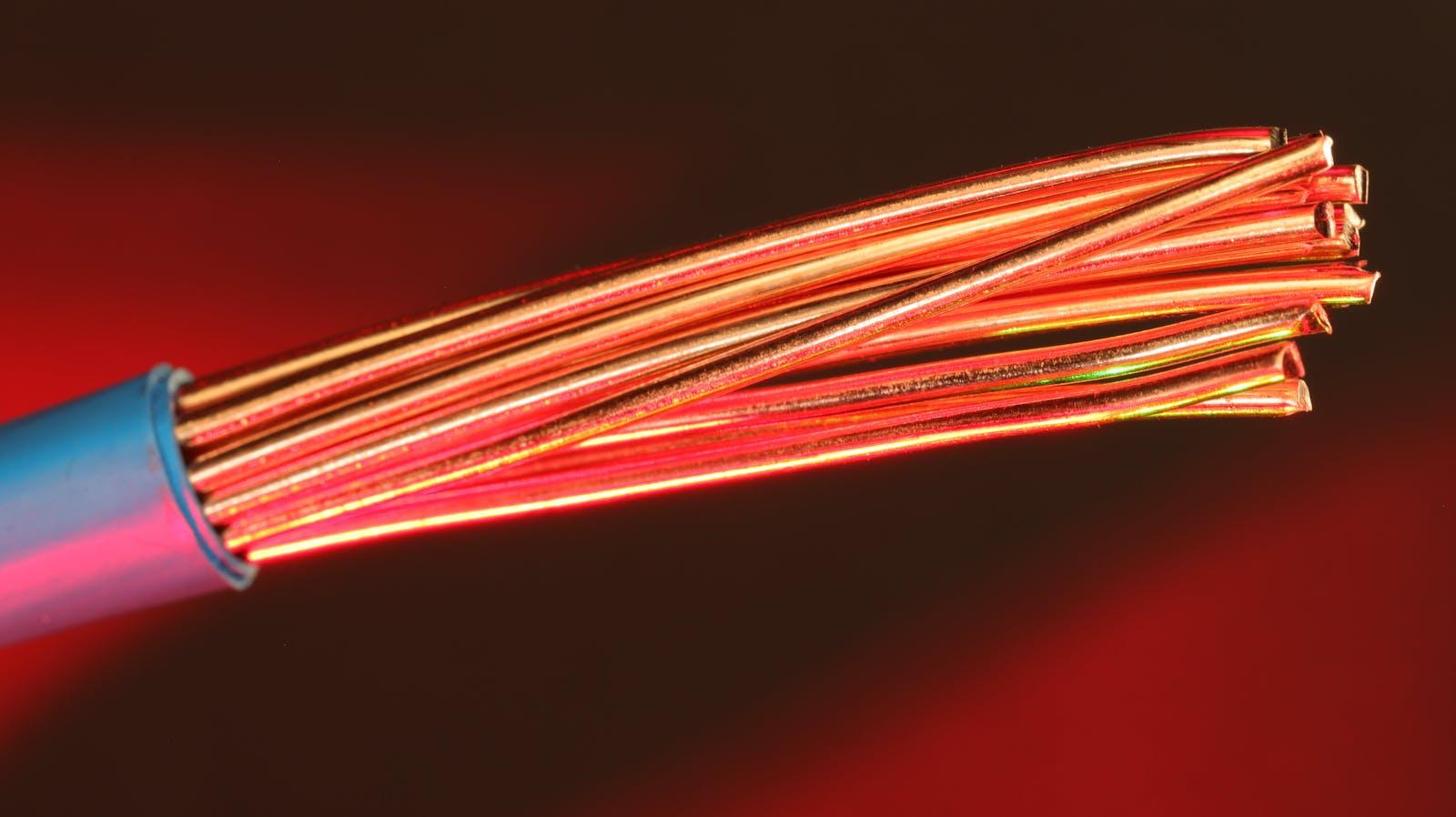
Wiring products include a range of items used to carry electrical current from one point to another. These include copper and aluminum wires, electrical cables, flexible cords, conduits, switches, sockets, and connectors. Cables are usually insulated and come in different sizes, depending on the current they are meant to carry. They can be single-core or multi-core. Conduits are protective tubing used to route and protect cables inside buildings or industrial systems. Connectors and terminals ensure secure electrical connections between wires and devices.
Lighting equipment includes a variety of products that convert electricity into light. This includes LED bulbs, incandescent bulbs, compact fluorescent lamps (CFLs), halogen lights, tube lights, outdoor lighting, and specialized fittings. LED lights are the most popular today because they are energy-efficient, long-lasting, and produce less heat. Fluorescent lamps and incandescent bulbs are still in use in some sectors, although many are being phased out due to energy regulations. Fixtures and fittings such as lamp holders, reflectors, casings, and housings are important for both function and aesthetics.
The key raw materials used in wiring product manufacturing include copper or aluminum for conductors, PVC or rubber for insulation, steel or plastic for conduits and cable trays, and brass or steel for connectors. For lighting equipment, the materials vary depending on the type of light. LED lights require semiconductors, plastic housings, aluminum heat sinks, and glass or plastic covers. Traditional bulbs use tungsten filaments, glass bulbs, and metal bases.
The technology behind wiring and lighting equipment manufacturing involves several steps. In wiring, the metal conductor is drawn, annealed, and insulated before being cut to size, tested, and packaged. In lighting, especially LED lighting, semiconductors are mounted on circuit boards, covered with protective material, fitted into housings, and tested for performance. Modern production often involves automated machines, precision tools, quality control systems, and safety testing at various stages.

Market Research and Feasibility Study
Before starting a wiring and electrical lighting equipment manufacturing business in Nigeria, it is important to study the market. This helps you know if there is real demand, who your competitors are, and what kind of customers you will serve.
Nigeria has a growing need for wiring and lighting products. Urban expansion, real estate development, and government investments in power and infrastructure all drive this demand. New homes, office complexes, factories, shopping malls, and roads all require electrical wiring and lighting. The rise of smart buildings and energy-efficient solutions is also creating space for modern LED lighting products. Many of these products are still imported, which means there is room for local manufacturing to grow.
In terms of competition, there are a few established local manufacturers, but many of the products in the market are imported from countries like China, India, and Turkey. These imports dominate major markets in Lagos, Onitsha, Aba, and Kano. Popular brands have built strong distribution networks and customer loyalty, but many users complain about the poor quality of cheap imports. A new local manufacturer that offers better quality at competitive prices can take advantage of this gap.
Your target customers will include building contractors, electrical installers, wholesalers, retail outlets, real estate developers, government project managers, and industrial users. Some may want bulk supplies, while others need branded products for end-users. Understanding your customer segments helps shape your pricing, product range, and sales strategy.
A pricing and profitability analysis will help you estimate how much you can sell your products for and how much profit you can make. You’ll need to factor in the cost of raw materials, production, packaging, logistics, and taxes. Compare this to current market prices for both imported and locally made products to see if you can compete effectively and still make a profit.
Finally, carry out a SWOT analysis to understand where you stand:
Strengths: Local production reduces import dependency, ability to offer better quality control, faster delivery to Nigerian customers
Weaknesses: High initial capital cost, need for skilled technical staff, possible lack of brand recognition
Opportunities: Huge construction market, growing push for locally made products, government support for manufacturing
Threats: Competition from cheap imports, unstable power supply, foreign exchange challenges when importing raw materials or machinery
Business Plan Development
A business plan is a document that guides how you will start, run, and grow your manufacturing business. It helps you stay focused and gives investors or banks a clear picture of what you plan to do.
Executive Summary
This is the first part of your project plan, it gives a short summary of the business, what you are producing, your goals, and why the business will succeed. It should mention key facts such as the market opportunity, estimated startup cost, expected profits, and the strengths of your business model.
Vision, Mission, and Objectives
Your vision shows where you want the business to be in the future. Your mission explains your purpose and how you intend to serve your customers. Your objectives are the short- and long-term goals you plan to achieve, such as producing a certain number of lighting units per month or capturing 10% of the local market in two years.
Product Range and Specifications
You will need to describe the types of products you plan to manufacture. This may include:
Electrical wires and cables (single-core, multi-core, armoured, etc.)
Wiring accessories (conduits, sockets, switches, connectors)
Lighting equipment such as LED bulbs, ceiling fixtures, tube lights, outdoor lamps
You should also list the sizes, ratings, and specifications of these products to match market standards and customer expectations.
Marketing and Sales Strategy
This section explains how you will attract and retain customers. You need to decide how to price your products, promote them, and distribute them. You might sell directly to contractors, electrical dealers, or supermarkets. You may attend trade shows, offer bulk discounts, build relationships with building developers, and use social media or online platforms to increase visibility.
Operational Plan
Your operational plan covers where the factory will be located, how many products you will produce each month, and where you will get your raw materials from. You should also explain how many workers you will hire, what shifts they will work, and what machinery will be used. You must plan for consistent electricity and clean water, which are important for smooth operations.
Financial Projections
This part includes how much money you need to start, how much you will spend each month, and how much income you expect to make. It should include:
Startup capital (for land, factory setup, machines, initial working capital)
Operating expenses (wages, raw materials, electricity, maintenance)
Revenue forecasts based on estimated sales
This section should be backed with realistic assumptions based on your market research.
Risk Assessment and Mitigation Strategies
All businesses face risks. In this section, identify possible risks and how you plan to reduce or handle them. For example:
Risk: Raw material prices may increase.
Mitigation: Build long-term supply agreements or keep buffer stock.
Risk: Power outages could disrupt production.
Mitigation: Invest in generators or solar backup.
Risk: New competitors may enter the market.
Mitigation: Build strong customer relationships and maintain product quality.
A solid business plan helps guide your decision-making and shows funders that you are serious and prepared.
Estimated Cost of Land and Plant for a Wiring Manufacturing Facility in Nigeria
Establishing a wiring manufacturing facility in Nigeria requires significant investment in land and infrastructure. The estimate below is based on a medium-scale operation with approximately 6 acres of land, which provides adequate space for production buildings, storage, parking, and future expansion.
| Component | Estimated Cost (₦) | Remarks |
| Land (6 acres) | ₦90 million – ₦180 million | Depends on location; outskirts or industrial zones cost less |
| Land Documentation & Legal Fees | ₦5 million – ₦10 million | Survey plan, deed of assignment, governor’s consent, etc. |
| Site Preparation | ₦6 million – ₦15 million | Includes clearing, grading, drainage, and access roads |
| Factory Buildings (2000–4000 sqm) | ₦150 million – ₦250 million | Production floor, storage areas, administrative offices |
| Electrical & Utility Setup | ₦15 million – ₦35 million | Transformer, power connections, borehole, plumbing |
| Safety & Security Infrastructure | ₦10 million – ₦20 million | Fencing, CCTV, fire alarms, access control |
Total Estimated Range:
₦276 million – ₦510 million
Disclaimer:
The cost estimates provided above are based on assumptions and general market trends and are not actual quotations. Actual costs may vary significantly depending on location, regulatory fees, contractor pricing, land condition, and design choices. It is strongly recommended to commission a detailed feasibility study and obtain professional architectural and quantity surveyor input before making any financial or project commitments.
How to Obtain a Factory Licence for a Wiring Manufacturing Plant in Nigeria
Starting a wiring and cable manufacturing plant in Nigeria goes beyond registering a company and installing equipment. Before operations begin, you’re required to obtain a Factory Licence from the Federal Ministry of Labour and Employment, in line with the Factories Act, Cap F1, Laws of the Federation of Nigeria, 2004.
This licence confirms that your facility meets essential safety, health, and structural standards for industrial work. Below is a step-by-step guide to help you through the process.
- Begin with Company Registration
Before anything else, your business must be registered with the Corporate Affairs Commission (CAC). This is a basic requirement for any legal entity operating in Nigeria.
You’ll need:
A Certificate of Incorporation
A Tax Identification Number (TIN) from the Federal Inland Revenue Service (FIRS)
- Choose and Prepare Your Factory Location
Once your company is registered, the next step is securing an industrial location that meets zoning and safety expectations. It’s better to choose land situated in an area designated for manufacturing or light industry.
At this stage, you should ensure that:
Your factory building is complete and ready for use
Basic amenities like water, electricity, drainage, and toilets are in place
Fire exits and emergency routes are clearly marked
The building has adequate ventilation, lighting, and space per worker
These conditions are important because the licensing process includes physical inspection.
- Visit the Ministry of Labour and Collect the Forms
After preparing your site, visit the nearest office of the Federal Ministry of Labour and Employment (or the national office in Abuja) to begin the licensing process.
Request and complete:
Form F1 – Notification of Factory Registration
Form F2 – Detailed Information about your factory operations
The forms will require:
Your factory address and type of products (e.g., electrical wiring and cable)
Number of workers and machinery installed
Nature of your production process
- Prepare and Submit Required Documents
The Ministry expects certain documents to accompany your application. These include:
- A copy of your CAC Certificate and business documents
- A layout or site plan of the factory floor
- A full list of installed machines and their rated capacities
- Proof of safety installations (fire extinguishers, alarm systems)
- Description of waste handling and ventilation system
- Details of worker facilities (restrooms, first aid box, PPE)
- A copy of your lease, C of O, or property ownership evidence
Submit these along with the completed forms to the same Ministry office.
- Pay the Required Licensing Fees
After submitting your application, the next step is payment. Licensing fees are based on your factory’s risk classification and scale.
For a wiring manufacturing plant; which often falls under medium to high risk; the estimated fee typically ranges from ₦50,000 to ₦150,000.
Payment is made to the designated Treasury Single Account (TSA) of the Ministry, and proof of payment must be submitted along with your documents.
- Prepare for Inspection by Labour Officers
Once your documents and payment are received, the Ministry will schedule a site inspection. A Factory Inspector will visit to assess your facility’s readiness.
During the visit, the inspector checks:
- Whether machines are safely installed
- Availability of safety signage and protective equipment
- Fire exits, extinguishers, and escape routes
- Waste handling and cleanliness
- General working conditions and spacing
- Electrical safety (especially important for wiring plants)
- Receive Your Factory Licence
When the inspection is complete and the inspector’s report is favorable, the Ministry will issue your Factory Licence. The licence is usually valid for one year and must be renewed annually.
You’re expected to display the licence visibly within your premises, preferably near the entrance or in the main office area.
Others include;
As a manufacturer, you must obtain specific permits to legally operate a production facility. These may include:
Local government trade permits
Operational licenses from the Federal Ministry of Industry, Trade, and Investment
Factory registration under the Factories Act from the Federal Ministry of Labour and Employment
Some states or industrial zones may have additional licensing or inspection requirements before you can begin operations.

Compliance with Standards Organisation of Nigeria (SON) Certification
The Standards Organisation of Nigeria (SON) is responsible for ensuring that manufactured products meet minimum quality and safety standards.
You must:
Register your products with SON
Submit product samples for testing and certification
Ensure that your electrical products meet applicable Nigerian Industrial Standards (NIS)
Affix SON’s Mandatory Conformity Assessment Programme (MANCAP) label on all approved products
SON certification helps protect consumers and builds trust in your brand.
Environmental Regulations (NESREA, Federal Ministry of Environment)
Manufacturing wiring and lighting equipment can generate waste and emissions. You must comply with environmental laws overseen by the National Environmental Standards and Regulations Enforcement Agency (NESREA) and the Federal Ministry of Environment.
This includes:
Conducting an Environmental Impact Assessment (EIA) before setting up your factory
Getting approval and registration for your waste management system
Ensuring proper disposal of chemicals and manufacturing byproducts
Regular environmental audits and compliance reporting
Failure to meet environmental requirements can result in fines, shutdowns, or legal actions.
Workplace Safety Regulations (Occupational Safety and Health Act)
You must provide a safe working environment for all employees under the Occupational Safety and Health Act.
This involves:
Registering your factory with the Ministry of Labour and Employment
Providing personal protective equipment (PPE) for workers
Training staff on fire safety, equipment use, and emergency response
Conducting routine safety inspections and health checks
Maintaining proper ventilation and lighting in the workspace
Compliance ensures staff well-being and protects you from legal liabilities.
Import/Export Regulations for Raw Materials and Finished Products
If you plan to import raw materials such as copper wire, PVC granules, LED components, or specialized machinery, you must:
Register with the Nigeria Customs Service (NCS)
Obtain an Importer’s Code
Process a Form M and pre-arrival documentation through a commercial bank
Adhere to SONCAP (Standards Organisation of Nigeria Conformity Assessment Programme) for imported materials
If you intend to export finished products to other countries in West Africa or beyond, you must also meet the export registration and documentation requirements with agencies such as:
Nigerian Export Promotion Council (NEPC)
Nigeria Customs Service
Relevant destination country standards and certifications
Annual Renewal
To renew your licence:
- Update any changes in staff or machinery
- Maintain your safety and hygiene standards
- Pay the applicable renewal fee
- Cooperate with annual inspections
Location and Infrastructure
Choosing the right location and setting up the proper infrastructure is critical to the success of your wiring and electrical lighting equipment manufacturing business. Your factory must be well-situated, well-equipped, and efficient to ensure smooth operations and cost-effectiveness. These are what to think about in deciding the location and infrastructure;
Criteria for Choosing the Right Factory Location
Several key factors should guide your decision when selecting a factory site:
Proximity to Raw Materials: Choose a location that minimizes transportation costs for raw materials such as copper, PVC, plastics, aluminum, and lighting components. If you import raw materials, consider locations close to major ports like Lagos or Port Harcourt.
Access to Utilities: Power supply is crucial for manufacturing. Choose a location with access to stable electricity or make provision for generators or solar backup. Also, ensure a reliable water source for cooling and cleaning processes.
Proximity to Target Market: Being close to your customers; such as distributors, wholesalers, construction companies, and electrical shops; reduces distribution costs and improves delivery times.
Accessibility: Good road networks for easy transportation of goods and raw materials. Close proximity to commercial hubs or industrial clusters (e.g., Ogun-Guangdong Free Trade Zone, Lekki Free Zone) is ideal.
Zoning and Regulation Compliance: Ensure the site is within an area zoned for industrial or manufacturing activities to avoid legal and environmental issues.

Factory Space and Layout Requirements
Your factory layout should support efficient production flow and worker safety. Key considerations include:
Minimum Space Requirements: For a small-to-medium scale operation, you may need at least 500–1,000 sqm. Large-scale factories may require several acres.
Production Flow: Design a layout that supports a logical sequence; from raw materials intake, to processing, assembly, packaging, and finished goods storage. This minimizes material handling and improves productivity.
Separate Zones:
Raw Material Storage Area
Production and Assembly Line
Quality Control and Testing Room
Packaging and Warehouse
Administrative Offices
Employee Restrooms and Break Areas
Infrastructure Needs
A functional manufacturing plant must be supported by reliable infrastructure:
Electricity: Stable power supply is non-negotiable. You may need:
Connection to the national grid
Backup generators (diesel/gas-powered)
Voltage stabilizers and transformers
Solar power as a supplemental source
Water Supply: You need water for:
Equipment cooling (especially in cable extrusion)
Cleaning
Sanitary needs for staff
Options: Borehole, industrial water connection, overhead storage tanks.
Waste Management: You must plan for proper disposal of:
Wire trimmings and plastic waste
Burnt or rejected components
General factory waste
Consider partnerships with certified waste disposal or recycling services, and ensure compliance with NESREA regulations.
Security Considerations
Security is essential to protect your facility, staff, equipment, and products:
Perimeter Security: Fenced compound, access control gates, and adequate lighting.
Surveillance: CCTV cameras across entry points, production areas, and storage rooms.
On-Site Security Personnel: Employ trusted guards, possibly in shifts.
Inventory Management: Track raw materials and finished products through digital inventory systems to prevent theft and losses.
Fire and Safety Equipment: Install fire extinguishers, smoke detectors, emergency exits, and first-aid kits. Train staff on fire drills and emergency response.
Technology and Equipment
To manufacture wiring and electrical lighting equipment efficiently and competitively in Nigeria, you need the right combination of technology, machines, and operational setup. The nature and quality of your equipment will directly influence your productivity, product quality, and cost of operations.
Overview of Manufacturing Processes
The manufacturing process varies depending on the product category (wires, cables, LED lighting, etc.), but generally includes:
Wire and Cable Manufacturing:
- Wire Drawing: Reducing metal rods (usually copper or aluminum) to fine wires.
- Annealing: Heating wires to improve flexibility and conductivity.
- Stranding: Twisting wires into bundles for better current carrying and flexibility.
- Insulation Extrusion: Applying PVC or XLPE coatings over wires.
- Sheathing and Armouring: Adding protective layers for industrial cables.
- Printing and Meter Marking: Marking wires with brand, specifications, and length.
- Coiling/Reeling: Packaging finished cables into coils or spools.
- Testing and Quality Control: Electrical, insulation, and tension tests.
Lighting Equipment Manufacturing (e.g. LED Bulbs, Fixtures):
- Component Assembly: Soldering circuit boards, diodes, drivers.
- Housing and Heat Sink Fixing: Assembling into casing or bulb housing.
- Lensing and Sealing: Installing diffusers, sealing the unit.
- Aging and Lighting Tests: Continuous lighting to test durability and brightness.
- Packaging: Branded and retail-ready packaging for shipment.
Key Machinery and Equipment Needed
Here’s a list of essential equipment depending on your focus:
For Wiring and Cable Production:
Wire drawing machine (for copper or aluminum)
Annealing furnace
Stranding and bunching machines
Extrusion machine (for insulation coating)
Armouring machine (for heavy-duty cables)
Printing and marking machines
Reeling and coiling machines
High-voltage spark testers
Insulation resistance testers
For Lighting Equipment Manufacturing:
SMT (Surface Mount Technology) soldering machine
LED chip mounters and PCB assembly units
Lens placing and sealing machines
LED driver testing equipment
Aging racks for reliability testing
Power consumption and brightness testers
Plastic or aluminum casing molding units (if you plan in-house casing production)
General Equipment:
Quality control and lab equipment
Generator or backup power system
Air compressors
Material handling equipment (trolleys, forklifts)
Sourcing Equipment: Local/Imports
Local Sources:
Some Nigerian and West African suppliers provide locally fabricated or assembled machinery (especially extrusion and coiling machines). The pros include; lower initial cost, easier access to technical support and spare parts, shorter delivery times, etc., while the cons include; limited automation, may lack precision and speed of imported machinery, etc.
Imported Equipment:
Equipment from countries like China, India, Germany, or Turkey is commonly used. The pros include; higher production capacity, advanced automation and digital control, proven durability and reliability, etc., while the cons include; higher capital investment, longer shipping and customs clearance, dependence on foreign support, etc.
Installation, Commissioning, and Operational Setup
Factory Layout Planning: Position machines to optimize material flow, minimize movement, and separate hazardous from non-hazardous zones.
Power Setup: Secure a 3-phase power line and industrial backup power supply.
Vendor Support: Engage technicians from the supplier or certified local engineers for:
Machine foundation and installation
Electrical connections and automation setup
Trial runs and system calibration
Safety configuration
Operator Training: Machine operators and maintenance teams must be trained on usage, troubleshooting, and basic repairs.
Maintenance and Technical Support
Preventive Maintenance: Schedule regular checks on lubrication, part replacements, and system diagnostics.
Maintenance Crew: Employ or contract trained engineers for machine-specific support.
Spare Parts Stock: Keep critical spares in stock to avoid downtime; belts, sensors, heating elements, nozzles, bearings, etc.
Manufacturer Support Contracts: Where possible, get annual maintenance contracts (AMC) with foreign suppliers for remote diagnostics and yearly inspections.

Raw Materials Procurement
Procuring quality raw materials is the backbone of a successful wiring and electrical lighting equipment manufacturing business. Your ability to consistently produce durable and safe products depends on the reliability, quality, and cost-effectiveness of your raw material supply chain.
List of Essential Raw Materials
Depending on your product line; wires, cables, or lighting equipment; your raw material needs will vary. Below are commonly required materials:
For Wiring and Cable Manufacturing:
Copper rods/wires: Primary conductor for electrical wires (high conductivity).
Aluminum rods/wires: Used as a lighter and cheaper alternative to copper.
PVC (Polyvinyl Chloride): Used for insulation and sheathing of cables.
XLPE (Cross-linked Polyethylene): Advanced insulation material for high-voltage cables.
Color masterbatch: For producing different wire colors during extrusion.
Steel tape or wire: For armoured cables used in industrial applications.
Fillers and binders: Used in cable cores.
For Electrical Lighting Equipment:
LED chips and diodes: Core lighting component.
Printed Circuit Boards (PCBs): Mounting and connecting electronic components.
Heat sinks and aluminum casings: For LED bulbs and lamps.
Glass or polycarbonate covers: For bulb protection and diffusion.
Phosphor coating: For light conversion in some types of lamps.
Drivers and resistors: Control the electrical output of LED products.
Plastic molding granules: Used for creating lamp bodies and fixtures.
Local/Imported Raw Materials
Local Sourcing:
Benefits: Lower transportation and logistics costs
Faster delivery and ease of communication
Supports local economy
Side effect: Limited availability of high-purity copper/aluminum
Quality inconsistency in plastics and PVC from some vendors
Imported Sourcing:
Benefits: Consistent quality and wider variety of options
Access to advanced materials (LED chips, PCB boards, phosphors)
Side effect Longer lead times and import duties
Forex fluctuations can affect cost
Requires customs and port clearance
Supplier Identification and Relationship Management
Establishing reliable supplier partnerships is essential for stability in production. Steps include:
Supplier Research: Attend trade fairs (locally and internationally), search online platforms like Alibaba, Made-in-China, or connect via industry associations (e.g., MAN in Nigeria).
Pre-Qualification: Assess supplier certifications, production history, material specs, customer reviews, and lead time.
Vendor Agreements: Negotiate long-term agreements to lock in prices and ensure priority service.
Communication and Feedback: Maintain regular communication to address shipment schedules, technical support, or quality issues promptly.
Backup Suppliers: Always have secondary suppliers to avoid production disruption in case of delay or shortage.
Quality Control of Raw Materials
Poor-quality raw materials will result in product defects, electrical hazards, and customer complaints. Implement the following:
Material Testing Procedures:
Copper/Aluminum: Conductivity, tensile strength, and purity tests.
PVC/Plastic: Insulation resistance, flame retardance, and flexibility checks.
LED Components: Brightness (lumen), color temperature, and longevity tests.
Lab Equipment: Set up basic testing facilities in-house or work with third-party labs for regular checks.
Incoming Inspection Checklist: Every batch received should be checked before entering production.
Rejection Policy: Establish clear guidelines on when and how to reject and return substandard materials.
Step-by-Step Process for Electrical Lighting Equipment Manufacturing (LED Bulbs/Fixtures)
Component Procurement and Preparation
LED chips, resistors, drivers, housings, lenses, PCBs, etc.
Soldering components onto the PCB (manually or via SMT line).
Assembly of PCB and Heat Sink
PCB with LED chips is mounted on the heat sink to ensure heat dissipation.
Driver Installation
Power regulation components (LED driver) are connected to ensure stable power supply to the LEDs.
Lamp Housing and Diffuser Fixing
LED modules are enclosed in protective plastic or aluminum housing and sealed with diffusers or covers.
Wiring and Terminal Connection
Internal connections are made to external terminals or plug points.
Aging and Testing
Lights are turned on continuously for 8–12 hours to test heat endurance.
Brightness, flickering, power factor, and color consistency are tested.
Packaging and Labeling
Process: Units are labeled (brand, wattage, voltage, lifespan) and packaged in retail-ready boxes or cartons.
Quality Assurance at Each Production Stage
Incoming Inspection: Checks raw materials like copper rods, LEDs, and plastics for compliance.
In-Process Quality Checks: Conducted at key stages (post-drawing, insulation, assembly).
Final Product Testing: Electrical safety, mechanical strength, and lifespan simulations.
Third-Party Certification (optional): NIS (Nigerian Industrial Standards), ISO, CE, RoHS.
Packaging and Labeling Standards
Wires and Cables:
Coil packaging (100m, 200m, etc.) or wooden reels (for heavy-duty).
Each package should include:
Brand name
Product specification (size, voltage rating)
Meter markings
Safety warnings and batch number
Lighting Equipment:
Retail packaging should include:
Wattage, voltage, lumens, color temperature
Energy efficiency rating
Lifespan and usage instructions
Manufacturer details and batch number
Factory Registration and Operating Permit
In line with the Factories Act, Cap F1, LFN 2004, all manufacturing facilities must be licensed under the Federal Ministry of Labour and Employment.
Factory Licence / Permit
This legal document allows you to operate a factory and confirms that your site meets minimum workplace safety, health, and environmental standards.
Required before production begins. Must be renewed annually.
Factory Inspection Report
Issued after a site inspection by Labour Officers, confirming machinery layout, ventilation, fire protection, and staff safety measures are in place.
Standards and Product Certification
For electrical products like wiring and lighting components, strict product standards are enforced to ensure consumer safety and market acceptance.
Standards Organisation of Nigeria (SON)
Issue Product Quality Certifications (e.g. NIS Mark of Quality)
Conduct inspections of your production process and finished goods
Provide lab testing to ensure your cables meet Nigerian Industrial Standards (NIS)
SONCAP (Standards Organisation of Nigeria Conformity Assessment Programme)
This applies if you import any raw materials, components, or finished products. SONCAP ensures that imports comply with national safety and quality standards before they enter the country.
Environmental and Safety Compliance
Wiring and cable production involves heat, chemicals, and electricity, so environmental compliance is key.
Federal Ministry of Environment (FMEnv)
You may be required to conduct an Environmental Impact Assessment (EIA) if your factory is located in a sensitive area or exceeds a certain size.
National Environmental Standards and Regulations Enforcement Agency (NESREA)
Ensures your factory’s emissions, chemical usage, waste disposal, and pollution control measures are within legal limits.
Occupational Safety and Health (OSH) Regulations
The Ministry of Labour and Employment sets standards for worker safety, including:
Use of Personal Protective Equipment (PPE)
Machine safety features (emergency stop, fencing)
Fire extinguishers, alarms, and emergency exits
Electrical Licensing and Technical Standards
Nigerian Electricity Management Services Agency (NEMSA)
NEMSA ensures that electrical installations and equipment meet safety codes and proper
national grid.
Nigerian Electricity Regulatory Commission (NERC)
If your factory generates its own power through solar or gas turbines (above a certain capacity), you may require a mini-generation permit or licence from NERC.
Labour Law and Employee Documentation
Employee Contracts and HR Documentation
Required under Nigerian Labour Law. Contracts should define work hours, wages, health benefits, and leave.
Industrial Training Fund (ITF) Registration
Employers with five or more staff must register and contribute to ITF for training support.
Pension and NSITF Compliance
Enroll your employees in the national pension scheme under PenCom and register for NSITF (Employee Compensation Act) to cover workplace accidents.
Typical Wiring Manufacturing Plant Layout
A well-designed plant layout helps ensure smooth workflow, safety compliance, proper ventilation, and efficient production. The layout should separate noisy, hot, or hazardous activities from administrative and storage areas while maintaining logical flow from raw materials to finished goods.
- Flow of Production
A wiring manufacturing plant generally follows this order:
Raw Material Storage → Wire Drawing → Annealing → Stranding/Bunching → Extrusion → Cooling → Take-up/Pay-off → Printing & Metering → Testing → Coiling/Reeling → Finished Goods Storage
- Key Zones in a Typical Layout
- Raw Material Storage Area
- Located close to the entrance of the plant for easy offloading from suppliers
- Stores copper/aluminum rods, PVC/XLPE pellets, steel tapes (if making armored cables), and packaging materials
- Should have fire protection and dry, secure conditions
- Wire Drawing & Annealing Section
- The first stage of production
- Machines aligned linearly to pull rods into wire and pass through annealing units
- Requires ventilation due to heat generation and possible fume extraction
- Stranding / Bunching Area
- Located next to wire drawing
- Designed to accommodate cable bunching and stranding machines
- Needs open space for large rotating arms and safety barriers
- Extrusion and Insulation Section
- A long linear path is needed for extrusion machines, cooling troughs, and take-up units
- Machines should be placed with clear spacing for maintenance access
- Water supply and drainage are important here
- Printing, Metering & Testing Zone
- This is usually a compact line after the extrusion section
- Houses spark testers, high-voltage testers, and inkjet printers
- Close to quality control labs or a separate QC booth
- Coiling / Reeling Section
- Located near the end of the production line
- Coils small rolls for retail or winds large drums for industrial supply
- Requires room for palletizing and packaging
- Finished Goods Storage
- Adjacent to dispatch/loading bay for easy shipping
- Must be dry, clean, and organized for FIFO (first-in-first-out) product handling
- CCTV and access control recommended
- Quality Control and Testing Lab
- Typically built adjacent to the production floor
- Houses equipment like tensile testers, insulation resistance testers, and flame retardancy test tools
- Should be air-conditioned and dust-free
- Administrative and Utility Block
- Located near the entrance or separately, for visitor management
- Includes offices, meeting rooms, toilets, security room, and canteen
- Often has separate access from factory floor to reduce disruptions
- Maintenance Workshop and Spare Parts Store
- Positioned near the main production area for quick access
- Used for mechanical repairs, tool storage, and minor fabrication
- Safety and Emergency Provisions
- Fire extinguishers mounted at every zone
- Emergency exit routes clearly marked and unblocked
- Eye wash stations and first aid boxes near extrusion and drawing areas
- Muster point outside the main building in a designated open area
- Optional Areas (for large plants)
- Generator House / Substation: For independent power supply
- Compressor Room: If using pneumatic machinery
- Chemical Store: For storage of cleaning agents, coolants, or PVC stabilizers (must be ventilated and isolated)
- Solar Power Control Room: If you plan to install renewable backup systems

Staffing and Human Resources
Building a capable and motivated workforce is essential for the smooth operation and long-term success of your manufacturing venture. From engineers to machine operators, every team member plays a crucial role in ensuring product quality, operational efficiency, and regulatory compliance. The part is segmented into;
- Organizational Structure of the Manufacturing Plant
A typical organizational structure for a wiring and lighting equipment plant may include the following levels:
General Manager / Plant Manager
Oversees all operations, manages teams, ensures compliance and efficiency.
Technical Department
Head of Engineering
Process Engineers
Maintenance Technicians
Production Department
Production Supervisor
Machine Operators
Line Technicians
Quality Assurance & Control
QA/QC Manager
Testing Technicians
Inspection Officers
Warehouse & Logistics
Inventory Manager
Storekeepers
Dispatch Officers
Sales and Marketing
Sales Manager
Marketing Executives
Customer Service Representatives
Administrative & HR
Admin Officer
HR Manager
Health & Safety Officer
Finance & Accounting Staff
- Key Roles and Responsibilities
| Position | Role |
| Engineers (Electrical, Mechanical) | Design, maintain, and optimize production systems and machines. |
| Machine Operators | Operate and monitor wire drawing, extrusion, cutting, and assembly equipment. |
| Quality Control Inspectors | Ensure all products meet safety, regulatory, and quality standards. |
| Warehouse & Logistics Staff | Handle inventory, packaging, and delivery logistics. |
| Sales and Admin Staff | Manage customer interactions, marketing, sales orders, procurement, and compliance reporting. |
- Recruitment and Training Programs
To build a competent workforce, consider:
Hiring Process:
Advertise roles through local job boards, technical institutions, and trade schools.
Prioritize candidates with experience in electrical manufacturing or similar industries.
Training and Development:
Technical Training: On use of manufacturing equipment, troubleshooting, and basic machine maintenance.
Operational Training: Lean manufacturing, workflow optimization, production targets.
Soft Skills: Communication, teamwork, and basic computer skills (for admin and sales staff).
Partner Institutions: Collaborate with technical colleges, polytechnics, and the Industrial Training Fund (ITF) for access to trained talent and workforce development programs.
- Health and Safety Training
Safety is crucial in manufacturing environments, especially when dealing with electrical components, soldering, and industrial machines.
Training Areas:
Electrical safety protocols
Machine handling and lock-out/tag-out procedures
Use of Personal Protective Equipment (PPE)
Fire safety and emergency response
Chemical/material handling (e.g., insulation compounds)
Implementation Tips:
Appoint a dedicated Health & Safety Officer.
Conduct periodic drills and refreshers.
Display safety signage and operating instructions at all workstations.
- Compliance with Labor Laws and Employee Welfare
To comply with Nigerian labor laws and create a positive work environment:
Contracts & Documentation: Provide employment letters, job descriptions, and clear terms of service.
Minimum Wage Compliance: Adhere to Nigeria’s national minimum wage guidelines.
Working Hours & Leave: Follow statutory guidelines for work hours, overtime, annual leave, and public holidays.
Pension and Insurance: Register with the National Pension Commission (PenCom) and provide health insurance via NHIS or HMO partners.
Welfare Programs:
Transportation stipends
Meal allowances
Training subsidies
Incentive schemes (performance-based bonuses)

Marketing and Distribution Strategy
Successfully manufacturing wiring and electrical lighting equipment is just one part of your business journey. To thrive and grow, you need a well-planned marketing and distribution strategy that builds your brand, reaches your target customers effectively, and supports them post-purchase. Here’s a detailed breakdown:
- Branding, Packaging, and Product Differentiation
Branding:
Your brand is more than a logo; it’s the promise of quality, reliability, and trust that you deliver to customers. Establishing a strong brand identity means creating a memorable name, logo, and tagline that communicates your commitment to quality and innovation in wiring and lighting products. Consistent use of brand colors, fonts, and messaging across all channels helps build recognition.
Packaging:
Packaging plays a dual role; protecting the product during transportation and creating a strong visual appeal on retail shelves. For wiring products, packaging should clearly display the product specifications, safety certifications, and usage instructions, while ensuring the coils or reels are neatly packed for easy handling. For lighting equipment like LED bulbs, attractive retail packaging with clear labels (wattage, voltage, lifespan, energy efficiency) helps inform and convince buyers.
Product Differentiation:
To stand out in a competitive market, emphasize unique product features such as:
Superior material quality (e.g., high-purity copper conductors).
Enhanced durability or fire-resistant insulation.
Energy-efficient lighting solutions with longer lifespans.
Compliance with Nigerian Industrial Standards (NIS) and international certifications.
Differentiation can also come through customer-centric services like customized cable lengths or bespoke lighting fixtures tailored to client needs.
- Sales Channels
Direct Sales:
Selling directly to large customers such as construction companies, electrical contractors, and industrial users allows you to build close relationships and negotiate bulk deals. Direct sales often involve dedicated sales reps who understand client needs and offer personalized service.
Distributors:
Appointing distributors helps extend your reach into various regions, especially beyond major cities. Distributors stock your products and sell them to smaller retailers or end-users, handling local logistics and customer support.
Retailers:
Retail shops, hardware stores, and electrical outlets are critical for reaching end consumers, especially homeowners and small contractors. Ensuring your products are well stocked and prominently displayed in these outlets increases visibility.
Wholesalers:
Wholesalers purchase in bulk and resell to retailers or contractors, helping move large volumes efficiently. Building partnerships with reliable wholesalers accelerates market penetration.
- Marketing Tactics
Trade Fairs and Exhibitions:
Participating in industry trade shows and exhibitions such as the Lagos International Trade Fair or Building and Electrical expos provides exposure to key buyers, distributors, and influencers. These events allow you to showcase your product range, demonstrate quality, and network.
Online Presence:
Develop a professional website with detailed product catalogs, technical specs, certifications, and contact information. Use social media platforms like LinkedIn and Facebook to share product updates, customer testimonials, and educational content. Online marketing can target specific customer groups and generate inbound inquiries.
Industry Networking:
Establish relationships with electrical contractors, architects, and infrastructure developers through industry associations or forums. Networking builds trust and often leads to referrals and repeat business.
Advertising:
Use print ads in industry magazines, local newspapers, and radio spots targeted at builders and electrical professionals. Highlight product benefits and any promotions or financing options.
- Customer Service and After-Sales Support
Pre-Sales Support:
Provide detailed product information, technical advice, and samples where appropriate to help customers make informed choices.
After-Sales Support:
Offer installation guidance, troubleshooting support, and warranty services to build customer loyalty. Responsive customer service reduces returns and enhances your reputation.
Training for Clients:
Organize workshops or training sessions for electricians and contractors on the best practices for installing and using your wiring and lighting products safely and efficiently.
- Pricing Strategies and Credit Options
Pricing Strategies:
Set competitive prices by analyzing costs, competitor pricing, and customer willingness to pay. Consider value-based pricing for premium or differentiated products. Offer volume discounts for bulk purchases to encourage larger orders.
Credit Facilities:
To attract and retain customers, especially contractors and wholesalers, provide flexible payment terms such as short-term credit, installment plans, or deferred payments. This improves cash flow for your customers and builds long-term business relationships.
Promotional Offers:
Launch introductory discounts, seasonal sales, or bundled offers (e.g., wiring and lighting packages) to stimulate demand and reward loyal clients.
Financial Planning and Funding
Financial planning is the backbone of your manufacturing business. It ensures you have sufficient capital to set up operations, manage day-to-day expenses, and scale sustainably while keeping profitability in focus.
Startup Capital Estimation
Starting a wiring and electrical lighting equipment manufacturing plant involves several upfront costs, including:
Land and Building
Cost of purchasing or leasing factory land, and constructing or renovating buildings suitable for manufacturing, storage, and office space.
Machinery and Equipment
Procurement of specialized machinery such as wire drawing machines, extrusion machines, cable twisting and jacketing equipment, lighting assembly lines, testing and quality control tools.
Raw Materials Inventory
Initial stock of copper wire, insulating materials, LED components, plastics, and packaging materials.
Working Capital
Funds needed to cover salaries, utility bills (electricity, water), maintenance, transport, marketing, and other operational expenses for at least 6-12 months.
Licenses and Permits
Fees for regulatory approvals, certifications, and environmental compliance.
Contingency Fund
Reserve for unexpected expenses or delays.
Sources of Funding
Depending on your financial capacity and business plan, consider the following funding options:
Personal Savings / Family Funds
Many entrepreneurs start with their own capital or support from family and friends to retain full control.
Bank Loans
Commercial banks in Nigeria offer SME loans tailored for manufacturing ventures. Prepare a strong business plan and financial projections to improve your chances of approval.
Angel Investors / Venture Capital
Investors looking for promising industrial startups may provide equity or convertible loans in exchange for partial ownership or returns.
Government Grants and Incentives
Explore programs by the Nigerian government, such as the Bank of Industry (BOI) loans, Nigeria Export-Import Bank (NEXIM) support, or Nigerian Industrial Development Bank schemes that support manufacturing growth.
Trade Credit and Supplier Financing
Negotiate credit terms with suppliers for raw materials and equipment to ease upfront cash needs.
Budgeting and Cash Flow Management
Budgeting
Create detailed monthly and annual budgets covering all expense categories, from raw materials and labor to marketing and overheads. This helps you monitor spending and adjust plans proactively.
Cash Flow Management
Maintain a cash flow forecast to ensure liquidity; predict when cash inflows from sales are expected and when outflows such as salaries and supplier payments are due. This avoids operational disruptions.
Working Capital Optimization
Manage inventory levels efficiently to reduce holding costs while avoiding stockouts. Timely collection of receivables is also essential to maintain positive cash flow.
- Cost Control and Profitability Analysis
Cost Control
Regularly analyze production costs, including raw materials, labor, energy, and overheads. Identify waste and inefficiencies to reduce expenses.
Profitability Analysis
Calculate gross margin, operating margin, and net profit margins for each product line. Use these insights to focus on high-margin products and adjust pricing or cost structures where needed.
Break-even Analysis
Determine the sales volume needed to cover all fixed and variable costs to understand when your business will become profitable.
- Financial Reporting and Auditing
Record Keeping
Maintain accurate and up-to-date financial records, including sales, purchases, payroll, and expenses.
Periodic Reporting
Prepare monthly, quarterly, and annual financial reports to assess business health and inform decision-making.
Compliance
Ensure tax filings, statutory deductions, and regulatory reports are submitted timely as required by Nigerian law.
Auditing
Engage qualified auditors to review financial statements annually. This builds credibility with investors, banks, and regulatory bodies.
Environmental and Social Responsibility
In today’s business terrain, sustainable practices and social responsibility are crucial; not just for compliance but for building trust and long-term success. Wiring and electrical lighting manufacturing involves materials and processes that can impact the environment and communities. These are how to manage these responsibly:
Environmental Impact Assessment
Conduct a thorough environmental impact assessment (EIA) before starting your manufacturing plant. This identifies potential risks such as:
Emissions from machinery and energy consumption.
Waste generation including scrap metals, plastics, and chemical residues.
Noise pollution from production equipment.
Use EIA results to implement controls that minimize harm to the environment.
Waste Management and Recycling
Develop and enforce waste management policies focusing on:
Proper segregation of scrap metals, plastics, and other waste.
Recycling initiatives to recover valuable materials like copper, aluminum, and plastic.
Safe disposal of non-recyclable hazardous waste in accordance with regulations.
Partner with certified recycling firms for environmentally friendly disposal and recycling services.
Energy Efficiency Practices
Optimize energy consumption by:
Using energy-efficient machinery and lighting (e.g., LED lights in your plant).
Implementing power-saving technologies and automation.
Regular maintenance of equipment to ensure optimal performance and reduce energy wastage.
Consider renewable energy sources, such as solar panels, to power parts of your operations, reducing carbon footprint.
Community Engagement and Corporate Social Responsibility (CSR)
Engage with the local community by:
Creating job opportunities and offering training programs for locals.
Supporting community development projects like schools, health centers, or environmental clean-ups.
Hosting awareness programs on electrical safety and energy efficiency.
Establish a CSR program aligned with your company values to build goodwill and foster positive relationships.
Compliance with Nigerian Environmental Laws and Regulations
Ensure full compliance with regulations from agencies such as:
National Environmental Standards and Regulations Enforcement Agency (NESREA)
Federal Ministry of Environment
Local government environmental guidelines
Obtain all required environmental permits and regularly report your environmental performance.
Stay updated on changes in environmental legislation and adapt practices accordingly.
Challenges and Risk Management
Starting and operating a wiring and electrical lighting equipment manufacturing business in Nigeria comes with unique challenges that require proactive risk management to ensure long-term success and sustainability.
Common Challenges
Unreliable Power Supply
Frequent electricity outages and inconsistent voltage can disrupt production, increase operational costs, and damage sensitive manufacturing equipment.
Raw Material Price Fluctuations
Prices of key inputs like copper, aluminum, plastics, and LED components can be volatile due to global market dynamics, affecting production costs and profit margins.
Regulatory Compliance
Navigating complex licensing requirements, environmental standards, and quality certifications can be time-consuming and costly if not managed carefully.
Skilled Labor Shortage
Finding and retaining adequately trained technicians and engineers who understand modern manufacturing processes can be challenging.
Competition from Imports
Cheaper imported wiring and lighting products may undercut local manufacturers, affecting market share and pricing strategies.
Logistics and Infrastructure Issues
Poor transportation networks and infrastructure may delay raw material supply and product distribution.
Risk Mitigation Strategies
Backup Power Solutions
Invest in reliable backup power systems such as generators, inverters, or solar power installations to minimize downtime during electricity outages.
Supplier Diversification
Source raw materials from multiple suppliers locally and internationally to reduce dependency and mitigate risks of price spikes or supply disruptions.
Insurance Coverage
Obtain comprehensive insurance policies covering property, equipment, business interruption, and liability to protect your investment against unforeseen events.
Regulatory Liaison and Compliance Team
Maintain a dedicated team or consultant to monitor regulatory changes, handle permit renewals, and ensure ongoing compliance with standards.

Staff Training and Development
Regularly train employees to enhance their skills and keep pace with technological advancements, improving productivity and product quality.
Competitive Pricing and Innovation
Focus on product differentiation through quality, innovation, and customer service to compete effectively against imports.
Contingency Planning
Develop detailed contingency plans addressing potential emergencies such as equipment failure, supply chain disruptions, or sudden regulatory changes.
Establish clear protocols for communication, resource allocation, and operational adjustments to respond quickly and effectively to crises.
Regularly review and update contingency plans to adapt to evolving business conditions.
Case Studies and Success Stories
Looking at real examples of successful wiring and electrical lighting manufacturers can offer valuable insights for anyone starting in this sector. Here are some notable cases from Nigeria and Africa, along with key lessons learned.
Successful Manufacturers in Nigeria and Africa
Philips Nigeria Limited
Philips is a global brand with a strong presence in Nigeria’s lighting market. Their local manufacturing and assembly operations have helped bring quality lighting solutions tailored to the Nigerian market. They focus on energy-efficient products like LED bulbs, which are in high demand.
Lightwave Group (Nigeria)
Lightwave has grown steadily by focusing on manufacturing durable electrical cables and wiring products for industrial and residential use. They emphasize strict quality control and have earned certifications that build customer trust.
Supreme Cables Plc (Nigeria)
A major player in the Nigerian cable manufacturing industry, Supreme Cables produces a wide range of wiring products used in construction, telecom, and power sectors. Their success comes from continuous investment in technology and strong distribution networks.
Cables Technologies Limited (South Africa)
This company has expanded across Africa by offering a broad product range and focusing on customer service and innovation. Their ability to adapt to local market needs helped them maintain leadership in the region.
Lessons Learned and Best Practices
Quality Matters
Consistent product quality builds reputation and customer loyalty. Investing in quality control systems and certifications (like SON and ISO) pays off over time.
Adapt to Local Needs
Tailoring products to local power conditions, climate, and customer preferences improves market acceptance. For example, manufacturing cables resistant to local weather or lighting suited for frequent power fluctuations.
Strong Distribution Network
Having reliable sales channels and partnerships with retailers and contractors ensures steady demand and market reach.
Technology and Innovation
Staying updated with manufacturing technology and offering energy-efficient lighting solutions like LEDs can provide a competitive edge.
Regulatory Compliance
Meeting environmental and safety standards not only avoids fines but also builds trust with customers and regulators.
Community Engagement
Supporting local communities through employment and social programs creates goodwill and can aid business sustainability.
Guide to Packaging System and Labelling in a Wiring Manufacturing Plant
After your cables are manufactured and pass quality testing, the next step is packaging and labelling. This stage is critical because it protects your product, communicates important technical details, and supports your brand identity.
Below is a breakdown of how to set up and execute your packaging system and labelling process effectively:
Step 1: Define Your Packaging Standards
Before you begin the physical process, decide the following:
Cable Lengths per Unit: e.g. 100m coils for house wiring, 500m or 1000m reels for industrial use
Packaging Type: shrink-wrapped coils, boxed coils, or drums
Customer Type: Is this product for retail, wholesale, or export?
Compliance Needs: SON marking, voltage ratings, and safety warnings
Step 2: Set Up the Packaging Line
Organize the packaging area in a logical flow from the production/testing unit.
- Cable Coiling or Reeling
Use a coiling machine to wind flexible cables (e.g. house wires) into standard lengths like 100m.
Use a reeling or drum winding machine for longer or heavy-duty cables like armored or multi-core cables.
Make sure each coil/reel is neatly wound with no tangles or damage.
- Cutting and Securing
Cut the cable at the designated length automatically or manually.
Tie both ends securely using cable ties or clips to prevent unravelling.
- Shrink Wrapping or Film Sealing
Place the coiled cable in a shrink-wrap station or use heat sealing tools.
For industrial cables on drums, wrap the outer surface and ends using protective plastic film or industrial cling wrap.
- Boxing (Optional)
For retail cables, place the wrapped coil into a branded carton. Ensure the cable fits snugly and is clearly visible through any transparent window (if used).
- Palletizing and Strapping
Stack the finished units on wooden or plastic pallets.
Use strapping tools or shrink wrap to secure the items for transport or storage.
Step 3: Labelling Process
Labelling should be clear, consistent, and compliant with SON and NIS requirements. You can print information directly on the cable, apply stickers on the package, or do both.
- On-Cable Printing (During Extrusion)
Use an inkjet printer or hot foil printer on the extrusion line to mark the following:
Cable type (e.g. 1.5mm² PVC Insulated)
Voltage rating (e.g. 300/500V)
Manufacturer’s name or brand
Meter markings (e.g. 1m intervals)
Batch number or date code
- Package Labelling
Stick a durable printed label on each coil or box that includes:
Product name and specification (e.g. Twin & Earth, 2.5mm², 100m)
Manufacturer’s name, address, and contact
Certification marks (e.g. SON, NIS logo)
Compliance info (RoHS, flame-retardant, etc.)
Country of origin
QR code (optional; for traceability or digital warranty)
- Drum/Industrial Label Tagging
For heavy cables on wooden drums, attach a weather-resistant label tag or metal plate with embossed or printed details.
Include reel number, weight, length, and handling instructions.
Final Quality Checks
Before moving packaged cables to the warehouse or dispatch:
Confirm cable length using the length counter
Verify that printed data is legible and accurate
Ensure label information matches the product specification
Inspect packaging integrity (no tears, correct sealing, proper wrapping)
Example Label Layout (Coil or Carton)
PRODUCT: 1.5mm² PVC INSULATED HOUSE WIRE
LENGTH: 100 METRES
VOLTAGE: 300/500V
CONDUCTOR: PURE COPPER
INSULATION: PVC – FLAME RETARDANT
MANUFACTURER: ABC CABLES LTD, LAGOS, NIGERIA
CERTIFICATIONS: SON | ISO 9001:2015
BATCH NO: 1245/AUG/2025
DATE OF MANUFACTURE: AUGUST 2025
COUNTRY OF ORIGIN: MADE IN NIGERIA
Maintain a Labelling and Packaging Log
Keep a record of each packaging batch. Include:
Cable type
Batch number
Packaging date
Packaging team/operator
Quantity per pallet
Destination or order number
This helps with traceability, inventory, and compliance audits.

Frequently Asked Questions (FAQs)
How much capital is required to start wiring and lighting manufacturing?
The capital needed depends on the scale of your operation. For a small to medium plant, you might need between ₦50 million to ₦150 million to cover land, equipment, raw materials, and initial operating costs. Larger plants require more investment. It’s important to prepare detailed financial plans to get accurate estimates.
What certifications are mandatory for selling wiring and lighting equipment?
You need to obtain certification from the Standards Organisation of Nigeria (SON), which ensures your products meet national quality and safety standards. ISO certifications can also add value. Additionally, compliance with safety standards such as those from OSHA is essential.
How to maintain product quality consistently?
Implement strict quality control at every stage of production. Use reliable raw materials, invest in testing equipment, and train your staff properly. Regular inspections and adherence to established manufacturing standards help maintain consistency.
Is it possible to start small scale and scale up later?
Yes, starting small is feasible. Many manufacturers begin with limited production capacity and simpler product lines, then expand as demand grows and capital allows. This approach helps manage risks and gain market experience.
What are the common safety concerns in manufacturing?
Electrical hazards, exposure to chemicals used in insulation, and machinery accidents are common. Proper workplace safety training, use of personal protective equipment (PPE), and regular safety audits are critical.
How long does it take to set up the plant?
Setting up a wiring and lighting manufacturing plant can take anywhere from 6 months to 18 months. This depends on factors like securing permits, sourcing equipment, construction, and staff training.
Conclusion
Starting a wiring and electrical lighting equipment manufacturing business involves several important steps. You need to understand the products and technology, research the market, develop a solid business plan, secure the right location, and meet regulatory requirements. Setting up production processes, sourcing equipment, hiring and training staff, and planning your marketing and finances are all key parts of the process.
The sector has strong demand in Nigeria, driven by growing construction, infrastructure development, and industrial needs. This makes it a promising area for entrepreneurs willing to invest time and resources.
To succeed, focus on maintaining high product quality, following safety standards, and building good relationships with customers. Start with clear goals, keep learning, and be ready to adapt as your business grows. With careful planning and commitment, manufacturing wiring and lighting equipment can be a rewarding venture in Nigeria’s growing economy.

Key Takeaways
Manufacturing wiring and electrical lighting equipment in Nigeria offers strong growth opportunities due to rising demand from construction, industry, and infrastructure projects.
Understanding the types of wiring products and lighting equipment, along with the manufacturing technology, is crucial before starting.
Conducting thorough market research and feasibility studies helps identify customers, competitors, and pricing strategies to ensure profitability.
A well-developed business plan covering vision, product range, operations, marketing, and finances is essential for success.
Compliance with Nigerian regulatory standards and certifications ensures your products meet quality and safety requirements.
Choosing the right location and investing in the proper machinery and technology impact production efficiency and cost.
Hiring and training skilled staff, alongside clear organizational roles, helps maintain product quality and operational safety.
Effective marketing, distribution, and customer service play key roles in building brand recognition and sales.
Sound financial planning, including startup capital estimation and cash flow management, is vital for long-term sustainability.
Environmental responsibility and adherence to safety regulations protect your workers and community while supporting sustainable growth.
Starting small and scaling up gradually is possible with proper planning and market understanding.
Patience and persistence are necessary, as setting up a manufacturing plant can take time but offers rewarding returns in Nigeria’s growing market.
Call to Action
Starting a wiring and lighting manufacturing business involves many important steps like market research, business planning, regulatory compliance, and licensing. But you do not have to do it alone.
At Qeeva Advisory, our expert team is here to help you:
Conduct detailed Market Research to understand demand and competition.
Develop clear and practical Business Plans that attract investors and guide your growth.
Prepare thorough Feasibility Studies to confirm your project’s viability.
Assist with Regulatory Compliance and Licensing to secure all necessary approvals.
Provide ongoing support and advice to help your manufacturing business thrive in Nigeria.
Contact Qeeva Advisory today for a free consultation and let us help you turn your manufacturing idea into a successful business.
Tel: (+234) 802 320 0801, (+234) 807 576 5799
E-Mail: info@qeeva.com
Office Address: 5, Ishola Bello Close, Off Iyalla Street, Alausa, Ikeja, Lagos, Nigeria.