
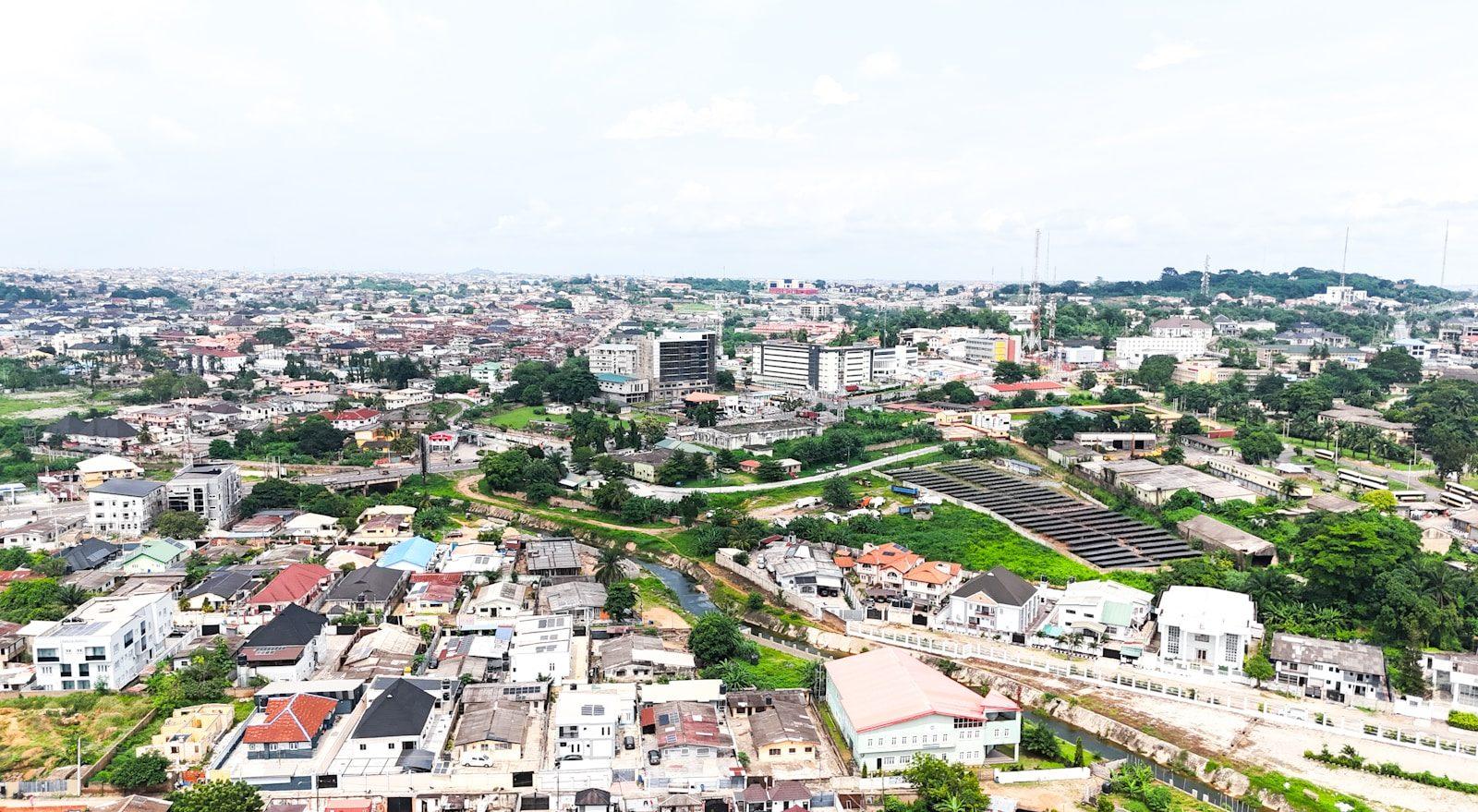
Business Expansion into Secondary Nigerian Cities
For decades, the narrative has been simple: if you want to build a successful business in Nigeria, you go to Lagos. It is the commercial capital. It has the population, the ports, the investors, and the buzz. Lagos accounts for more than 60 percent of Nigeria’s manufacturing output and has an ecosystem that is 11.8 times larger than Abuja’s, the next most prominent city.
But that story is changing.
Across Nigeria, a quiet shift is taking place. Savvy businesses are gradually recognising that the real, untapped frontier for growth lies beyond the well-established “Lagos bubble”. The focus is shifting to Nigeria’s rapidly developing Tier 2 and Tier 3 cities. These fast-changing urban and semi-urban centres are now home to millions of potential consumers who are increasingly ready for digital adoption and enjoy growing purchasing power. Expanding into Nigeria’s Tier 2 and Tier 3 cities is no longer optional. It is a strategic imperative for businesses aiming to thrive in Africa’s largest economy.
This guide explores why secondary cities are Nigeria’s next growth frontier, the opportunities they offer, the challenges businesses face, and practical strategies for successful expansion.
Why Secondary Cities Now?
The Lagos Bottleneck. Lagos offers immense opportunity, but at a high cost in terms of time, money, and regulatory burden. The city’s infrastructure is under immense strain. Port congestion is a recurring crisis. At the Lagos outer anchorage, 18 vessels were recently recorded waiting to berth, with a modelled demurrage cost of $1.22 million. The tax system is another major bottleneck. Manufacturers spend an average of 18 man-days per month meeting tax obligations, with 84 percent of firms paying more than five state and local levies. This complexity has contributed to a drop in manufacturing capacity utilisation to 54.1 percent.
Lower Costs, Higher Potential. Secondary cities offer investors lower entry costs, higher growth potential, and diversified opportunities across real estate, retail, hospitality, and infrastructure sectors. Ibadan, for instance, is becoming the fastest-growing rental market in Nigeria by percentage, still priced at a significant discount to Lagos and increasingly accessible via the Lagos-Ibadan railway corridor. Secondary cities also offer high rental yields and entry points that larger urban hubs like Lagos and Abuja cannot match.
Government Support. The Federal Government has designated ten states as global investment destinations: Lagos, Kaduna, Oyo, the Federal Capital Territory (FCT), Ogun, Enugu, Plateau, Ekiti, Kano, and Nasarawa. These are states that have created the conditions—faster approvals, clearer regulations, improved land systems that make it easier for investors to do business. For the first time, there is a clear, government-backed roadmap for building a business outside Lagos.
E-Commerce Growth. As Nigeria’s e-commerce ecosystem matures, secondary cities and rural areas are emerging as some of the most promising frontiers for growth. In Q2 2025, Jumia’s orders were up 25 per cent and total Gross Merchandise Value (GMV) rose 36 per cent year-over-year. Rural regions now account for nearly half of all packages delivered on the Jumia platform. Towns like Gaya in Kano State, Akpakpava and Ekpoma-Eguare in Edo State, Owerri in Imo State, and Wurukum in Benue State are showing strong growth in GMV.
Urbanisation. Nigeria is experiencing one of the most dramatic urban transformations in the world. Urbanization has reached 55 per cent of Nigerians living in urban areas by 2025, up from 50 per cent in 2020. By 2037, the urban population in Nigeria’s cities will have doubled. This transformation is not limited to Lagos and Abuja. Across the nation, secondary and tertiary cities are emerging as powerful economic centres.
The Rise of Alternative Hubs
The narrative that Lagos is the only game in town is becoming outdated. The 2025 Global Startup Ecosystem Index by StartupBlink ranked Ibadan, Enugu, Port Harcourt, and Kano among Nigeria’s top ten start-up cities. Ibadan ranked third nationally, while Enugu recorded significant growth, rising 12 places in the global rankings. The Nigeria’s Startup Ecosystem Index 2025 confirms Lagos’s position as the leading hub, but a massive gap exists: Abuja, at National Rank #2, has a score of just 0.946, while cities like Ibadan, Enugu, and Port Harcourt round out the Top 5.
These cities are not just smaller versions of Lagos. They have their own unique advantages. The story of Sam Aiyesoro, founder of Wiseki, a multi-vertical tech company headquartered in Ibadan, illustrates this shift. Operating from a secondary city presents logistical challenges—infrastructure, connectivity, and talent pool limitations—but also offers certain advantages, such as lower operational costs and closer proximity to underserved markets.
Smaller cities are increasingly attracting investment and talent, potentially reshaping the country’s innovation map. Kwara is emerging as a new tech frontier. Ibadan is rapidly transforming into Nigeria’s most attractive alternative tech hub, drawing talent and capital away from the chaotic energy of Lagos. Alerzo, a B2B e-commerce retail startup, is one of the city’s biggest success stories, proving that you can build a multi-million dollar tech company headquartered in Oyo State.
Key Secondary Cities for Business Expansion
Ibadan
Ibadan is emerging as Nigeria’s most attractive alternative tech hub. Its advantages include proximity to Lagos, a large talent pool, and lower operating costs. The city’s economy has grown with its connectivity to Lagos and expanding industrial activity, increasingly drawing attention from businesses seeking alternatives to the congestion and higher operating costs associated with Nigeria’s commercial capital.
Key Opportunities: Tech, services, education, and agribusiness. The Olubadan of Ibadanland has inaugurated an economic revitalization committee aimed at reviving moribund industries and attracting investment. The Oyo State Government has handed over 90 hectares of land for the construction of the proposed Moniya Inland Dry Port, which will stimulate industrial growth and increase internally generated revenue. Ibadan is also part of the Special Agro-Industrial Processing Zones (SAPZ) initiative alongside Kaduna, Kano, Ogun, Cross River, Imo, and the FCT.
Enugu
Enugu recorded significant growth, rising 12 places in the global startup rankings. Governor Peter Mbah has laid out a multi-sector strategy to expand the state’s economy from $4.4 billion to $30 billion in eight years. The state has concluded feasibility studies in key sectors to attract investors, especially in power generation, leveraging the state’s clean coal deposits. The Hilton Group is developing the 150-key Hilton Garden Inn Hotel in Enugu’s Heliu Business District.
Key Opportunities: Agriculture, agro-processing, manufacturing, fintech, energy, and infrastructure.
Benin City
Benin City is quietly becoming an engine of economic activity, innovation and migration. Satellite images show that between 2002 and 2025, the city’s developed land area almost doubled. It is described as a vibrant and fast-growing economy driven by a youthful population. The Edo State Government attracted investments worth over $109 million in the 2025 fiscal year. Edo State developed a modern industrial park near Benin City that is rapidly attracting electronics companies to the south.
Key Opportunities: Manufacturing, electronics assembly, hospitality, renewable energy, and agro-processing. The state is also exploring two 10-50MW hydropower generating plants.
Port Harcourt
Port Harcourt continues to serve as a critical hub for oil and gas activity. It is also part of Nigeria’s top five start-up cities. The Aba, Port Harcourt, Uyo axis may soon emerge as Nigeria’s new “economic triangle”.
Key Opportunities: Oil and gas, logistics, manufacturing, and technology.
Uyo
Uyo is emerging as a significant economic centre. The Akwa Ibom State Government is developing economic zones including the Liberty Oil and Gas Free Trade Zones, Ibom Industrial City, and Itam Industrial Park. The Uyo axis provides a deep sea port at Ibaka, and there are plans to connect Uyo to Aba and Port Harcourt by rail, forming an economic triangle.
Key Opportunities: Logistics, industrial development, hospitality, and tourism.
Asaba
Asaba is aggressively moving to leverage its strategic position as the primary gateway between Nigeria’s South-South and South-East regions. The city is targeting logistics dominance and has plans for an industrial park and a proposed agro-processing zone. Secondary cities such as Asaba are increasingly attracting investor attention, driven by lower land costs and emerging economic activities.
Key Opportunities: Logistics, agro-processing, digital technology, hospitality, and luxury waterfront infrastructure.
Hospitality Expansion into Secondary Cities
The hospitality sector is leading the charge into secondary cities. While major cities account for over 70 percent of quality hotel offerings in the country, hotel developers and foreign brands are now increasingly considering investments and expansion in other cities. The trend is induced by growing economic activities and sustained infrastructure development, with residents and visitors requiring quality accommodation offerings.
Edwin Aliche, a hotel franchise owner, noted that these once-neglected cities are bubbling with lots of investment potential, especially for the hospitality industry. “The lack of quality accommodation offerings in state capitals is an industry gap and business opportunity most foreign brands have noticed and are partnering with willing investors to fill and take advantage of,” Aliche said.
Marriott International is leading the trend as four out of its over eight properties in Nigeria are in secondary cities. These include Protea Hotel Delta in Warri, Four Points By Sheraton in Ikot Ekpene, Protea Hotel Owerri Select, and Protea Hotel Benin City Select Emotan. The Radisson Hotel Group is developing properties in Benin City, Aba, and Yenagoa. The Hilton Group is developing the 150-key Hilton Garden Inn Hotel in Enugu.
International brands are moving to secondary cities with their mid-market brands, rather than upper scale and luxury offerings. The rationale is based on purchasing power and demand. “You cannot take a four or five-star brand to a remote area and expect to be profitable, except the area is a resort setting,” Aliche said. “So, fewer rooms and smaller brands are best for secondary cities or emerging markets”.
However, Demola Oganla, a hotelier, noted that secondary cities are high risk business areas for structured hotel business, hence an investor has to carry out extra feasibility studies to ensure sustainability.
E-Commerce and Logistics Expansion
E-commerce is a powerful engine of growth in secondary cities. Jumia’s expanded footprint now includes over 350 Pickup Stations across hundreds of towns and communities. This physical infrastructure, combined with a network of 67 logistics partners, has made it possible to deliver goods to even the most remote parts of the country.
The JForce programme, Jumia’s community-based sales network, plays a pivotal role. With over 32,000 active agents, JForce continues to introduce rural consumers to e-commerce, supporting product discovery, order placement, and digital literacy. This model not only drives awareness but also empowers local entrepreneurs, creating income streams and employment opportunities in rural communities.
As Nigeria’s e-commerce ecosystem matures, secondary cities and rural areas are emerging as powerful engines of growth. The categories leading demand include phones, beauty and perfumes, home essentials, men’s clothing, and men’s shoes.

Flexible Workspaces and SME Support
The rise of flexible workspaces is transforming how SMEs operate in secondary cities. Firms are partnering to support SMEs with co-working facilities, aiming to establish between six and eight new workspace locations nationwide each year. This enables SMEs to access a comprehensive business environment and financial services under one roof.
Small businesses account for 80 per cent of commercial activity in these areas, making them the primary beneficiaries of flexible workspace solutions. The expansion is specifically tailored to support SMEs, which dominate the economic landscape in Nigeria’s secondary cities across the South-West, North, and Eastern regions.
Challenges of Expanding into Secondary Cities
Success in these markets requires a deep understanding of infrastructure gaps, unique media consumption habits, and the vital art of localised engagement.
Infrastructure Gaps. While road networks are improving, they still pose logistical hurdles affecting the smooth distribution of fast-moving consumer goods and the timely delivery of e-commerce orders. Power supply, though better in some locations, remains erratic in many others. This affects everything from cold storage for perishable goods to customers’ ability to charge mobile devices for digital interactions.
Connectivity Issues. Mobile network providers have been extending coverage, but large portions of the population, particularly in rural outskirts, still rely on slower 2G or 3G networks, as 4G service remains inconsistent.
Media Consumption Differences. Media consumption in these emerging areas differs significantly from Lagos. Although smartphone use is rising, traditional media still play a major role. Radio remains one of the most effective ways to reach broad audiences. Online content is largely consumed for entertainment, social interaction, and practical knowledge. Data affordability greatly influences viewing habits.
Localised Engagement. A generic, one-size-fits-all approach is often ineffective. Businesses must carefully craft marketing materials to reflect local culture, language, and aspirations. This may involve using local dialects, culturally relevant visuals, and endorsements from respected local figures or community leaders.
High Risk, High Reward. As one hotelier noted, secondary cities are high risk business areas for structured hotel business, hence an investor has to carry out extra feasibility studies to ensure sustainability.
Talent Limitations. Operating from a secondary city presents logistical challenges—infrastructure, connectivity, and talent pool limitations. Accessing skilled talent can be more difficult than in Lagos or Abuja.
Strategies for Successful Expansion
Start with Feasibility Studies. Before expanding, conduct thorough feasibility studies to assess market demand, competition, and operational viability. As one hotelier noted, secondary cities require extra feasibility studies to ensure sustainability.
Partner with Local Aggregators. Companies are turning to creative distribution models, including partnering with local aggregators, setting up smaller distribution hubs, and using community-based agents. Such strategies help bridge the last-mile gap and ensure products reach even the most remote areas.
Build Trust through Local Presence. E-commerce platforms are building trust by using local agents as pick-up points or intermediaries. This approach builds credibility among first-time digital shoppers. Such efforts foster trust and loyalty, which are crucial in markets where word-of-mouth and social validation are powerful influencers.
Adapt to Local Media. Marketing content must be adapted to suit the diverse media landscape. Many campaigns now focus on platforms that use less data or offer offline viewing, ensuring accessibility for a wider audience.
Engage with Communities. True community involvement is vital to successful market entry and long-term growth. This extends beyond advertising. It involves active participation in local events, support for grassroots initiatives, and establishing physical presence wherever possible. For fintech companies, this could mean working with local market associations to promote digital payments.
Invest in Local Talent. While talent pools may be smaller, they are often more affordable and loyal. Investing in local training and development can build a committed workforce.
Start with a Pilot. Consider launching with a smaller-scale pilot before committing to a full expansion. This allows you to test the market, refine your approach, and build local relationships.
How Qeeva Advisory Helps
At Qeeva Advisory, we understand that expanding into Nigeria’s secondary cities requires a unique approach that combines strategic planning, local knowledge, and operational excellence. We work with businesses of all sizes to identify opportunities, navigate challenges, and build sustainable enterprises in Nigeria’s emerging markets.
Our Management Consulting Services provide the strategic framework and analytical expertise to assess market opportunities, develop entry strategies, and build the operational capacity needed to succeed in secondary cities and rural areas.
Our Feasibility Study and Project Advisory service helps you validate business concepts before significant resources are committed. As the hotel industry expert noted, thorough feasibility studies are essential when entering high-risk secondary markets.
For businesses looking to expand into new geographic markets, Identifying Untapped Local Markets in Nigeria and Commercial Potential of Local Government Areas in Nigeria provide the insights you need to identify the most promising opportunities.
Our Market Intelligence and Economic Research service provides the insights you need to understand local market dynamics, consumer preferences, and competitive landscapes in Nigeria’s emerging business hubs.
For businesses looking to access financing, our Investment Advisory Services help you structure investments, prepare compelling business cases, and access capital from government funds and private investors.
Our Regulatory Compliance and SON Certification Support helps businesses navigate the legal and regulatory landscape in new markets, ensuring compliance with local requirements and building trust with regulators and customers.
Business Success Beyond Major Urban Centers in Nigeria offers a comprehensive framework for businesses looking to expand beyond their current markets.
Our Service Methodology
We do not offer generic solutions. Our methodology is designed to be thorough, transparent, and actionable, ensuring that your expansion initiatives are grounded in market realities and positioned for success.
Step 1: Market Opportunity Assessment
We begin by understanding the market landscape beyond major urban centers. This includes analysing economic indicators, infrastructure development, consumer demographics, and competitive dynamics. We identify the most promising locations and sectors based on market size, growth potential, and your unique strengths.
This step is powered by our Management Consulting Services and Market Intelligence and Economic Research .
Step 2: Feasibility and Business Model Design
Based on the assessment, we help you design viable business models for the target market. This includes defining your value proposition, revenue model, cost structure, and operational plan. We validate these models through market research and financial analysis.
This step is powered by our Feasibility Study and Project Advisory service.
Step 3: Strategic Planning and Implementation
We help you develop a comprehensive strategy for market entry and growth. This includes location selection, partnership development, supply chain design, and marketing strategy. We support you through implementation to ensure success.
This step is powered by our Management Consulting Services .
Step 4: Financing and Investment Structuring
We help you access the financing you need to expand. This includes guidance on government funds, private investment, and other financing mechanisms.
This step is powered by our Investment Advisory Services .
Step 5: Monitoring, Evaluation, and Continuous Improvement
We help you track your performance, identify what is working and what needs adjustment, and continuously improve your approach. This ensures you stay ahead of market changes and maintain your competitive edge.
This step is powered by our Management Consulting Services and Market Intelligence and Economic Research .
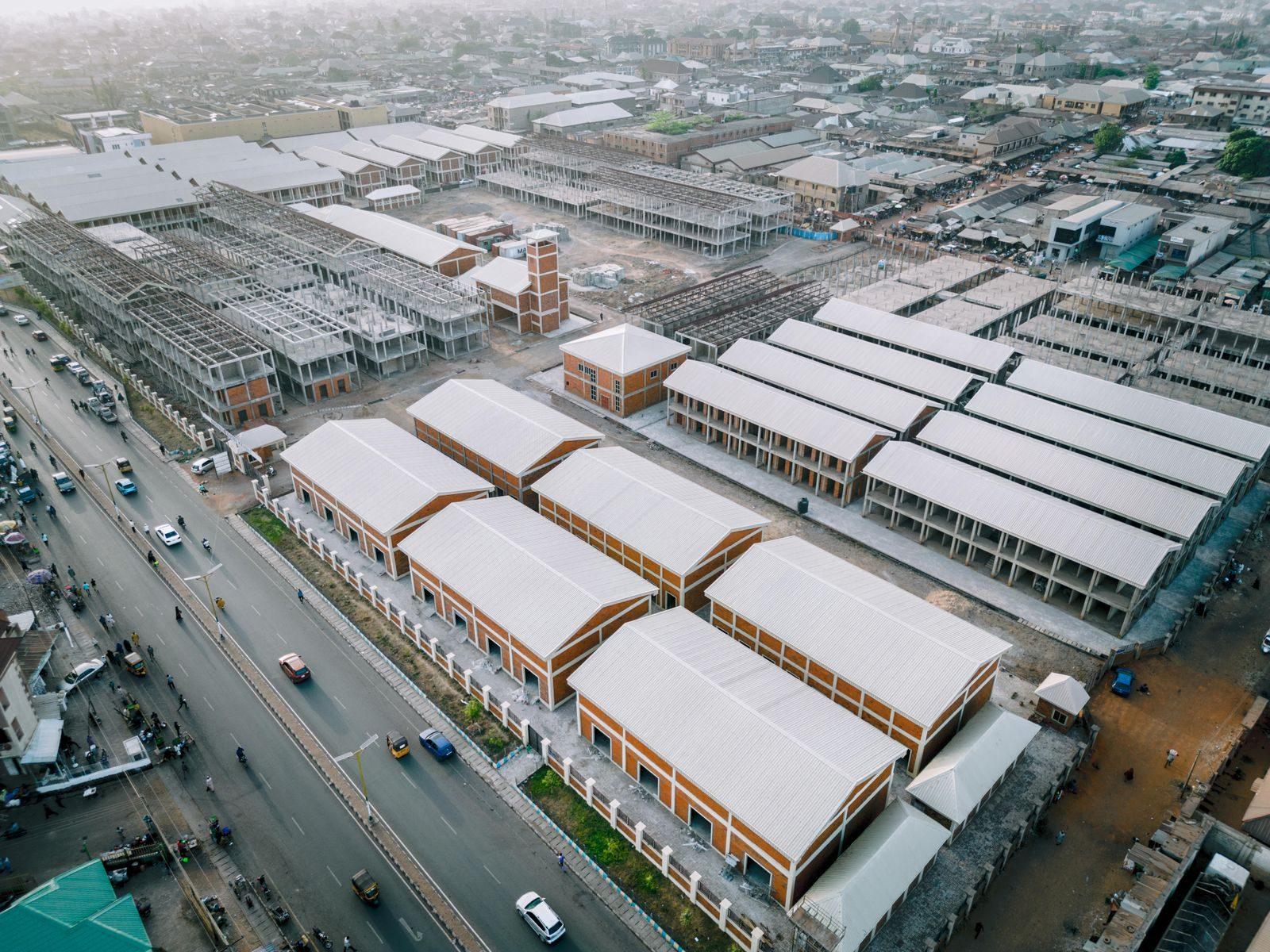
Frequently Asked Questions
Q: Which Nigerian cities offer the best business opportunities beyond Lagos and Abuja?
A: Key emerging cities include Ibadan, Enugu, Benin City, Port Harcourt, Uyo, Asaba, and Abeokuta. Each city offers unique opportunities based on its economic activities, infrastructure development, and consumer demographics. Ibadan is emerging as a tech hub, Enugu is targeting a $30 billion economy, and Benin City is experiencing rapid urban revival.
Q: What are the most promising sectors in Nigeria’s secondary cities?
A: E-commerce and logistics are expanding rapidly, with Jumia reporting 25% order growth in Q2 2025. Hospitality is seeing significant investment from international brands like Marriott, Radisson, and Hilton. Agribusiness, manufacturing, technology, and flexible workspaces are also promising sectors.
Q: What are the main challenges of expanding into secondary cities?
A: Key challenges include infrastructure gaps (poor roads and erratic power supply), connectivity issues, different media consumption habits, the need for localised engagement, talent limitations, and higher business risk. As one hotelier noted, secondary cities are high risk business areas that require extra feasibility studies.
Q: How can I access financing for expansion into secondary cities?
A: Several government funds are available, including the ten states designated as global investment destinations with faster approvals and clearer regulations. Private investors and development finance institutions are increasingly interested in Nigeria’s emerging markets. Qeeva Advisory’s Investment Advisory Services can help you access these financing opportunities.
Q: How important is localisation for success in secondary cities?
A: Localisation is essential. A generic, one-size-fits-all approach is often ineffective. Businesses must carefully craft marketing materials to reflect local culture, language, and aspirations. Authenticity matters deeply, and consumers in these areas prefer brands that truly understand and respect their unique identities. True community involvement is now seen as vital to successful market entry and long-term growth.
Q: How can Qeeva Advisory help my business expand into secondary cities?
A: Qeeva Advisory provides comprehensive expansion support including market opportunity assessment, feasibility studies, strategic planning, financing access, and ongoing monitoring and evaluation. Our Management Consulting Services and Feasibility Study and Project Advisory help validate your expansion concepts before significant resources are committed.
The Bottom Line
Nigeria’s business landscape is being reshaped by a powerful shift toward secondary cities, towns, and rural communities. The opportunities are real and substantial. Urbanisation is accelerating, government reforms are making it easier to do business outside Lagos, e-commerce is expanding into underserved areas, and international brands are investing in secondary cities.
The numbers tell the story. Urbanization has reached 55 per cent of Nigerians living in urban areas by 2025. Rural regions now account for nearly half of all packages delivered on Jumia. Marriott International now has four properties in secondary cities. Enugu is targeting a $30 billion economy. Edo State attracted over $109 million in investments in 2025.
But success in these markets requires more than just showing up. It demands a deep understanding of local dynamics, a commitment to community engagement, and the patience to build trust over time. It requires thorough feasibility studies, localised marketing strategies, and creative solutions to infrastructure challenges.
The businesses that understand this shift and position themselves accordingly will win in Africa’s largest economy. Those that remain fixated on the traditional urban centers will miss the next wave of growth.
The question is no longer whether to expand beyond major cities. It is whether you will lead or follow.
The choice is yours.
Suggested Reading from Our Blog
Explore these related articles to deepen your understanding of business opportunities in Nigeria’s emerging markets:
Identifying Untapped Local Markets in Nigeria – Learn how to find and enter markets that competitors have overlooked, from Tier 2 cities to rural communities.
Commercial Potential of Local Government Areas in Nigeria – Discover the commercial potential of Nigeria’s 774 Local Government Areas.
Business Opportunities in Nigeria’s Border Communities – Explore the economic potential of Nigeria’s border regions.
Related Services
We offer specialised services to help businesses expand beyond major urban centers and succeed in Nigeria’s emerging markets:
Management Consulting Services – Strategic planning, organisational development, and operational support for businesses expanding into new markets.
Feasibility Study and Project Advisory – Assessing the viability of business concepts before significant resources are committed.
Market Intelligence and Economic Research – Deep insights into market trends, consumer behaviour, and competitive dynamics in emerging markets.
Investment Advisory Services – Guidance on structuring investments, accessing finance, and scaling businesses.
Regulatory Compliance and SON Certification Support – Ensuring businesses meet quality standards and regulatory requirements in new markets.
Let’s Talk About Your Expansion Strategy
Business expansion into secondary cities is not just about growth—it is about building a business that can compete across Nigeria’s diverse economic landscape. At Qeeva Advisory, we take the time to understand your unique business and develop expansion strategies that work for you.
Whether you need help with market assessment, feasibility studies, or strategic advisory, our team is here to support you.
📞 Call us: (+234) 802 320 0801, (+234) 807 576 5799
📧 Email: info@qeeva.com
📍 Visit us: 5, Ishola Bello Close, Off Iyalla Street, Alausa, Ikeja, Lagos, Nigeria
Contact us today to schedule a complimentary consultation. We would love to hear about your expansion plans and explore how we can help you succeed in Nigeria’s emerging markets.
Your journey to business expansion starts with a conversation. Let’s talk.
Reference Links / Sources
Unlocking Nigeria’s next growth frontier in tier 2 and tier 3 cities – Marketing Edge
E-commerce Unlocking Economic Opportunities In Underserved Communities – Leadership NG
Building a Successful Business Outside Lagos – Matog Consulting
Urbanization 2030: 10 Nigerian Cities Investors Should Watch – Matog Consulting
Lagos leads Nigeria’s startup ecosystem, but Abuja lags behind – LinkedIn
Asaba targets logistics dominance, charts transition to private sector-led growth – BusinessDay NG
Mbah targets $30bn economy for Enugu as UK join ties – BusinessDay NG
Edo attracted $109m of investments in 2025 fiscal year – BusinessDay NG
How Aba, PH, Uyo axis may soon emerge Nigeria’s new ‘economic triangle’ – BusinessDay NG
Firms partner to provide flexible workspaces for SMEs across Nigeria – BusinessDay NG
Jumia pushes beyond cities as Nigeria’s e-Commerce demand shifts inland – BusinessDay NG
Kwara emerges new tech frontier as hub, IHS connect startups with investors – Guardian NG
Jumia Nigeria releases second edition of ‘e-commerce in rural areas’ report – Guardian NG