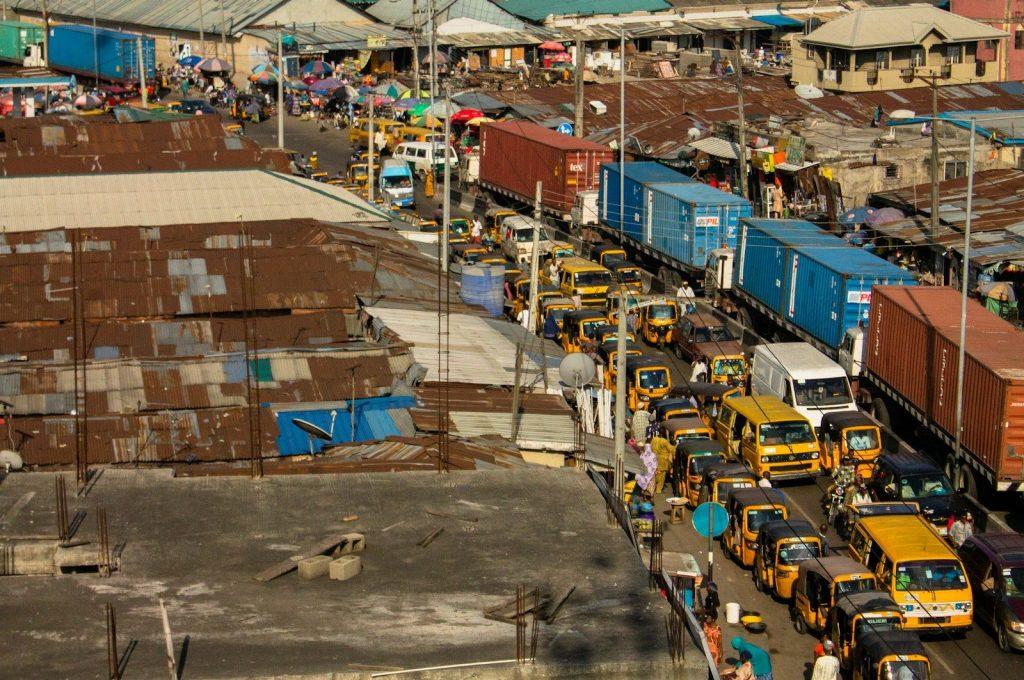

Business Opportunities in Nigeria’s Border Communities
For decades, Nigeria’s border communities have been treated as security problems to be managed rather than economic opportunities to be developed. That mindset is slowly changing—and with it, a new frontier of business opportunities is emerging.
From the bustling Seme corridor linking Lagos to Benin Republic, to the Kamba and Tsamiya routes connecting Nigeria to Niger, to the Banki Free Trade Zone on the Cameroon border, Nigeria’s border communities are quietly becoming engines of trade, logistics, and industrial activity.
The Border Communities Development Agency (BCDA) has facilitated major Chinese investment commitments, including a reported $2 billion investment in Jigawa State. The Nigeria Customs Service facilitated N7.97 billion in non-oil exports through the Seme border alone, recording a 182 per cent increase in revenue. Borno State is targeting the creation of over one million jobs in agriculture, fishing, and trans-border trade.
This guide explores the business opportunities in Nigeria’s border communities, the sectors with the highest potential, and how you can position yourself to benefit from this emerging frontier.

The Pain Points: Why Border Communities Remain Underdeveloped
Let us be honest. For years, border communities have been neglected, misunderstood, and underinvested in. Here is why:
The Security-Only Mindset. Nigeria has historically treated border management as a security battle rather than an economic opportunity. This approach has cost the country billions of naira in lost customs revenue, weakened regional trade influence, and allowed smuggling networks to thrive.
Restrictive Trade Policies. Nigeria’s long-standing dependence on import prohibitions and restrictive trade policies has unintentionally strengthened informal trading routes rather than eliminating them. Demand for restricted goods has not disappeared—it has simply been redirected through illegal channels.
Infrastructure Gaps. Many border communities lack adequate roads, power, healthcare, and education facilities. The Banki Free Trade Zone, for example, has remained largely inactive for years due to persistent security challenges, recurrent flooding, inadequate infrastructure, and limited funding.
Informal Economy Dominance. Informal cross-border trade accounts for nearly 75 per cent of Benin’s GDP and a significant portion of Nigeria’s. While this represents economic activity, it also means that much of the value is not captured formally, limiting tax revenue and access to finance for traders.
The Perception Problem. Border communities are often seen as “problems to be managed” rather than “partners to be invested in.” This perception has limited investment and development.
Lack of Awareness. Many entrepreneurs simply do not know about the opportunities that exist in border communities. They are unaware of free trade zones, export opportunities, or the growing demand for logistics, warehousing, and hospitality services along border corridors.
These pain points are real, but they are not insurmountable. With the right approach and the right support, border communities can be transformed from neglected zones into centres of opportunity.
Key Border Corridors and Their Opportunities
1. Seme-Krake Border (Lagos-Benin Republic)
The Seme border is one of Nigeria’s busiest gateways to West Africa. Stretching between Lagos and the Republic of Benin, the Seme corridor is strategically positioned to become one of the most profitable land trade routes in Africa.
Opportunities:
Transport and Logistics. Increased cargo movement could revive transport businesses, warehousing operations, clearing services, and logistics companies.
Hospitality. Hotels, restaurants, and guesthouses serving traders, truck drivers, and customs officials.
Clearing and Forwarding. Customs brokerage and freight forwarding services.
Export-Oriented Businesses. Export activities through the Seme border have seen steady growth, with more locally produced goods finding their way to international markets.
Vehicle Sales and Spare Parts. Businesses linked to vehicle sales and spare parts are experiencing renewed demand.
Current Activity: The Nigeria Customs Service facilitated N7.97 billion in non-oil exports via the Seme border in 2025, generating N1.5 billion in revenue—a 182 per cent increase.
2. Kamba and Tsamiya Borders (Kebbi-Niger Republic)
The reopening of the Kamba and Tsamiya border routes by President Bola Ahmed Tinubu has restored economic life to communities that depend almost entirely on cross-border movement for trade, agriculture, transportation, and small-scale commerce.
Opportunities:
Automobile Trade. Vehicle sales and spare parts businesses are experiencing renewed demand.
Cross-Border Haulage. Transport and logistics businesses across both sides of the border.
Agricultural Produce. Agricultural produce is once again moving through recognised routes, with local markets regaining vitality.
Artisanal and Trade Services. Traders, transport unions, artisans, and logistics operators have resumed operations.
Impact: The reopening has translated into renewed income opportunities, reopened markets, and a return to lawful economic activities after a prolonged period of restriction.
3. Maigatari Border (Jigawa-Niger Republic)
Maigatari is emerging as a major hub for livestock production and processing, with significant Chinese investment.
Opportunities:
Livestock Processing. A livestock processing plant is being established, expected to create jobs, boost cross-border trade, and stimulate inclusive economic growth.
Livestock Trade. Jigawa has one of the largest livestock markets in Africa.
Maigatari Special Economic Zone. The zone is being positioned as a gateway to markets across Niger, Chad, and northern Cameroon.
Infrastructure Development. The upcoming cargo airport in Dutse and the ongoing rail line project will connect Jigawa to regional markets.
Investment: Chinese investors have committed significant funding, with banks in China ready to move forward. The Jigawa State Government has approved ₦586.26 million for the renovation of facilities at the Maigatari Border Free Zone.
4. Banki Free Trade Zone (Borno-Cameroon Border)
The Banki Free Trade Zone, located in Bama Local Government Area of Borno State, is being repositioned as a strategic economic gateway capable of transforming trade and industrial activities in the North-East.
Opportunities:
Cross-Border Commerce. Its location near the Cameroon border places it at a vantage point to serve as a major trade corridor linking Nigeria to markets in Central Africa, the Maghreb, and the wider North African region.
Agro-Processing and Manufacturing. The zone was originally envisioned to promote agro-processing, manufacturing, and export-oriented enterprises.
Logistics and Warehousing. Trade and logistics hub designed to stimulate cross-border commerce, industrialisation, and job creation.
Regional Integration. Its revival is expected to strengthen regional integration under the African Continental Free Trade Area (AfCFTA) framework.
Commitment: NEPZA has agreed to provide technical and investment support to reposition the Banki zone for global competitiveness. The Borno State Government is prepared to invest heavily in critical infrastructure.
5. Garam International Trade Zone (Niger State)
The Niger State Government is establishing a world-class international trade zone at the Garam-Azhbisa Industrial Park, located along the border with the Federal Capital Territory.
Opportunities:
Industrial and Commercial Activities. The zone is designed to be an attractive destination for industrial and commercial activities.
Foreign and Local Investment. The project aims to attract both local and foreign investments, create employment opportunities, and accelerate economic growth.
Logistics and Trade. Strategic location along the FCT border makes it ideal for logistics and distribution.
6. Machina and Yunusari (Yobe-Niger/Chad Border)
Yobe State is constructing modern markets in the border towns of Machina and Yunusari, revitalising cross-border trade with Niger and Chad.
Opportunities:
Agricultural Exports. Export of sesame, wheat, beans, and livestock is a key part of post-insurgency recovery.
Sesame Seed Processing. Sesame seed processing plants are being established in Machina, Nguru, Potiskum, and Damaturu.
Modern Market Infrastructure. New markets provide opportunities for traders, farmers, and small businesses.
7. Idiroko Border (Ogun-Benin Republic)
The Idiroko border corridor operates at the intersection of legitimate commerce and the informal economy, serving as a commercial ecosystem linking communities and businesses across the Nigeria-Benin border.
Opportunities:
Cross-Border Trade. Consumer products, agricultural goods, and manufactured items flow both ways.
Entrepreneurship Programmes. The Nigeria Customs Service has empowered 60 border indigenes through entrepreneurship programmes in gari making, cloth dyeing, soap making, and textile decoration.
Sectors with High Growth Potential
Agriculture and Agro-Processing
Border communities offer significant opportunities in agriculture and agro-processing:
Livestock Production and Processing. The Maigatari livestock processing plant is expected to create jobs and boost cross-border trade.
Agricultural Exports. Sesame, wheat, beans, and livestock are key exports from Yobe’s border communities.
Value Addition. Processing raw agricultural products before export captures value that would otherwise be lost.
Logistics and Transportation
The movement of goods across borders creates significant opportunities:
Freight and Haulage. Cross-border haulage businesses are experiencing renewed demand.
Warehousing. Storage facilities for goods in transit.
Clearing and Forwarding. Customs brokerage services.
Last-Mile Delivery. Distribution of goods from border points to inland markets.
Hospitality and Services
Increased commercial activity along border corridors creates demand for:
Hotels and Guesthouses. Accommodation for traders, truck drivers, and customs officials.
Restaurants and Catering. Food services for the border community.
Retail and Trading. Shops, markets, and trading posts.
Financial Services. Money transfer, banking, and payment services.
Manufacturing and Processing
Border communities offer opportunities for value-added manufacturing:
Agro-Processing. Processing agricultural produce for export.
Textiles and Garments. The Seme border has seen export growth in Nigerian-made goods.
Vehicle Assembly and Parts. Businesses linked to vehicle sales and spare parts.
Export-Oriented Businesses
The Seme border alone facilitated N7.97 billion in non-oil exports in 2025:
Export of Locally Produced Goods. Nigerian-made products finding international markets.
Export Consultancy. Helping businesses navigate export regulations.
Quality Certification. Ensuring products meet international standards.
Infrastructure and Construction
Government investment in border infrastructure creates opportunities:
Road Construction. Improved roads along border corridors.
Market Construction. Modern markets in border towns.
Airport Development. Cargo airport in Dutse.
Rail Projects. Ongoing rail line connecting Jigawa.
Government Initiatives Driving Border Development
Border Communities Development Agency (BCDA)
The BCDA is the primary agency responsible for developing border communities. It has facilitated major investments, including a reported $2 billion Chinese investment in Jigawa State. The agency has established a PPP desk and is working to attract private investment into border communities.
Nigeria-Benin MoU on Cross-Border Cooperation
Nigeria and Benin Republic have signed a landmark Memorandum of Understanding aimed at enhancing security and boosting economic development in their shared border communities. Joint initiatives in trade, agriculture, infrastructure development, and cultural exchanges are envisaged.
Reopening of Border Routes
President Tinubu’s reopening of the Kamba, Tsamiya, and Samiya border routes has restored economic life to communities that depend on cross-border movement. The reopening has:
Revived livelihoods of northern communities.
Strengthened Nigeria-Niger relations.
Restored commercial activities.
Created renewed income opportunities.
Free Trade Zones and Special Economic Zones
Maigatari Special Economic Zone. Positioned as a gateway to markets across Niger, Chad, and northern Cameroon.
Banki Free Trade Zone. Being repositioned as a trade corridor linking Nigeria to Central and North African markets.
Garam International Trade Zone. World-class industrial park along the FCT border.
Maigatari Border Free Zone Renovation
The Jigawa State Government has approved ₦586.26 million for the renovation of facilities at the Maigatari Border Free Zone.
774 LGA Exportable Products Initiative
The Federal Government is planning to identify at least one exportable product in each of Nigeria’s 774 local government areas, which will include many border communities.
How to Capitalise on Border Community Opportunities
1. Understand the Local Context
Border communities are unique ecosystems with their own dynamics. Success requires a deep understanding of local culture, language, and trade patterns.
What to Do:
Visit the border community and observe trade flows.
Engage with local leaders, traders, and customs officials.
Understand the products that move across the border and the demand patterns.
Identify gaps in existing services.
2. Build Relationships
Trust is essential in border communities. Building relationships with local stakeholders—traders, transport unions, artisans, and community leaders—is critical.
What to Do:
Participate in community events and meetings.
Partner with local businesses and cooperatives.
Engage with the Border Communities Development Agency and customs officials.
3. Leverage Government Initiatives
Government programmes and policies create opportunities. Align your business with government priorities to access support and incentives.
What to Do:
Register with relevant agencies (BCDA, NEPZA, NEPC, etc.).
Stay informed about free trade zone developments.
Participate in entrepreneurship and empowerment programmes.
4. Invest in Infrastructure
Infrastructure gaps in border communities create opportunities for businesses that can provide solutions—from transport to storage to power.
What to Do:
Consider investing in warehousing, logistics, or cold chain facilities.
Explore renewable energy solutions for border communities.
Partner with government on infrastructure projects.
5. Focus on Value Addition
Processing raw materials locally captures value that would otherwise be lost. The Maigatari livestock processing plant is an example of value addition at the border.
What to Do:
Identify raw materials or agricultural products from border communities.
Invest in processing facilities.
Export finished or semi-finished products.
6. Embrace Digital Tools
Technology can help overcome infrastructure gaps and connect border communities to broader markets.
What to Do:
Use mobile money and digital payment platforms.
Leverage e-commerce to reach customers beyond the border.
Use data to track trade flows and identify opportunities.
7. Mitigate Risks
Border communities face unique risks—security challenges, policy changes, and infrastructure gaps.
What to Do:
Diversify across multiple border corridors.
Build relationships with security agencies.
Stay informed about policy changes.
Invest in insurance and risk management.

How Qeeva Advisory Helps
At Qeeva Advisory, we understand that border communities represent one of Nigeria’s most underutilised economic frontiers. We work with businesses, investors, and entrepreneurs to identify opportunities, navigate challenges, and build sustainable enterprises in border communities.
Our Advisory Services provide strategic guidance for identifying and evaluating opportunities in border communities, developing entry strategies, and building the operational capacity needed to succeed.
Our Feasibility Study and Project Advisory service helps you validate business concepts before significant resources are committed—essential for navigating the unique risks of border communities.
Our Market Intelligence and Economic Research service provides the insights you need to understand trade flows, consumer demand, and competitive dynamics in border communities.
For businesses looking to access financing, our Investment Advisory Services help you structure investments, prepare compelling business cases, and access capital.
Our Business Strategy Consulting helps you craft strategies that foster sustainable growth, including market entry, organisational structure, and risk management.
Our Service Methodology
We do not offer generic solutions. Our methodology is designed to be thorough, transparent, and actionable, ensuring that your border community initiatives are grounded in market realities and positioned for long-term success.
Step 1: Border Community Opportunity Assessment
We begin by understanding the specific border corridor, its trade flows, infrastructure, and economic potential. We analyse the products that move across the border, the demand patterns, and the gaps in existing services.
This step is powered by our Advisory Services and Market Intelligence and Economic Research .
Step 2: Feasibility and Business Model Design
Based on the assessment, we help you design viable business models for the border community context. This includes defining your value proposition, revenue model, cost structure, and operational plan. We validate these models through market research and financial analysis.
This step is powered by our Feasibility Study and Project Advisory .
Step 3: Stakeholder Engagement and Partnership Development
We help you build the relationships needed to succeed in border communities—with local leaders, trade associations, government agencies, and security officials.
This step is powered by our Advisory Services .
Step 4: Implementation and Risk Management
We help you implement your border community strategy—from establishing operations to managing the unique risks of border communities. We support you through implementation to ensure success.
This step is powered by our Business Strategy Consulting and Investment Advisory Services .
Step 5: Monitoring and Continuous Improvement
We help you track your performance, identify what is working and what needs adjustment, and continuously improve your approach.
This step is powered by our Advisory Services .
Frequently Asked Questions
Q: What are the most promising border communities for business in Nigeria?
A: Key border corridors include Seme (Lagos-Benin), Kamba and Tsamiya (Kebbi-Niger), Maigatari (Jigawa-Niger), Banki (Borno-Cameroon), Idiroko (Ogun-Benin), and Machina/Yunusari (Yobe-Niger/Chad). Each offers unique opportunities based on trade flows, infrastructure, and government initiatives.
Q: What is the Border Communities Development Agency (BCDA)?
A: The BCDA is the federal agency responsible for developing border communities. It has facilitated major investments, including a $2 billion Chinese investment in Jigawa State, and works to attract private investment into border communities.
Q: What sectors offer the highest growth potential in border communities?
A: Agriculture and agro-processing (especially livestock), logistics and transportation, hospitality and services, manufacturing and processing, and export-oriented businesses all offer significant opportunities.
Q: What are the main challenges of doing business in border communities?
A: Key challenges include security concerns, infrastructure gaps (poor roads, power, and connectivity), restrictive trade policies, the dominance of the informal economy, and the need for local relationships and trust.
Q: How can I access financing for border community businesses?
A: Several sources of financing are available, including the BCDA, NEPZA, government investment promotion agencies, and private investors. The Jigawa State Government, for example, has approved funding for the Maigatari Border Free Zone.
Q: How can Qeeva Advisory help my business enter border communities?
A: Qeeva Advisory provides comprehensive support including opportunity assessment, feasibility studies, stakeholder engagement, implementation support, and ongoing monitoring. Our Advisory Services help businesses of all sizes navigate the unique opportunities and challenges of border communities.
The Bottom Line
Nigeria’s border communities are not security problems to be managed—they are economic opportunities to be developed. The numbers tell the story. The Seme border facilitated N7.97 billion in non-oil exports in 2025. The BCDA has facilitated $2 billion in Chinese investment. Borno State is targeting over one million jobs through trans-border trade. The Kamba and Tsamiya border reopenings have restored economic life to communities that depend on cross-border movement.
The businesses that understand this shift and position themselves accordingly will win in Africa’s largest economy. Those that continue to see border communities as problems to be managed will miss the next wave of growth.
The question is no longer whether to look beyond the major cities. It is whether you will lead or follow.
The choice is yours.
Suggested Reading from Our Blog
Explore these related articles to deepen your understanding of business opportunities in Nigeria’s emerging markets:
Identifying Untapped Local Markets in Nigeria – Learn how to find and enter markets that competitors have overlooked.
Business Expansion into Secondary Nigerian Cities – Learn how to expand your business into Nigeria’s secondary cities.
Related Services
We offer specialised services to help businesses identify and enter border communities:
Advisory Services – Strategic guidance for identifying and evaluating opportunities in border communities.
Feasibility Study and Project Advisory – Assess market demand, evaluate technical and financial viability, and develop bankable proposals.
Market Intelligence and Economic Research – Deep insights into trade flows, consumer behaviour, and competitive dynamics in border communities.
Investment Advisory Services – Structure investments, prepare compelling business cases, and access capital.
Business Strategy Consulting – Craft strategies that foster sustainable growth, including market entry and risk management.
Let’s Talk About Your Border Community Strategy
Border communities represent one of Nigeria’s most underutilised economic frontiers. At Qeeva Advisory, we take the time to understand your unique business and develop strategies that work in these unique environments.
Whether you need help with opportunity assessment, feasibility studies, or strategic advisory, our team is here to support you.
📞 Call us: (+234) 802 320 0801, (+234) 807 576 5799
📧 Email: info@qeeva.com
📍 Visit us: 5, Ishola Bello Close, Off Iyalla Street, Alausa, Ikeja, Lagos, Nigeria
Contact us today to schedule a complimentary consultation. We would love to hear about your business and explore how we can help you succeed in Nigeria’s border communities.
Your journey to border community success starts with a conversation. Let’s talk.
Reference Links / Sources
How Nigeria’s Seme border can become a multi-billion naira economic goldmine – Tribune Online
Kebbi: Beyond borders, President Tinubu’s re-opening of Kamba borders – Tribune Online
NEPZA moves to reposition Banki Free Trade Zone as North-East economic gateway – BusinessDay NG
Jigawa to partner Chinese investors in establishing livestock processing plant – BusinessDay NG
Borno targets 1 million jobs in agriculture, fishing through trans-border trade – BusinessDay NG
Customs facilitate N7.97b non-oil export via Seme border, record N1.5b revenue – Guardian NG
Customs and COWA Empower 1,000 Entrepreneurs with N50,000 Grants – MSME Africa
How Yobe’s New Modern Markets Are Reviving Cross-Border Trade – AllAfrica
Customs Afeni boosts Idiroko’s Trans-border trade – Vanguard NG
Cross-border Trade: The women of Idiroko – Daily Trust
Jigawa invests ₦586m in border-free zone to boost cross-border trade – Punch NG
Kebbi: Reopening of Tsamiya and Kamba borders, a stroke of economic diplomacy – BusinessDay NG